




Keep Reading: TTC Launches Pilot to Test New Bus Safety Technologies
TTC Launches Five Research Projects to Drive Transit Innovation
In collaboration with Toronto Metropolitan University, five new projects aim to improve TTC operations, infrastructure, and rider experience.
March 24, 2026
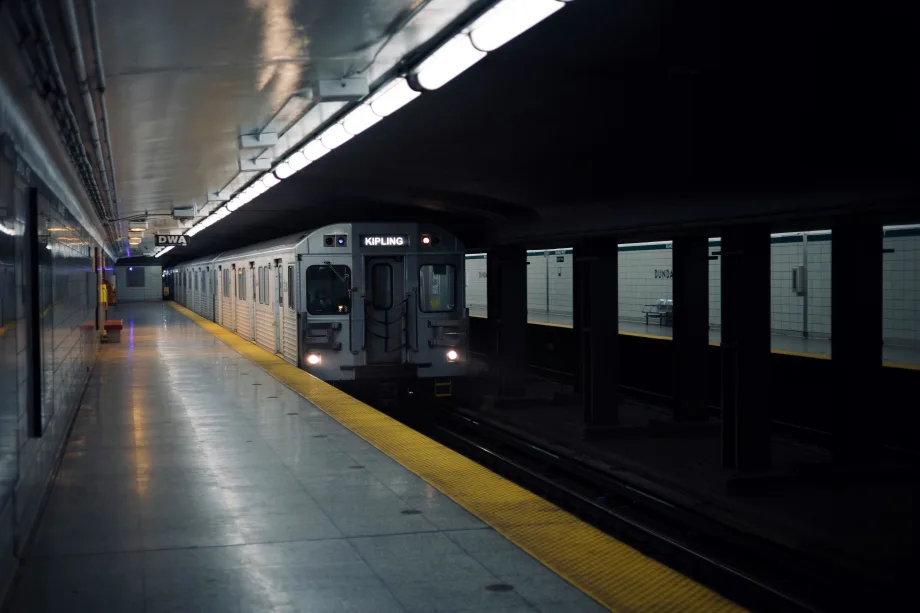
Projects are expected to progress over the next 9-15 months, culminating in recommendations and next steps for the TTC’s consideration.
Credit:
Domenik Drz
3 min to read
From AI-powered routing to real-time rail inspection, the Toronto Transit Commission (TTC) is testing new ideas that could shape the future of operations and rider experience.
The TTC and Toronto Metropolitan University (TMU) are launching five new research projects to explore “promising” concepts that could improve TTC operations, infrastructure, and customer experience.
The projects are part of a new phase in the Transit Innovation Yard, a joint initiative with the TTC, TMU, and the DMZ that aims to accelerate Canadian transit innovation.
Through the Transit Innovation Yard, the TTC is opening its system to select start-ups and academics to trial new technologies and ideas, providing the TTC with the opportunity to examine emerging solutions and pursue those with clear potential. The partnership is a part of the TTC’s broader push to build a more “innovative, future-ready transit system.”
“Toronto is home to world-class universities,” Mayor Olivia Chow said. “Through the Transit Innovation Yard partnership, we’re harnessing the incredible talent in our city to build cutting-edge, made-in-Canada solutions to transit issues here and around the world.”
Five Research Projects Aim to Advance TTC Innovation and Operations
According to a release, the five selected research projects are:
- An automated rail inspection system: Led by Dr. Farrokh Janabi-Sharifi, this project will demonstrate a compact sensing system installed beneath a TTC rail vehicle to capture high-resolution imagery of rails and nearby track infrastructure during normal movement. The system will analyze the data to identify potential defects such as cracks, missing fasteners, or debris, helping TTC teams better monitor track conditions and plan maintenance.
- A cross-device digital wayfinding solution: Led by Dr. Ali Mazalek, this project will create a proof-of-concept for in-station wayfinding kiosks. Users will be able to connect their phones to the kiosks, access route information, and share it with other contacts.
- A sustainability-focused digital twin of a TTC yard: Led by Dr. Jenn McArthur, this project will develop a digital twin of a TTC yard that visualizes energy use across major systems, such as heating, ventilation, and air conditioning (HVAC). The initial prototype will demonstrate how energy flows through the facility, highlight possible waste, and allow TTC teams to test potential energy‑reduction opportunities.
- A study of the TTC Underground Sounds Subway Musician Program: Led by Dr. Charlie Wall-Andrews, this project will study how live music influences the customer experience, rider mood, and perceived safety. The project will also look into the feasibility of musicians having an expanded safety function within select TTC stations.
- An AI engine for dynamic route optimization: Led by Dr. Sharareh Taghipour, this project will develop a prototype AI engine that dynamically optimizes routes, factoring in traffic conditions, service disruptions, and passenger demand, with the aim of improving service reliability and operational efficiency.
“As we work to modernize and transform our system, partnerships like this are essential,” said TTC CEO Mandeep S. Lali. “By connecting our operations expertise with the research excellence of TMU, we are exploring practical new solutions to real-world challenges — at no cost to the TTC.”
Projects are expected to progress over the next 9-15 months, culminating in recommendations and next steps for the TTC’s consideration.
Topics:Management
More Management

Bus Tech Talk: Keeping Transit Technicians Ahead of the Technology Curve
In this episode of Bus Tech Talk, Complete Coach Works’ Business Development Manager Mark Hollenbeck and METRO’s Executive Editor Alex Roman sit down with Obed Mejia, Senior Technical Trainer for Bus Maintenance, at LA Metro to discuss how rapidly evolving bus technology is changing the maintenance shop — and the skills technicians need to keep pace.
Read More →
Michael Schneider Joins Paslay Group to Expand Transportation Practice
The longtime transportation executive will help Paslay Group grow its advisory and program management work across transit, highway, and other infrastructure sectors.
Read More →
People Movement: Connectpoint Expands Leadership Team, Stadler Names New Group CEO, and More
In this edition, we also spotlight recent personnel moves at Burns, UZURV, and more, highlighting the people taking on new roles across the transportation industry.
Read More →
More Than a Summer Job: Building the Next Generation of Transit Talent
The Delaware River Port Authority and PATCO have transformed their internship program into a hands-on professional development experience that introduces students to the breadth of transportation careers — and creates a pipeline for future employees.
Read More →
LA Metro Board Awards 220 Battery-Electric Bus Contract to ENC
The contract, which is the largest base award of battery-electric buses by a U.S. transit agency, will be built in Southern California, sustaining good jobs as LA prepares to welcome the world in 2028
Read More →
What’s Behind San Diego MTS’s Award-Winning Transit Strategy
Named one of APTA’s 2026 Outstanding Public Transportation Systems with 50 million or more annual passenger trips, California’s San Diego Metropolitan Transit System points to gains in ridership, safety, technology, and reliability as foundations of its success.
Read More →
Public Transit Conference Returning to GFX in 2027, Call for Papers Now Open
The Call for Papers is now open, allowing transit agency professionals and industry experts to help shape the PTC educational program by submitting session ideas for consideration.
Read More →
Indian River Transit’s Community-Focused Approach Earns National Recognition
Named APTA’s 2026 Outstanding Public Transportation System in its size category, Florida’s Indian River County transit system continues to grow ridership through fare-free service and a focus on evolving community needs.
Read More →
ENC Lands MATA Contract and More in Biz Briefs
In this edition of Biz Briefs, we spotlight the latest developments shaping the future of mobility.
Read More →From Surviving to Thriving: Building Stronger Transportation Organizations
Bus Business Consultants founder Brian Dickson shares lessons on leadership, organizational health, and creating options for long-term success in a changing transportation industry.
Read More →