



NYCT switches to environmentally friendly bus coatings
Transit agency now using line of paint coatings that emits significantly lower solvent levels.
Coatings that are applied to the exteriors of transit buses and railcars are subject to governmental regulation, especially in regard to their impact on the environment. Limiting emissions of volatile organic compounds (VOC), in particular, is a key factor as transit agencies consider the types of primers and topcoats that they’ll apply to their rolling stock. The Department of Buses at New York City Transit (NYCT) recently switched to an environmentally friendly line of paints for bus exteriors manufactured by Deft Coatings Inc. Its experience with the products has been positive and is worth further explanation. Key reduction in VOC Previously, NYCT had used PPG and Dupont paint products. Before switching to Deft Coatings two years ago, the department had used Dupont’s Imron 5000 paints, according to David Chen of NYCT’s maintenance department. He said the VOC was 3.6 lbs./gallon, a relatively large concentration compared to the Deft products. NYCT began testing and evaluation of Deft’s polyester polyurethane primer and acrylic polyurethane topcoats in 2001. In late 2002, the department began applying Deft’s paints with 1.7 lbs./gallon VOC. That’s a 53% reduction in solvent emissions. In December 2003, NYCT approved Deft paints that contain 0 VOC. “In 2003, about 800 buses were painted with Deft’s 1.7 VOC and 10 buses with 0 VOC paints,” Chen said. “We expect to completely switch from 1.7 to 0 VOC Deft paints this year.” The switch to the Deft product was not based on environmental impact alone, however. “We chose the Deft paints because Deft is a 60-year-old manufacturer with a full line of high quality wood finishes as well as aerospace, industrial and military-specification coatings,” Chen said. This was not NYCT’s first experience with Deft. It has been using Deft polyurethane paints on bus interiors for about 15 years. Although it’s too early for NYCT to draw any conclusions about the long-term, on-the-street performance of the Deft products, the agency has been impressed with results of laboratory and field tests. “They show excellent performance, durability and resistance to chemicals and weatherability,” Chen said. Reduction in cost, too In addition, the 1.7 VOC Deft paints also reduced the cost of paint per bus by about 60% for the 1.7 VOC and 40% for the 0 VOC compared to the 3.6 VOC Dupont Imron 5000 products. “Most importantly, using 1.7 and 0 VOC Deft paints will allow NYCT to sharply reduce its total VOC emission,” Chen said. “This in turn permits the Department of Buses to paint more buses without violating VOC emission caps set by the New York State Department of Environmental Conservation, thus increasing overall operating efficiency.” As with all products, especially those that are new to the operation, the vendor’s customer support level plays a crucial role in the overall experience. Chen said Deft representatives have provided timely and excellent technical support. “We feel strongly that Deft representatives are extremely knowledgeable and professional in helping us achieve our goal of implementing a cost-effective and environmentally friendly painting system,” he said.
More Management
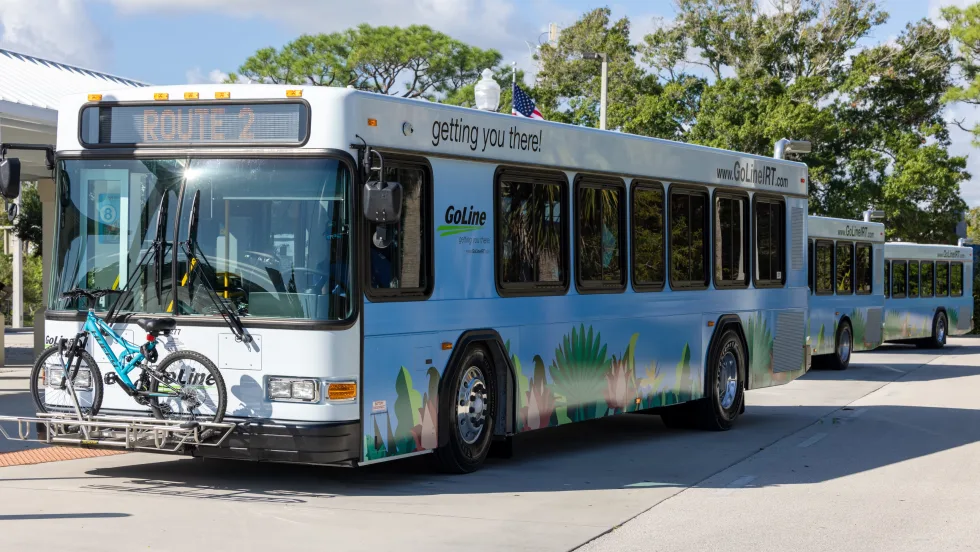
Indian River Transit’s Community-Focused Approach Earns National Recognition
Named APTA’s 2026 Outstanding Public Transportation System in its size category, Florida’s Indian River County transit system continues to grow ridership through fare-free service and a focus on evolving community needs.
Read More →
ENC Lands MATA Contract and More in Biz Briefs
In this edition of Biz Briefs, we spotlight the latest developments shaping the future of mobility.
Read More →
From Surviving to Thriving: Building Stronger Transportation Organizations
Bus Business Consultants founder Brian Dickson shares lessons on leadership, organizational health, and creating options for long-term success in a changing transportation industry.
Read More →

Everett Transit, Community Transit Outline Consolidation Agreement
The proposed agreement calls for a 50% increase in bus service in Everett, a new microtransit zone, continued paratransit service, and the transfer of Everett Transit operations to Community Transit.
Read More →
Strada360’s Steve Lassey on Turning Transit Data Into Better Decisions
From breaking down data silos to preparing for AI, Strada360 CEO Steve Lassey discusses how transit agencies can use technology to improve operations, customer information, and long-term decision-making.
Read More →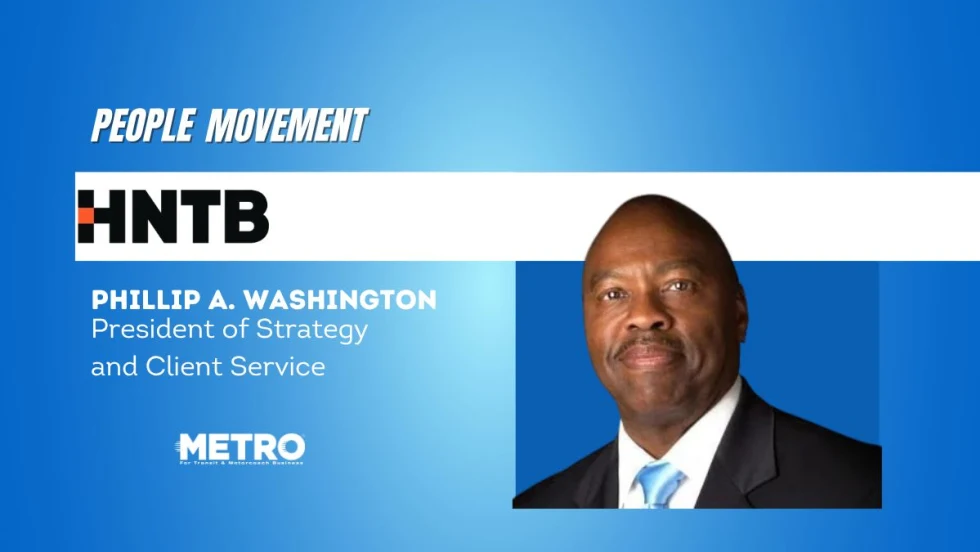
People Movement: Phil Washington Joins HNTB, Denver RTD Launches CEO Search, and More
In this edition, we also spotlight recent personnel moves at STV, the Eno Center for Transportation, and more, highlighting the people taking on new roles across the transportation industry.
Read More →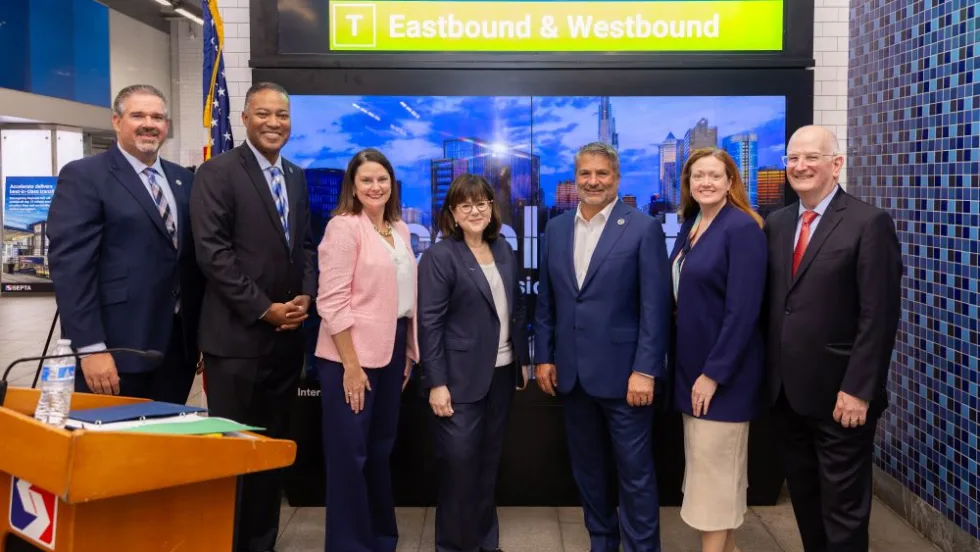
SEPTA Details Accelerate Vision for Transit System
The plan outlines investments in trolley modernization, new Metro and Regional Rail vehicles, accessible stations, and more frequent bus and rail service.
Read More →
FTA Ends Direct Oversight of MBTA Safety Actions
The federal agency closed its remaining special directive to the Massachusetts Department of Public Utilities following a safety review that began in 2022.
Read More →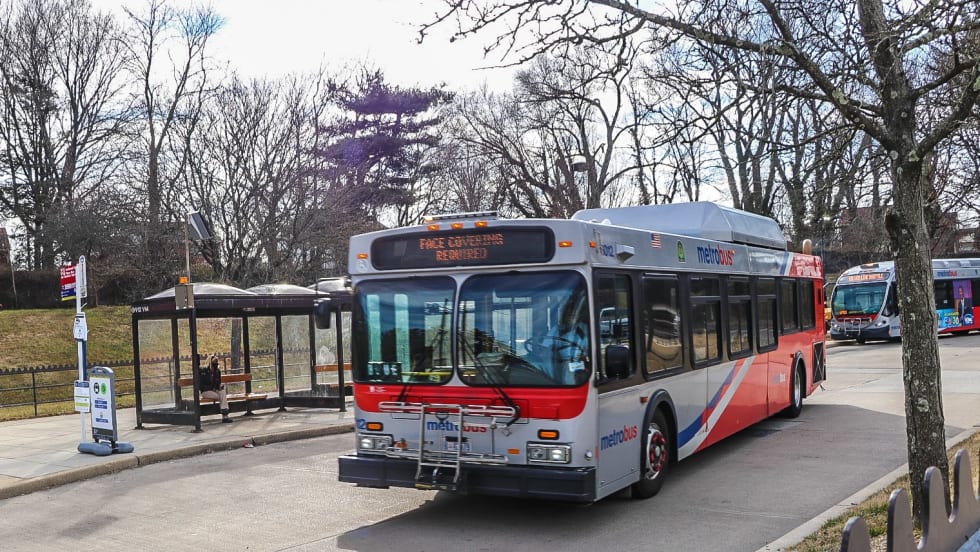
Report: Transit Bus Manufacturing Supports 34,100 Jobs, $5.1B in GDP
The “Buses Mean Business” report examines the transit bus manufacturing industry’s economic footprint, supply chain, and rising demand for vehicle replacements.
Read More →
LIT Marks 10-Year Milestone at Annual Summit
Hosted by the COTA from September 10 to 13, the Summit carried the theme “Celebrating 10 Years of Excellence, Leadership, and Impact,” with every part of the program honoring the people, agencies, and partners who built LIT over its first decade.
Read More →