



Omaha looks ahead with a retro bus fleet
The local transit property, Metro Area Transit (MAT), is refurbishing 10 buses that were retired when Richard Nixon still presided in Washington.
In Omaha, Neb., not everything old becomes new again. But discarded transit buses are a notable exception. The local transit property, Metro Area Transit (MAT), is refurbishing 10 buses that were retired when Richard Nixon still presided in Washington. These GM buses, built from 1948 to 1955, operated in Omaha and Council Bluffs, Iowa, until they were literally put out to pasture in the early 1970s. The retired buses were sold to a bus dealer and languished in a 160-acre field 50 miles north of Omaha until MAT purchased them this winter. The plan is to use these nostalgic buses to grow ridership in an ambitious downtown circulator service that was started last August. Full fleet operation is expected this summer. Affectionately called Retros, the buses will retain their original appearance both inside and out. More accurately, they are being painstakingly restored to their original appearance by MAT’s maintenance crew. Each bus will have a different color scheme designed to capture the public’s imagination. The first bus will sport a Corvette yellow body and cream roof. Raised from the dead Purchased from Sklenar Truck and Equipment, the GM 3501s and 3502s were scattered among 500 vehicles in what could be described as a graveyard for buses and cars. Their condition ranged from horrible to merely bad. But that hasn’t deterred MAT’s maintenance staff. “We’re restoring them from the ground up,” says maintenance manager Randy Steere. He has had four mechanics working on the buses since they were acquired last year. Once they’re finished with the restoration, Steere’s confident that keeping them in good running condition will be a snap. “We’ll know them pretty well because we’ll essentially have built them,” he says. The vintage nature of the buses has posed some problems. For example, some of the vehicles were cannibalized, including five that yielded their engines to farmers who bought them for irrigation systems. Finding original engines for those buses will be difficult, Steere concedes. If necessary, he’ll grudgingly use newer engines to power the 27- to 29-foot vehicles. Locating technical information about the buses has also been difficult. With some ingenuity, however, Steere found parts manuals for the 3501s and 3502s. He scoured the Internet and eventually bought the manuals for $40 each through eBay. At press time, he was still trying to procure service manuals. Many tricks of the trade Improvisation has been critical. For instance, Steere has had to build a jig to help fabricate vertical stays (the bus’ rib cage). In addition, he had to buy an English wheel to impart double curves in body paneling. But Steere estimates that doing the restoration in-house has saved at least a third of the cost of farming out the work. Although the buses are being rebuilt to look like their former selves, they will also be modernized with annunciator systems, GPS tracking units, automated fare boxes and wheelchair lifts, says MAT spokeswoman Linda Barritt. The public already has been exposed to these eye-catching, historic buses. The first Retro, old No. 671 as it’s known, was unveiled last summer, more than a year after it was purchased for $800 by Gary Ruegg, MAT’s executive director. According to lore, Ruegg saw an old bus rusting in an Iowa pasture and thought to himself: “Rebuild it and they will come.” He mentioned his vision to Steere, who contacted Bob Sklenar, owner of Sklenar Truck and Equipment. Media coverage of Ruegg’s restoration project generated about $1,800 in donations for parts. MAT’s maintenance staff donated their time to the project. When the restored bus finally tooled down Omaha’s downtown streets for the first time last summer, all the volunteer hours and financial donations were recouped. “People were stopping dead with their mouths falling open,” Barritt says, laughing. “Within minutes, a crowd had formed around the bus. Many people said they recalled riding the buses.” Funding is still uncertain Despite the public acclaim, acquiring funding for the restoration of 10 more dilapidated GM buses hasn’t been a cinch. Private donations are being solicited, but federal support is needed to bridge the gap. Funding for the restoration project is under review by the Federal Transit Administration. MAT is hoping for allocations of $150,000 per bus. Anticipation of the Retro fleet is keen, partly because the buses will add to Omaha’s ambience. Barritt says the buses already are featured in the city’s visitors guide. “Omaha is an interesting city, but we don’t have mountains or an ocean,” she says. Nostalgic buses, they will have.
More Management
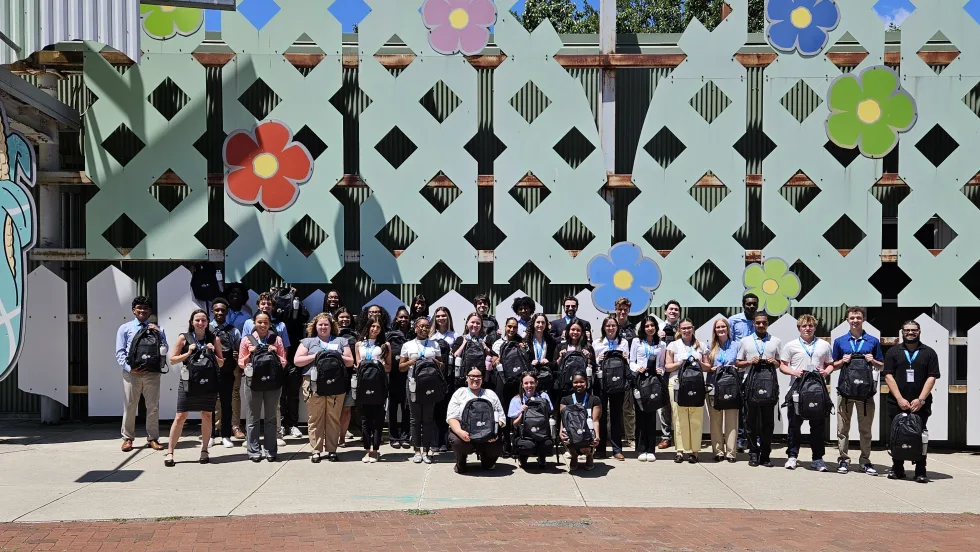
More Than a Summer Job: Building the Next Generation of Transit Talent
The Delaware River Port Authority and PATCO have transformed their internship program into a hands-on professional development experience that introduces students to the breadth of transportation careers — and creates a pipeline for future employees.
Read More →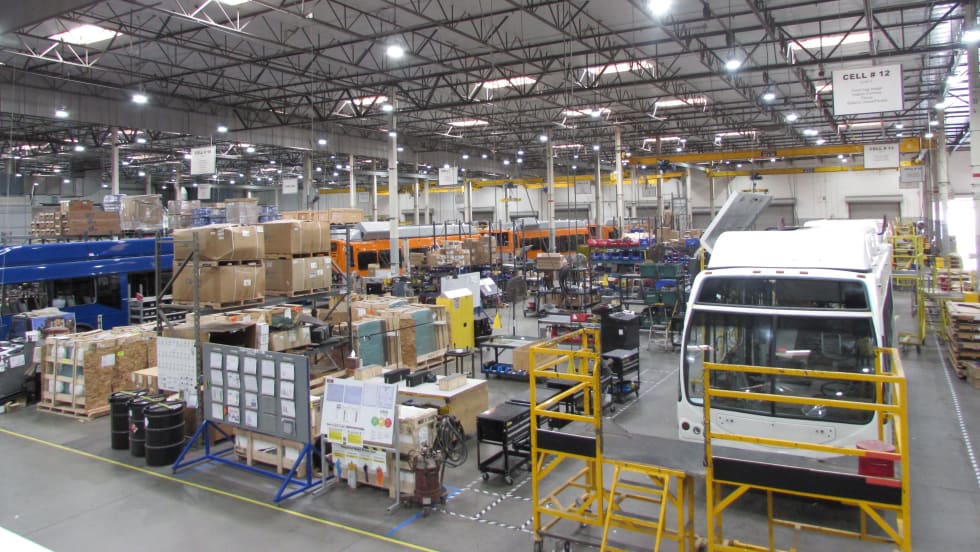
LA Metro Board Awards 220 Battery-Electric Bus Contract to ENC
The contract, which is the largest base award of battery-electric buses by a U.S. transit agency, will be built in Southern California, sustaining good jobs as LA prepares to welcome the world in 2028
Read More →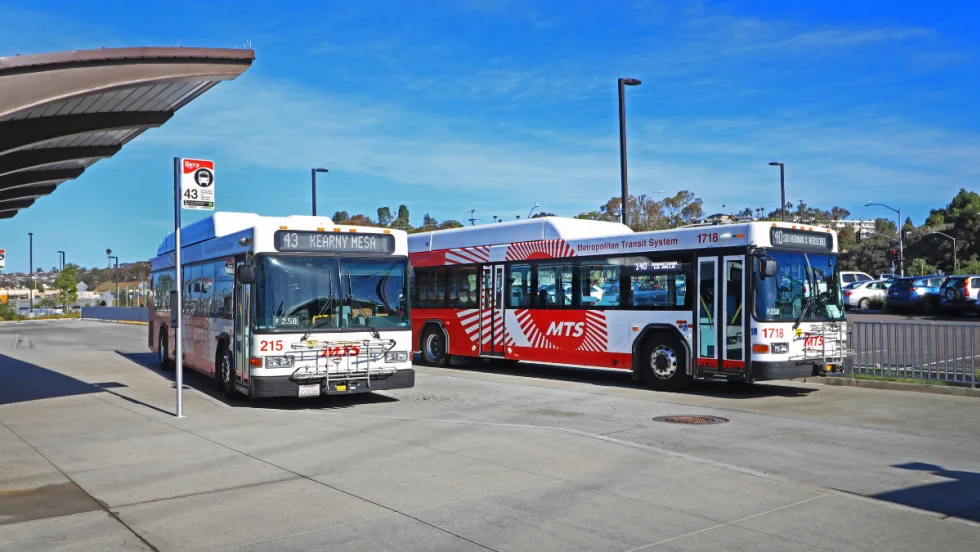
What’s Behind San Diego MTS’s Award-Winning Transit Strategy
Named one of APTA’s 2026 Outstanding Public Transportation Systems with 50 million or more annual passenger trips, California’s San Diego Metropolitan Transit System points to gains in ridership, safety, technology, and reliability as foundations of its success.
Read More →
Public Transit Conference Returning to GFX in 2027, Call for Papers Now Open
The Call for Papers is now open, allowing transit agency professionals and industry experts to help shape the PTC educational program by submitting session ideas for consideration.
Read More →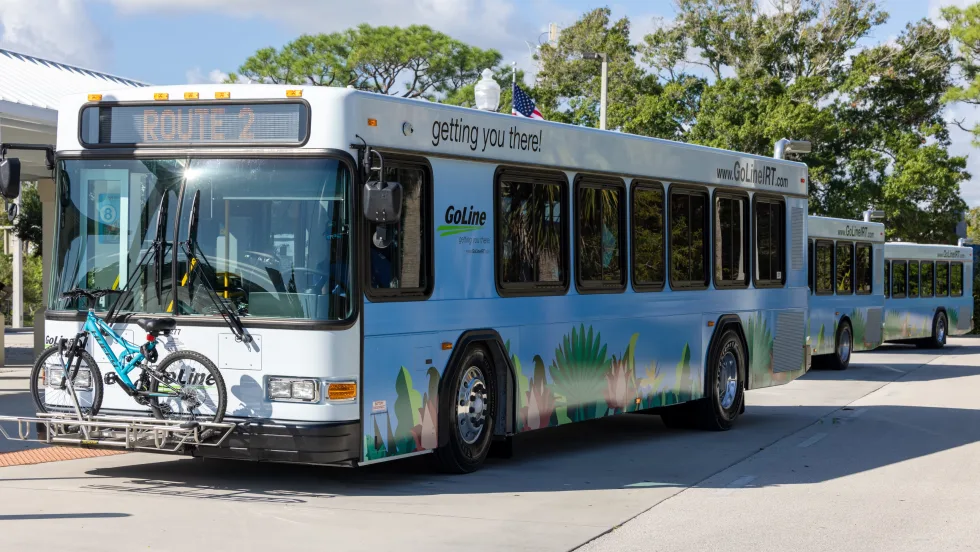
Indian River Transit’s Community-Focused Approach Earns National Recognition
Named APTA’s 2026 Outstanding Public Transportation System in its size category, Florida’s Indian River County transit system continues to grow ridership through fare-free service and a focus on evolving community needs.
Read More →
ENC Lands MATA Contract and More in Biz Briefs
In this edition of Biz Briefs, we spotlight the latest developments shaping the future of mobility.
Read More →
From Surviving to Thriving: Building Stronger Transportation Organizations
Bus Business Consultants founder Brian Dickson shares lessons on leadership, organizational health, and creating options for long-term success in a changing transportation industry.
Read More →
Everett Transit, Community Transit Outline Consolidation Agreement
The proposed agreement calls for a 50% increase in bus service in Everett, a new microtransit zone, continued paratransit service, and the transfer of Everett Transit operations to Community Transit.
Read More →
Strada360’s Steve Lassey on Turning Transit Data Into Better Decisions
From breaking down data silos to preparing for AI, Strada360 CEO Steve Lassey discusses how transit agencies can use technology to improve operations, customer information, and long-term decision-making.
Read More →
People Movement: Phil Washington Joins HNTB, Denver RTD Launches CEO Search, and More
In this edition, we also spotlight recent personnel moves at STV, the Eno Center for Transportation, and more, highlighting the people taking on new roles across the transportation industry.
Read More →