



Optimism about 2002 recovery should be backed by action
For many reasons, including, of course, the events of Sept. 11, I’m glad 2001 is behind us. But there is much work ahead this year.
For many reasons, including, of course, the events of Sept. 11, I’m glad 2001 is behind us. But there is much work ahead this year. The economic downturn that has caused so much misery for so many Americans will not disappear suddenly. The Fed’s attempts to revive the economy with a series of interest-rate cuts have been relatively ineffectual, doing little to bolster the stock market or consumer confidence. Widescale layoffs continue to be announced daily. Americans are still rattled by the terrorist attacks and are staying close to home. In the meantime, the business of moving people with buses and trains has gotten tougher, both for public agencies and those in the private sector. Motorcoach operators experienced widespread cancellations of tours and charter in the wake of Sept. 11. Hit hardest, of course, are operators in the Northeast who rely on trips to Washington, D.C., and New York City. But the sting of lost business is being felt in all areas of the United States and Canada, according to a motorcoach survey conducted by METRO. (Look for the results of the survey in the Feb./March 2002 issue.) It’s too early too tell how the spring travel season will bear out. Some operators are reporting “normal” bookings for post-winter travel, but many others are expecting continued reluctance on the part of Americans to travel by bus, rail or plane. School charter trips, especially, have been postponed or canceled as parents and school administrators exhibit perhaps undue caution. Optimism for rebound But there’s light at the end of the tunnel. As reported in Editor Steve Hirano’s story, “How the Motorcoach Industry Can Meet the Challenge of 2002,” motorcoach manufacturers are optimistic about an industry recovery. They believe the economy will revive later this year, rousing would-be travelers from their slumber and giving motorcoach operators a burst of customer activity. Well-organized and market-savvy companies will be in position to expand their operations when this restoration of confidence takes place. For those who don’t want to wait for their phones to start ringing, marketing expert Dale Bunce describes five business-building strategies in Steve’s article. There’s no time like the present to begin making connections with convention operators, hotels and resorts and corporate clients to broaden your customer base and bolster your revenue. Transit in better position On the public transit side, funding concerns are not as perilous as they are with private operators. On the federal level, TEA 21 appropriations for fiscal year 2002 are guaranteed at minimum levels and, at press time, have been approved at $6.7 billion by the House and Senate. Certainly, more federal funding would be welcomed by the transit industry (as ridership continues to expand), but TEA 21’s steady funding increases have provided a comfortable and predictable platform for investment. Transit funding from state and local governments could be squeezed, however, because of tax revenue shortfalls. Thus transit agencies should be aggressive in lobbying for their fair share of public funds. An outreach campaign that proclaims the merits of public transportation is one way to educate policymakers and communities about the importance of expanded investment. To that end, the American Public Transportation Association (APTA) has begun distributing a toolkit to help transit agencies build support for public transportation at the local level. The kit, part of APTA’s ambitious Public Transportation Partnership for Tomorrow (PT)2 initiative, contains a coalition workbook, print, radio and TV ads and other resources. It’s available only to APTA members who have financially supported the initiative. For more information, contact APTA at info@apta.com.
More Management

Bus Tech Talk: Keeping Transit Technicians Ahead of the Technology Curve
In this episode of Bus Tech Talk, Complete Coach Works’ Business Development Manager Mark Hollenbeck and METRO’s Executive Editor Alex Roman sit down with Obed Mejia, Senior Technical Trainer for Bus Maintenance, at LA Metro to discuss how rapidly evolving bus technology is changing the maintenance shop — and the skills technicians need to keep pace.
Read More →
Michael Schneider Joins Paslay Group to Expand Transportation Practice
The longtime transportation executive will help Paslay Group grow its advisory and program management work across transit, highway, and other infrastructure sectors.
Read More →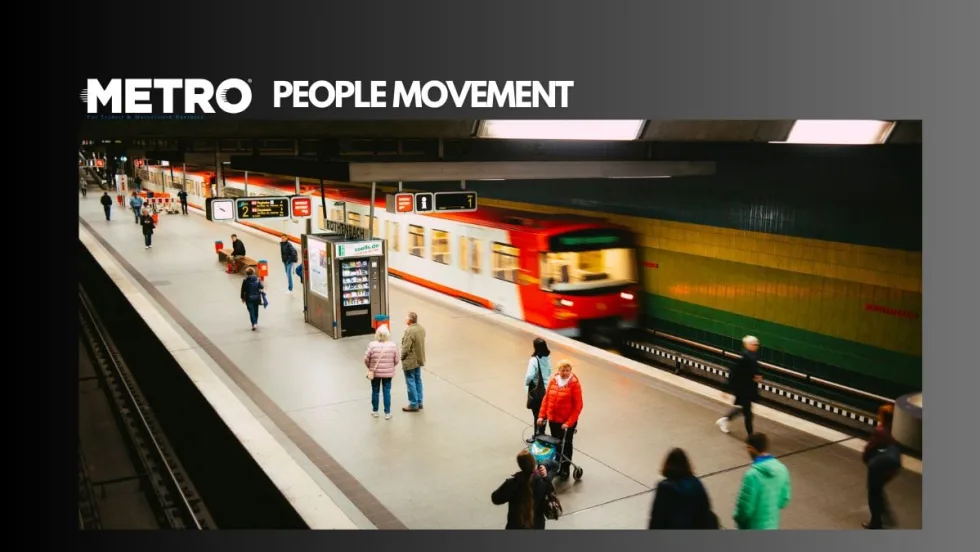
People Movement: Connectpoint Expands Leadership Team, Stadler Names New Group CEO, and More
In this edition, we also spotlight recent personnel moves at Burns, UZURV, and more, highlighting the people taking on new roles across the transportation industry.
Read More →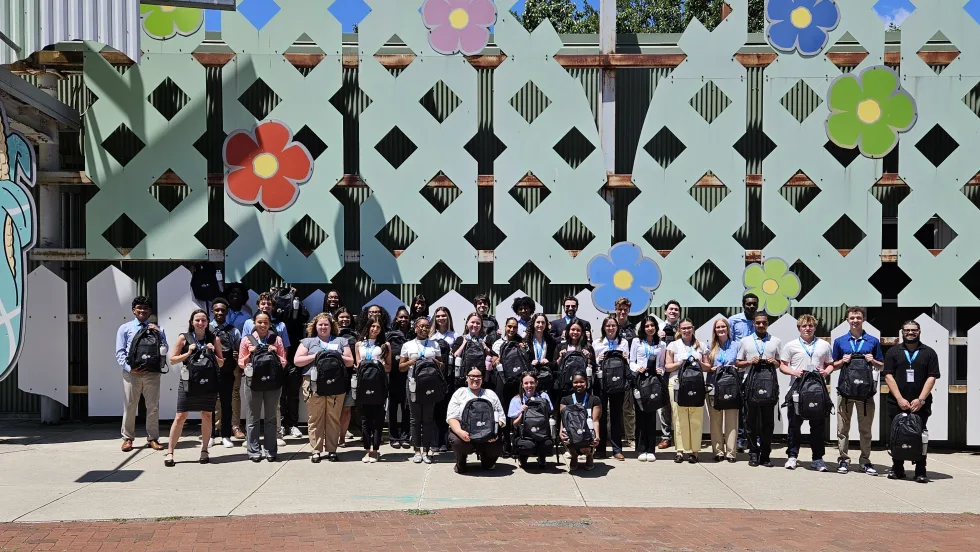
More Than a Summer Job: Building the Next Generation of Transit Talent
The Delaware River Port Authority and PATCO have transformed their internship program into a hands-on professional development experience that introduces students to the breadth of transportation careers — and creates a pipeline for future employees.
Read More →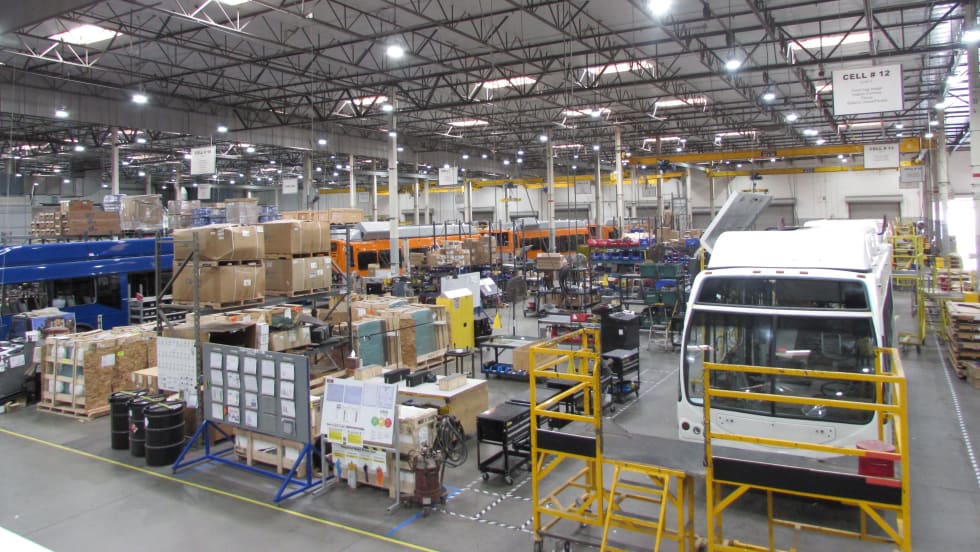
LA Metro Board Awards 220 Battery-Electric Bus Contract to ENC
The contract, which is the largest base award of battery-electric buses by a U.S. transit agency, will be built in Southern California, sustaining good jobs as LA prepares to welcome the world in 2028
Read More →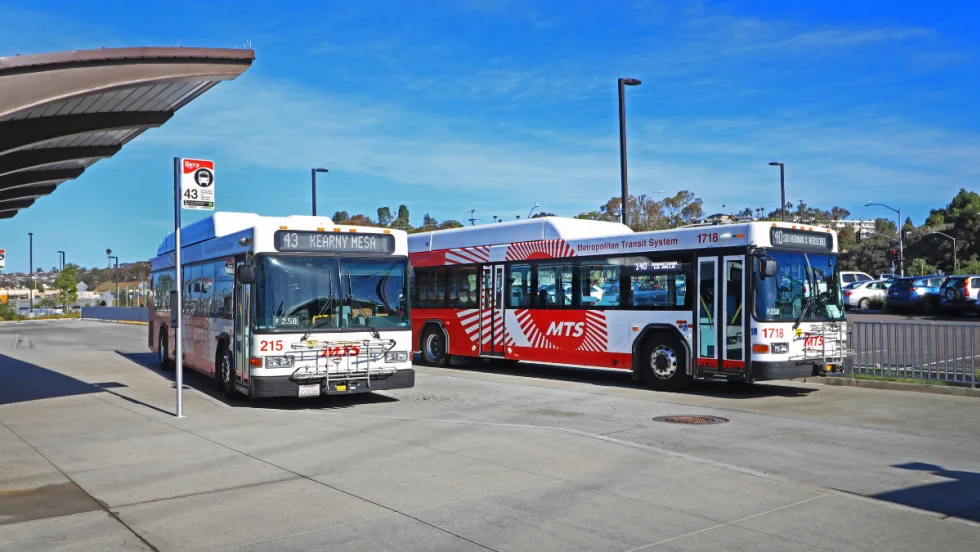
What’s Behind San Diego MTS’s Award-Winning Transit Strategy
Named one of APTA’s 2026 Outstanding Public Transportation Systems with 50 million or more annual passenger trips, California’s San Diego Metropolitan Transit System points to gains in ridership, safety, technology, and reliability as foundations of its success.
Read More →
Public Transit Conference Returning to GFX in 2027, Call for Papers Now Open
The Call for Papers is now open, allowing transit agency professionals and industry experts to help shape the PTC educational program by submitting session ideas for consideration.
Read More →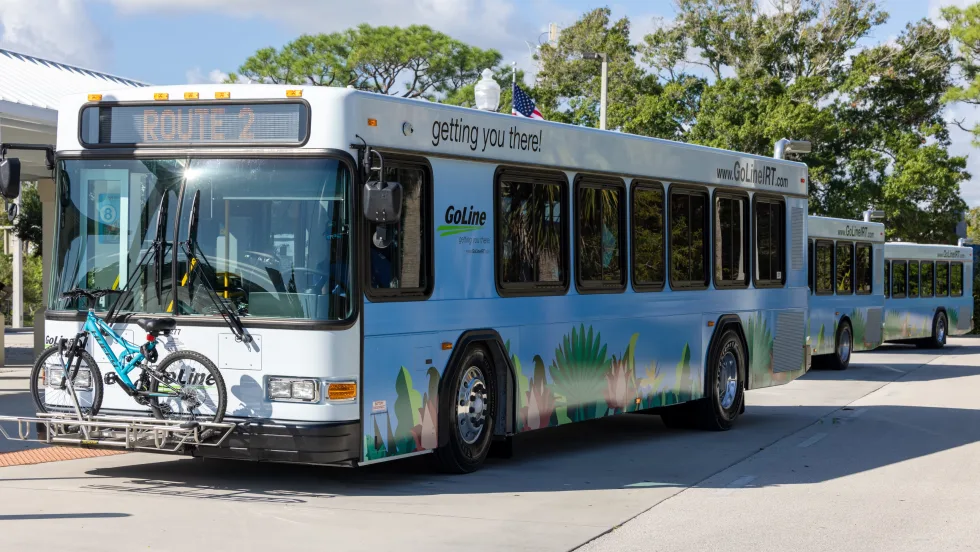
Indian River Transit’s Community-Focused Approach Earns National Recognition
Named APTA’s 2026 Outstanding Public Transportation System in its size category, Florida’s Indian River County transit system continues to grow ridership through fare-free service and a focus on evolving community needs.
Read More →
ENC Lands MATA Contract and More in Biz Briefs
In this edition of Biz Briefs, we spotlight the latest developments shaping the future of mobility.
Read More →From Surviving to Thriving: Building Stronger Transportation Organizations
Bus Business Consultants founder Brian Dickson shares lessons on leadership, organizational health, and creating options for long-term success in a changing transportation industry.
Read More →