



Plainclothes officers, station announcements used to quell handheld electronic thefts
As the popularity of handheld electronic devices such as smart phones, tablets and e-readers grows, so has the temptation for would-be thieves.
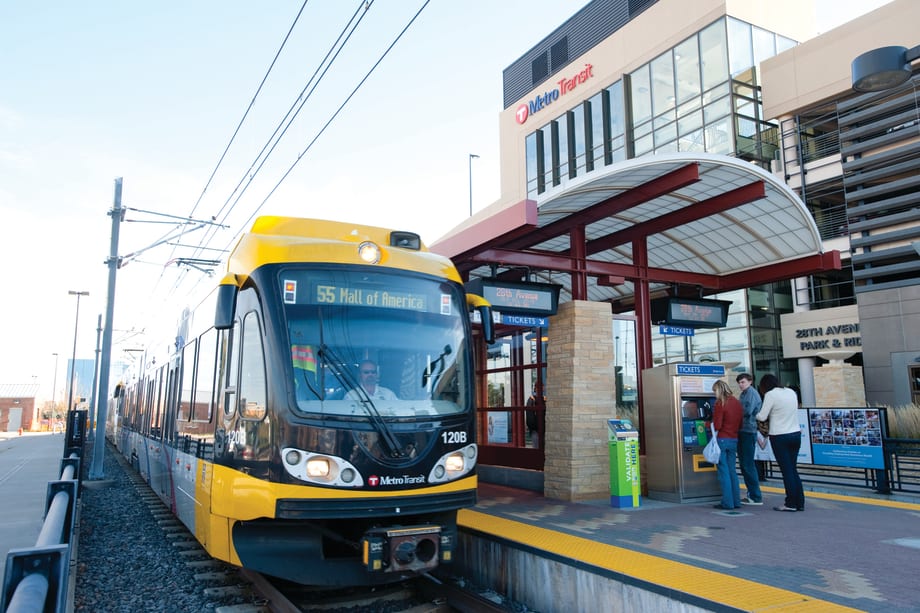
Passengers using electronic devices on public transit systems across the U.S. are increasingly becoming the target of thieves. Minneapolis-based Metro Transit partnered with the city police department to deploy joint officer details, including the use of plainclothes officers.
Passengers using electronic devices on public transit systems across the U.S. are increasingly becoming the target of thieves. Minneapolis-based Metro Transit partnered with the city police department to deploy joint officer details, including the use of plainclothes officers.
As the popularity of handheld electronic devices such as smart phones, tablets and e-readers grows, so has the temptation for would-be thieves.
Passengers using electronic devices on public transit systems across the U.S. are increasingly being targeted. The New York City Transit Authority recently reported a 17% rise in subway crime for 2011. An estimated 1,000 riders were victims of larceny, with the Apple iPhone being the most popular item stolen, according to an International Business Times report.
The Metropolitan Transportation Authority implemented announcements on its New York lines and has augmented its, "If you see something, say something" campaign to include warnings about the thefts, the Times said.
Other metropolitan transit systems have also reported an increase of electronic devices being swiped from passengers, including the Chicago Transit Authority, which reported a 23% increase in robberies in the first half of the year, mainly smart phones, according to the article.
Minneapolis-based Metro Transit is also seeing a surge in robberies of electronic devices on its Hiawatha light rail system. The transit system reported 19 thefts of this type, including iPhones, iPods and cell phones, within a month's time, beginning in late September, said Metro Transit spokesperson John Siqveland.
"We usually see those numbers in a four or five-month period," he said of the Metro Transit Police data.
"Most of the time, the thieves will act alone, and sometimes they will act in small groups," Siqveland said, adding that suspects have been male and female, of varying ages.
"Generally, what will happen is a customer will be standing at the door [of the train] with their cell phone held out in front of them. The train will pull to the stop, the doors open, the thief grabs it out of their hand and takes off running," Siqveland said.
Once Metro's Transit Police identified the trend in thefts, the department partnered with the Minneapolis Police Department to deploy joint officer details, including the use of plainclothes officers, beginning in late October to break up the activity, Siqveland said.
Because Metro Transit trains and buses are equipped with video surveillance systems, investigators are also reviewing video evidence related to incidents.
These joint details were implemented in concert with a public outreach component using platform announcements. The announcement messages vary from alerting people to the increase in thefts, how to contact the transit system with any information related to the thefts and alerting people to guard their phones more closely.
In addition, Metro Transit is posting rider alerts at station platforms and using Twitter to reach out to customers.
"We've had a campaign on our buses [related to this issue] for about two years, so this is augmenting that while we experience this spike [in thefts]," Siqveland said.
Since the campaign was bolstered to mitigate the thefts, one person was arrested through the use of video evidence, Siqveland said, adding that no incidents were reported the weekend following the police details, announcements and public outreach.
"It's looking good so far — very encouraging," he said.
More Bus

New York MTA Plans Largest Bus Fleet Upgrade in More Than a Decade
The agency is seeking manufacturers for 650 new CNG buses to replace aging vehicles, improve reliability, and advance its broader fleet modernization strategy.
Read More →
Building a Flexible Path to Transit Electrification
John Hroncich discusses BAE Systems’ modular and scalable approach, lessons learned from decades of real-world operations, and how agencies can identify electrification strategies that fit their fleets.
Read More →
Bus Tech Talk: Keeping Transit Technicians Ahead of the Technology Curve
LA Metro’s Obed Mejia discusses technician training, evolving maintenance technology, fleet replacement, and strategies for getting the most out of today’s transit fleets.
Read More →
Biz Briefs: RIPTA Unveils New Frontrunners, Clevland RTA Adds New Siemens, and More
In METRO's latest installment, we take a look at recent news from Siemens, Prevost, Dodge, and more partnerships making headlines across the transportation sector.
Read More →
People Movement: Holly Arnold Joins Transdev and More
In this edition, we also cover recent appointments and announcements at Pace, CamTran, MCI, and more, showcasing the individuals helping to shape the future of transportation.
Read More →
The High Cost of Transit Buses: Industry Leaders Look to Procurement Reform
Transit leaders and policymakers examine how standardized bus designs, streamlined procurement, and predictable funding could help agencies stretch budgets and deliver better service.
Read More →
The Business Voice Behind Public Transportation
As chair of APTA’s Business Members Board of Governors, Ray Melleady explains how more than 850 business members are partnering with transit agencies to advance funding, innovation, and industry-wide collaboration.
Read More →
From Surviving to Thriving: Building Stronger Transportation Organizations
Bus Business Consultants founder Brian Dickson shares lessons on leadership, organizational health, and creating options for long-term success in a changing transportation industry.
Read More →
Finding the ‘Happy Medium’: Optimizing Maintenance Without Sacrificing Reliability
The key to maintenance optimization isn’t doing less work—it’s doing the right work at the right time on the right assets.
Read More →
LA Metro, City of West Hollywood, and Partners Advance Smarter Bus Lane Enforcement
The award-winning partnership combines AI-powered detection with human oversight to improve bus reliability, accessibility, and enforcement efficiency.
Read More →