



Positive train control urged in NTSB report on 2002 crash
Freight-commuter train collision attributed to freight train crew's failure to act on signals.

The National Transportation Safety Board (NTSB) determined that the probable cause of the April 23, 2002, collision of a Burlington Northern Santa Fe (BNSF) freight train and a Metrolink commuter train in Placentia, Calif., was the freight train crew’s inattentiveness to the signal system and their failure to observe, recognize and act on the approach signal. Contributing to the accident was the absence of a positive train control (PTC) system that would have automatically stopped the freight train short of the stop signal. Additionally, if the BNSF conductor had been more actively involved in monitoring the signals, he may not have misidentified an approach signal as clear, the NTSB found. “This accident, which happened during rush hour on a commuter route, illustrates how each employee is responsible for safety and how implementation of new technology can save lives,” said NTSB Chair Ellen G. Engleman. As a result of the accident, there were two fatalities and 22 serious injuries. In all, 162 people were taken to the hospital. “The safety board has issued recommendations on PTC since 1969. The technology these systems provide are the best approach to reducing human-error collision,” Engleman said. Among the recommendations the NTSB issued as a result of the accident were one to BNSF to revise its signal awareness form procedure to require recording of time, speed and aspect name for all signals at the time they are encountered. The board also recommended that the American Association of Railroads report on the milestones and activities needed for completion of the interoperability standards for PTC systems and its priorities for completion of this effort. Interoperability is the capacity of a railroad’s PTC system to operate safely on other railroads. A synopsis of the Placentia rail accident investigation report, including the findings, probable cause and safety recommendations, can be found on the publication page of the NTSB’s Website at www.ntsb.gov. At press time, the complete report was not available.
More Management
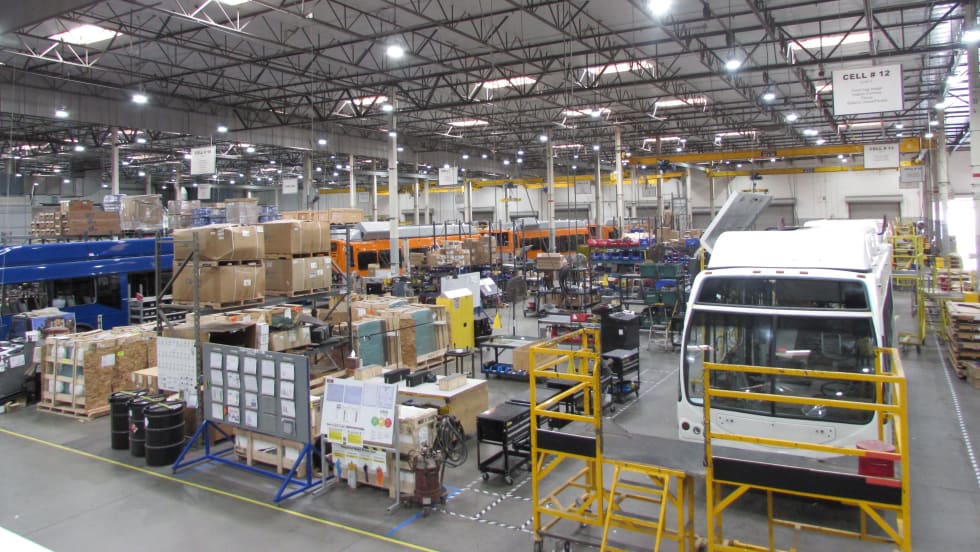
LA Metro Board Awards 220 Battery-Electric Bus Contract to ENC
The contract, which is the largest base award of battery-electric buses by a U.S. transit agency, will be built in Southern California, sustaining good jobs as LA prepares to welcome the world in 2028
Read More →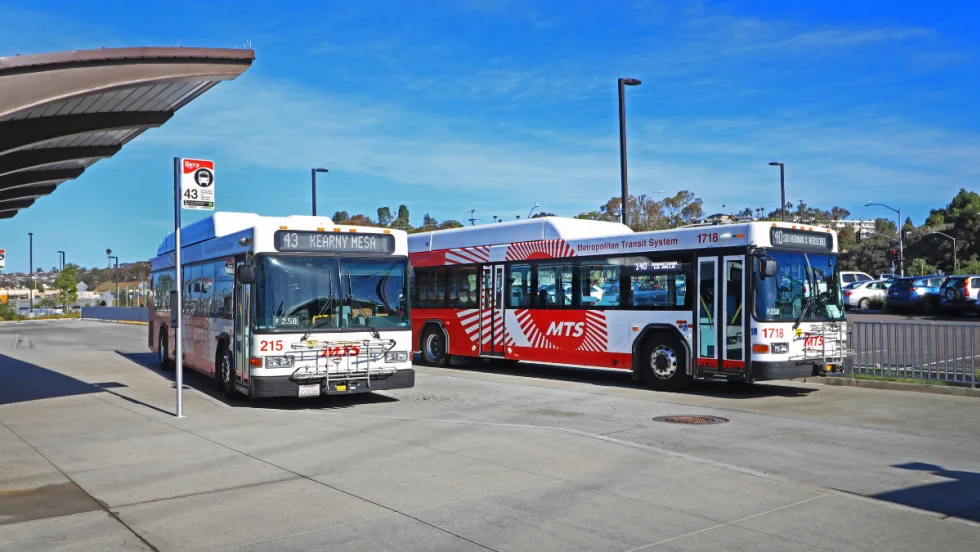
What’s Behind San Diego MTS’s Award-Winning Transit Strategy
Named one of APTA’s 2026 Outstanding Public Transportation Systems with 50 million or more annual passenger trips, California’s San Diego Metropolitan Transit System points to gains in ridership, safety, technology, and reliability as foundations of its success.
Read More →
Public Transit Conference Returning to GFX in 2027, Call for Papers Now Open
The Call for Papers is now open, allowing transit agency professionals and industry experts to help shape the PTC educational program by submitting session ideas for consideration.
Read More →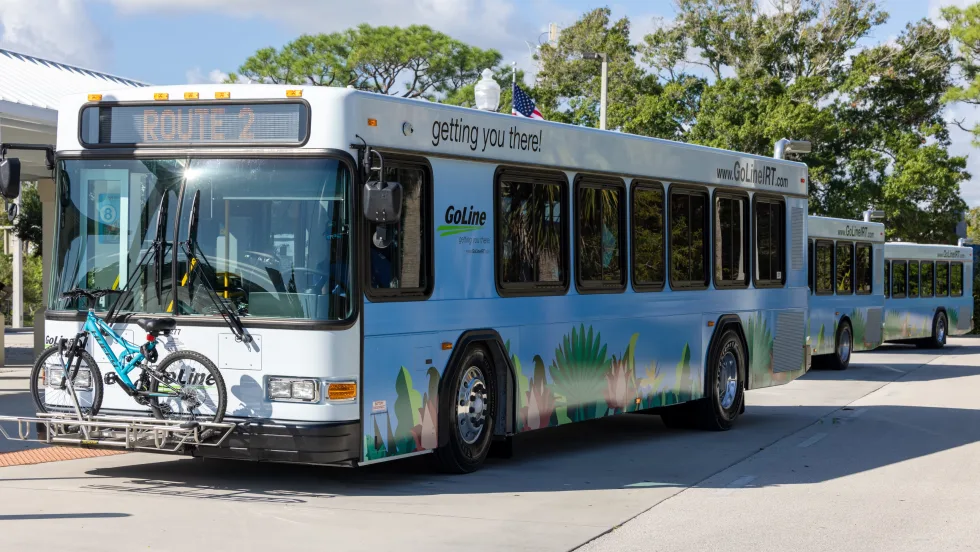
Indian River Transit’s Community-Focused Approach Earns National Recognition
Named APTA’s 2026 Outstanding Public Transportation System in its size category, Florida’s Indian River County transit system continues to grow ridership through fare-free service and a focus on evolving community needs.
Read More →
ENC Lands MATA Contract and More in Biz Briefs
In this edition of Biz Briefs, we spotlight the latest developments shaping the future of mobility.
Read More →
From Surviving to Thriving: Building Stronger Transportation Organizations
Bus Business Consultants founder Brian Dickson shares lessons on leadership, organizational health, and creating options for long-term success in a changing transportation industry.
Read More →
Everett Transit, Community Transit Outline Consolidation Agreement
The proposed agreement calls for a 50% increase in bus service in Everett, a new microtransit zone, continued paratransit service, and the transfer of Everett Transit operations to Community Transit.
Read More →
Strada360’s Steve Lassey on Turning Transit Data Into Better Decisions
From breaking down data silos to preparing for AI, Strada360 CEO Steve Lassey discusses how transit agencies can use technology to improve operations, customer information, and long-term decision-making.
Read More →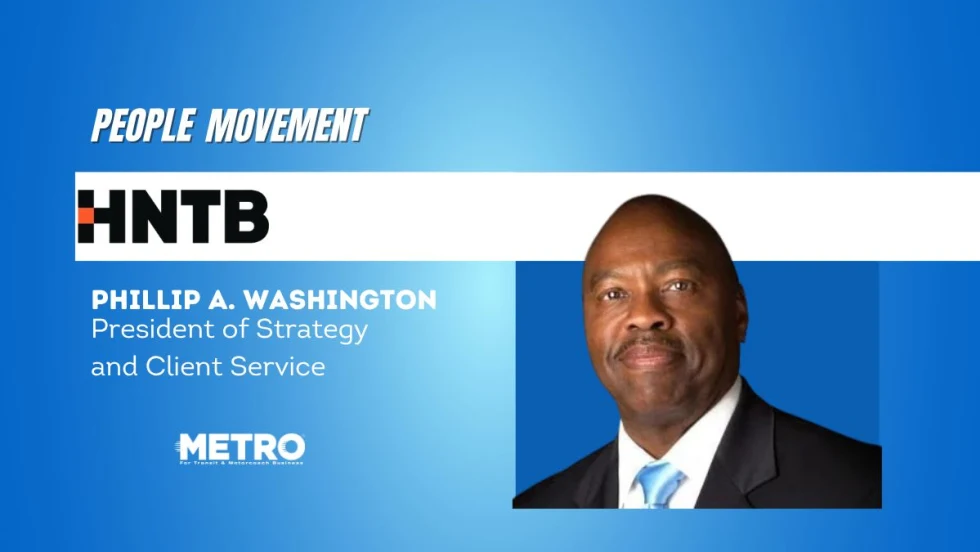
People Movement: Phil Washington Joins HNTB, Denver RTD Launches CEO Search, and More
In this edition, we also spotlight recent personnel moves at STV, the Eno Center for Transportation, and more, highlighting the people taking on new roles across the transportation industry.
Read More →
SEPTA Details Accelerate Vision for Transit System
The plan outlines investments in trolley modernization, new Metro and Regional Rail vehicles, accessible stations, and more frequent bus and rail service.
Read More →