



PPP: What works — and doesn't
A look at what PPPs are and what does and doesn't work.
Because public-private partnerships (PPPs) have become such a buzz term of late, let’s take a closer look at what they are, what works and what is less likely to be successful, particularly for U.S. rail transit applications.
The term is really an umbrella, covering a range of techniques including private participation in the finance of projects, (bonding is a common example) the operation of systems under a contract or an arrangement more like what is used abroad, a concession where the private entity, typically a consortium of banks, suppliers, contractors, consulting firms and contract operators, does the job under shared risk for a fixed term. These are typically decades in length, with an option to renew the concession agreement based on mutual satisfaction.
Abroad: rhetoric, reality
PPPs outside the U.S. represent the rule rather than the exception regarding project delivery. In the United Kingdom, for example, the light rail systems in Manchester, Sheffield and Croydon were built and continue to be operated this way, as does the metro in Birmingham. This is not to say that PPPs there are a panacea — just ask Londoners. Reams of copy in the newspapers have been written about the dissatisfaction with the two mammoth PPP contracts signed to upgrade the London Underground.
Nor is it a panacea in Asia. While PPPs have designed and built virtually every new light rail and heavy rail line in the past half century, there are also examples of shortcomings. Bangkok’s Skytrain is one. The consortium hired there could not imagine that it was going to be built and just about to open in one of the world’s worst financial panics, requiring a sizable loan guarantee by the German government.
By and large, though, PPPs do save governments considerable sums of money and help to deliver projects much faster with less cost to taxpayers than entirely government-managed projects. The trick is to find contractual arrangements that manage risk on both sides as well as incentivize what both government and the private sector do best.
In the U.S.: equally mixed
The recent and historical record of the public and private sectors working together has been equally complex in this country. It has a long past. After all, the New York City subway was a publicly commissioned project built by private companies.
In recent times, a variety of public-private projects were undertaken with the FTA’s Turnkey Demonstration Program a few years ago. Most of them were simply consortia that tested design-build or design-build-operate-maintain contracting methods, but a few had a financing component from the private sector as well.
Critics of the projects point out that some did not realize the projected savings from this project delivery method. However, most of the criticism was focused on San Juan’s Tren Urbano project, which underwent expensive design changes — something that turnkey simply is unable to accommodate on the cheap — and because it was not simply one turnkey project but a series of turnkey projects overseen by another PPP. The rest in the FTA program did well, as do virtually all airport peoplemover projects and many of the most recent BRT and rail projects built with some form of turnkey or PPP.
One area of PPPs that could use an increase in this country is a concession approach that allows more private financial participation. It is at least partly how most public transport projects are financed outside the country. An area of promise is joint highway-transit programs that use toll financing, such as San Diego’s Managed Lanes Project or the Fastracks program in Denver. Houston’s five-corridor BRT and LRT expansion is also to be financed in part by shared development revenues and delivered and operated in a PPP, so it, too, is worth watching.
In short, PPPs are not a universal cure, but with the right structure and shared-risk arrangement, they do offer an opportunity to close the widening gap between the public’s demand for more public transportation and the government’s willingness to pay for it.
More Rail
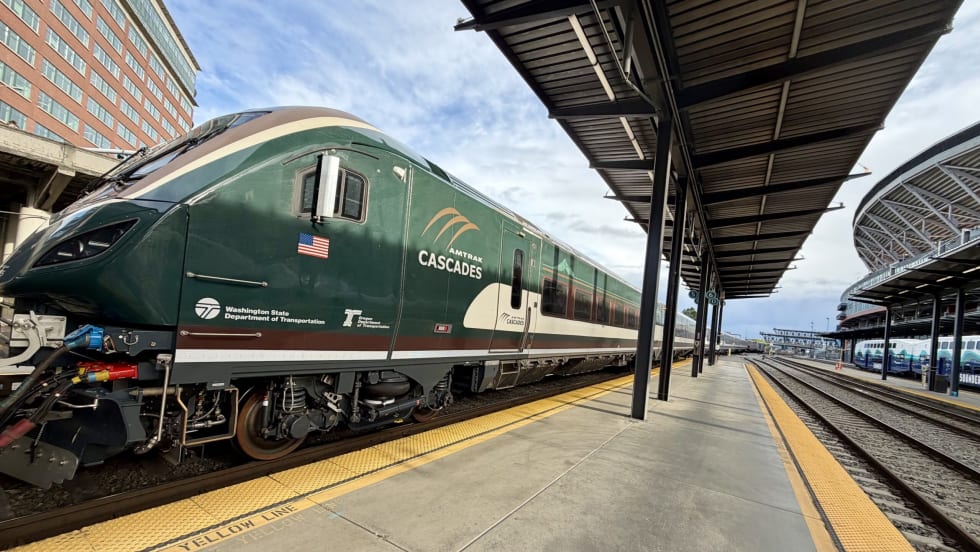
FRA Announces $5.3B in Rail Investments, Including $2B for Amtrak
Funding will support grade-crossing improvements, infrastructure upgrades, and new Amtrak equipment in 23 states.
Read More →
Finding the ‘Happy Medium’: Optimizing Maintenance Without Sacrificing Reliability
The key to maintenance optimization isn’t doing less work—it’s doing the right work at the right time on the right assets.
Read More →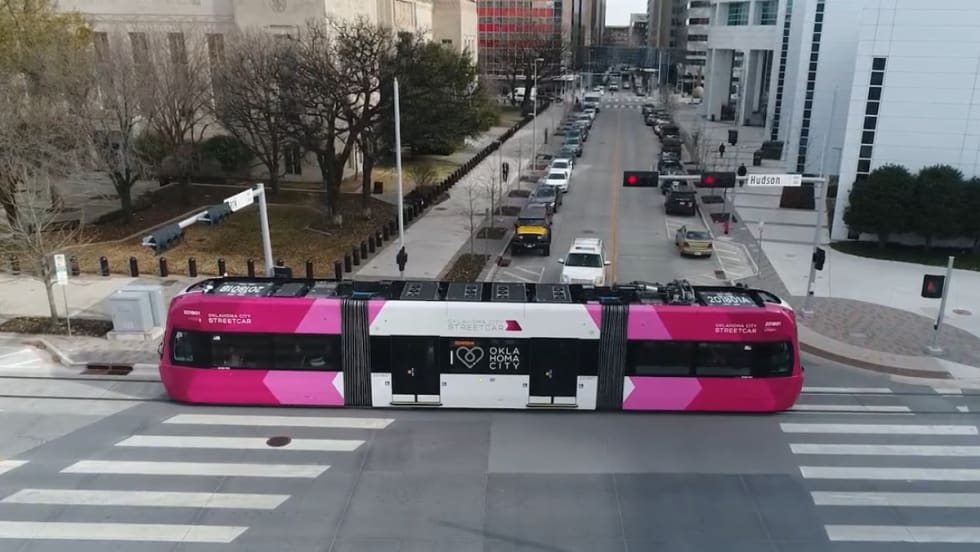
OKC Streetcar Makes Zero-Fare Service Permanent
Ridership increased an average of 71% compared with the same period a year earlier during the fare-free pilot.
Read More →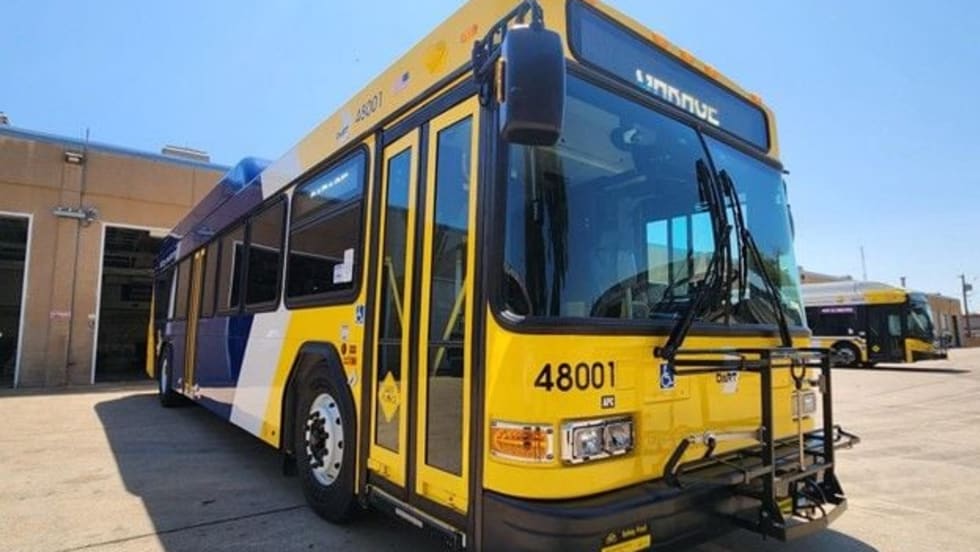
DART Customer Satisfaction Reaches Six-Year High
Overall satisfaction rose to 74.9%, while the agency’s Net Promoter Score reached a record 33.7.
Read More →
How DART's GoPass Is Redefining Regional Mobility
Serving 14 transit agencies, GoPass simplifies multimodal travel by allowing riders to plan, pay for, and manage an entire trip through one app.
Read More →
Amtrak Board Advances Plan to Restructure Organization, Seeks Public Input
The proposal, developed by Amtrak management and approved by the board for further consideration, is intended to modernize the organization's structure while improving accountability, operational efficiency, and customer service.
Read More →
Biz Briefs: STV teams with Amtrak, Motorcoach Operators Boost Fleet and Land Contracts, and More
From manufacturers and suppliers to transit agencies and motorcoach operators, these updates offer a snapshot of the projects, partnerships and business moves driving the industry forward.
Read More →
Metra Celebrates 100 Years of Electric Rail, Looks to the Future
The event was also a celebration of recent reforms to public transportation in the Chicago area, changes that could be as transformative in the future as the major civic achievement a century ago, said officials.
Read More →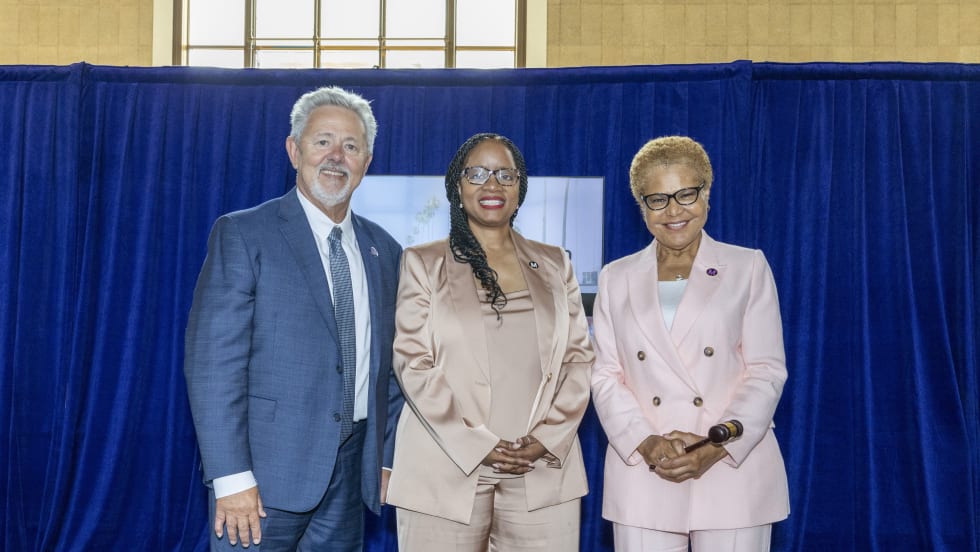
LA Metro Marks Banner Year, Sets Ambitious Goals for New Fiscal Year
Incoming LA Metro Board Chair and Los Angeles Mayor Karen Bass joined outgoing Board Chair Fernando Dutra and LA Metro CEO Stephanie Wiggins to review accomplishments from fiscal year 2026, which included the opening of new rail extensions, advancement of major transit projects, expanded safety programs, and new rider amenities.
Read More →
DART Taps Nathaniel P. Ford Sr. as Next President/CEO
Since 2012, Ford has served as the CEO of the Jacksonville Transportation Authority
Read More →