



Putting road calls into proper perspective
Road calls, or service runs as they are sometimes referred to, are defined in different ways depending on who is responding to them.
Road calls, or service runs as they are sometimes referred to, are defined in different ways depending on who is responding to them. A road call occurs when a bus breaks down in service, requiring immediate service. It’s the mechanic’s equivalent of a doctor’s house call. For mechanics, road calls can be a welcome outing from the shop, especially if they interrupt a diffi-cult task. For supervisors and managers, road calls can be a nightmare. On especially busy days, road calls take mechanics from the shop and most always require extra equipment. Retrieval of buses on the road can be very expensive since some coaches have planetary rear axles and cannot be towed. These vehicles require loading on flatbed trucks for retrieval. From the mechanic’s point of view, the definition I would use for road calls would be “the costly endeavor of retrieving or repairing broken down equipment.” Gauge of efficiency? Road calls should not be used to measure shop efficiency unless negligence is evident. Sometimes, intermittent problems can almost be impossible to find and you will have repeated road calls for the same problem on the same coach. This tends to drive everyone crazy. The mechanics can’t identify the problem because by the time the bus gets back to the shop, everything is working. Where do you look and what do you look for? One thing that might help is to get more than one set of eyes looking for the same problem. Maybe other mechanics have experienced the same problem in the past. At the Transit Authority of River City (TARC), everyone works well together to solve these kinds of problems. They often require, and respond to, a team effort. Product reliability can be measured somewhat by the number of road calls. If you have recurring road calls for the same problem but on different buses, it might be cost effective to check each vehicle for this problem before putting it in service. If this can’t be done because of limited equipment, then try checking a few each day until the whole fleet has been evaluated. Bus availability is the lifeblood of the transit industry, and coaches cannot always be taken out of service with an intermittent problem. At TARC, we use 10 different road call categories: air conditioning, body, wheelchair lift/ramp, dirty coach, engine, electrical, transmission, radio, tires and transportation. Drivers play key role Road calls are charged to the maintenance department in these categories. However, if the specific road call problem is not found when checked by the mechanic, the call is charged to the transportation department as driver error. For example, let’s say the trouble reported is “wheelchair lift stuck out and will not retract.” The mechanic goes out and finds the lift stuck out on the curb. This road call would be charged to the transportation department as driver error. Another example of driver error that would be charged to the transportation department is a bus that won’t move because it has been running with the rear door brakes set up, causing the rear door solenoid to get hot and not release the rear brakes. While these examples are not the only ones that will cause driver error problems charged to the transportation department, they seem to be the most common. Weather also plays role Miles between road calls are significantly affected by the type of weather in your area. Extremely hot or cold weather usually shortens the miles between road calls. February 2003 was an extremely cold month in Louisville. Road calls increased 5.8% from 223 in February 2002 to 236 in February 2003. Miles between road calls decreased by 6% from 2,613 in February 2002 to 2,454 in February 2003. During this period, both preventable and non-preventable accidents increased. This was also due to cold and icy conditions.
More Management

More Than a Summer Job: Building the Next Generation of Transit Talent
The Delaware River Port Authority and PATCO have transformed their internship program into a hands-on professional development experience that introduces students to the breadth of transportation careers — and creates a pipeline for future employees.
Read More →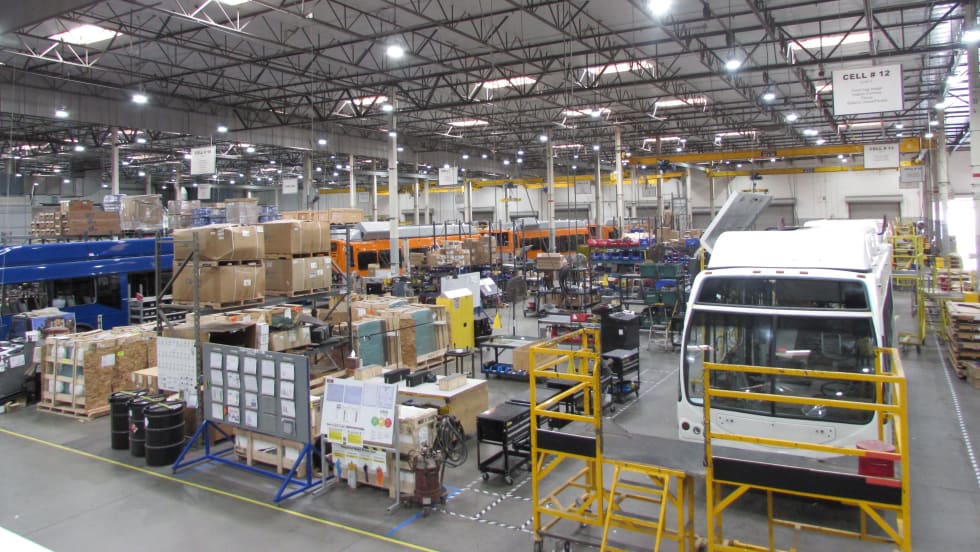
LA Metro Board Awards 220 Battery-Electric Bus Contract to ENC
The contract, which is the largest base award of battery-electric buses by a U.S. transit agency, will be built in Southern California, sustaining good jobs as LA prepares to welcome the world in 2028
Read More →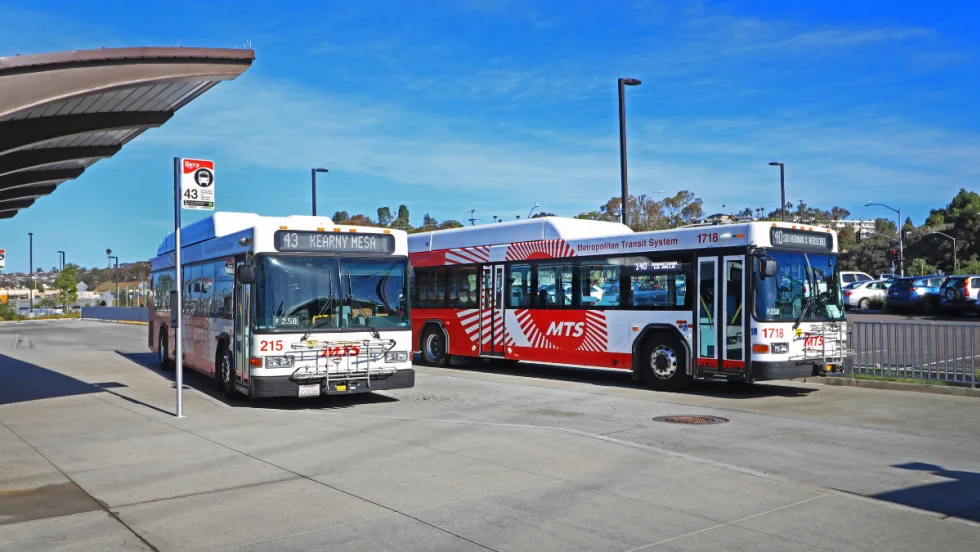
What’s Behind San Diego MTS’s Award-Winning Transit Strategy
Named one of APTA’s 2026 Outstanding Public Transportation Systems with 50 million or more annual passenger trips, California’s San Diego Metropolitan Transit System points to gains in ridership, safety, technology, and reliability as foundations of its success.
Read More →
Public Transit Conference Returning to GFX in 2027, Call for Papers Now Open
The Call for Papers is now open, allowing transit agency professionals and industry experts to help shape the PTC educational program by submitting session ideas for consideration.
Read More →
Indian River Transit’s Community-Focused Approach Earns National Recognition
Named APTA’s 2026 Outstanding Public Transportation System in its size category, Florida’s Indian River County transit system continues to grow ridership through fare-free service and a focus on evolving community needs.
Read More →
ENC Lands MATA Contract and More in Biz Briefs
In this edition of Biz Briefs, we spotlight the latest developments shaping the future of mobility.
Read More →
From Surviving to Thriving: Building Stronger Transportation Organizations
Bus Business Consultants founder Brian Dickson shares lessons on leadership, organizational health, and creating options for long-term success in a changing transportation industry.
Read More →
Everett Transit, Community Transit Outline Consolidation Agreement
The proposed agreement calls for a 50% increase in bus service in Everett, a new microtransit zone, continued paratransit service, and the transfer of Everett Transit operations to Community Transit.
Read More →
Strada360’s Steve Lassey on Turning Transit Data Into Better Decisions
From breaking down data silos to preparing for AI, Strada360 CEO Steve Lassey discusses how transit agencies can use technology to improve operations, customer information, and long-term decision-making.
Read More →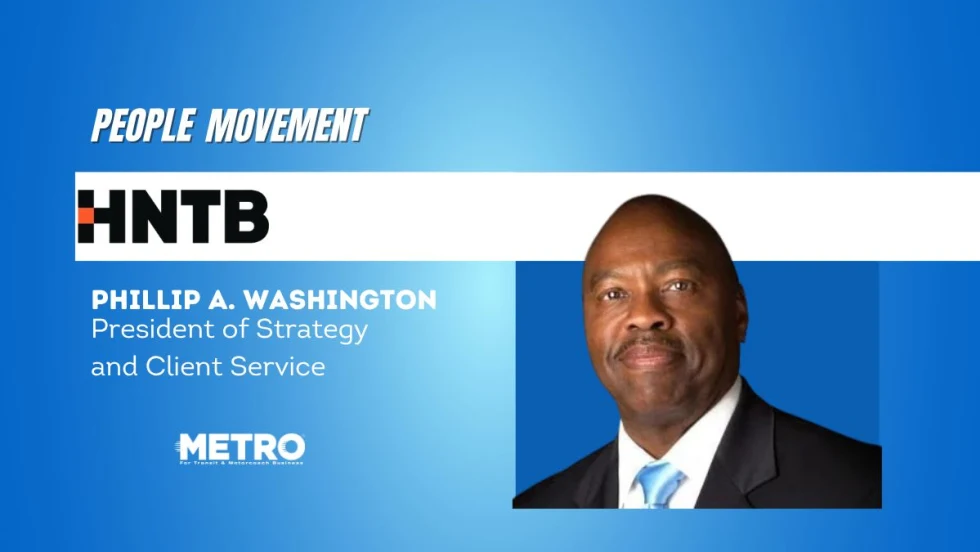
People Movement: Phil Washington Joins HNTB, Denver RTD Launches CEO Search, and More
In this edition, we also spotlight recent personnel moves at STV, the Eno Center for Transportation, and more, highlighting the people taking on new roles across the transportation industry.
Read More →