



Putting TOD to work has multiple payoffs
Commuting by bus or rail can be the best alternative, if you have easy access to a bus stop or rail station, if the route is relatively direct and if the service is reliable.
Six hours. Six. That’s how long it took Tiger Woods to get through 18 holes during a recent PGA tournament. As any golfer knows, that’s an excruciatingly slow round, especially since the vast majority of your time is spent waiting. Being stuck in your car in bumper-to-bumper traffic on the freeway has just about the same appeal as playing a six-hour round of golf on a Sunday afternoon. The difference is that many commuters fight rush-hour gridlock twice a day, five days a week. There are alternatives to the dreaded weekday commute. Carpooling can help to lighten the load, especially if you enjoy the company of your partner(s) and if there are designated lanes for high-occupancy vehicles. Telecommuting makes sense if you don’t need to be present in the workplace, but companies have not widely embraced this option. Moving closer to your office is another solution, but not always a feasible one. The TOD alternative As you might have already guessed, I’ve still got one more alternative: public transportation. Commuting by bus or rail can be the best alternative, if you have easy access to a bus stop or rail station, if the route is relatively direct and if the service is reliable. The growth of transit-oriented development (TOD) will help to expand the number of people who can effectively use public transportation to get to work and back. As Editor Steve Hirano points out in his article, “Hot Projects Highlight Rising Trend in Transit-Oriented Development," TOD is expanding housing availability as well as encouraging retail and office development along passenger rail corridors around the country. Some of these TOD projects have seen the construction of hundreds of dwelling units on transit-owned property. Not only does this development reduce sprawl but it also energizes the community, supporting local vendors and enhancing the tax base. In addition, “transit villages” built on transit-adjacent private property are springing up in major cities, helping to reduce traffic congestion and, in some cases, provide affordable housing to families that don’t own cars. Transit authorities, eager to supplement their base of regular customers, are working closely with city and regional officials to promote the development of these housing tracts. Corporate support grows Many companies are taking innovative steps to make public transportation part of their corporate culture. For example, BellSouth is consolidating nearly 75 Atlanta-area offices into just three business centers, all strategically located along rail lines operated by the Metropolitan Atlanta Rapid Transit Authority (MARTA). BellSouth also created incentives for its employees to use public transportation, including the construction of four satellite parking lots at MARTA stations that will be dedicated to employees. And it’s not just rail that’s seeing transit-oriented development. In Ottawa, the success of a bus rapid transit (BRT) program has spurred transit-supportive development along the corridor. It’s only a matter of time before BRT programs in the U.S. achieve the sense of permanance that TOD requires. All of these types of developments are critical to what the industry calls smart growth. It’s smart because it takes best advantage of the public’s investment in mass transportation and alleviates the congestion on America’s highways. It’s smart because it can revitalize communities and showcase the advantages of public transportation. Now if we could just figure out a solution to slow play on the golf course. . .
More Management
People Movement: ABC Names John Walsh as Chief Commercial Officer
In this edition, METRO also covers recent appointments and announcements at the DART, STV, and more, showcasing the individuals helping to shape the future of transportation.
Read More →
From Surviving to Thriving: Building Stronger Transportation Organizations
Bus Business Consultants founder Brian Dickson shares lessons on leadership, organizational health, and creating options for long-term success in a changing transportation industry.
Read More →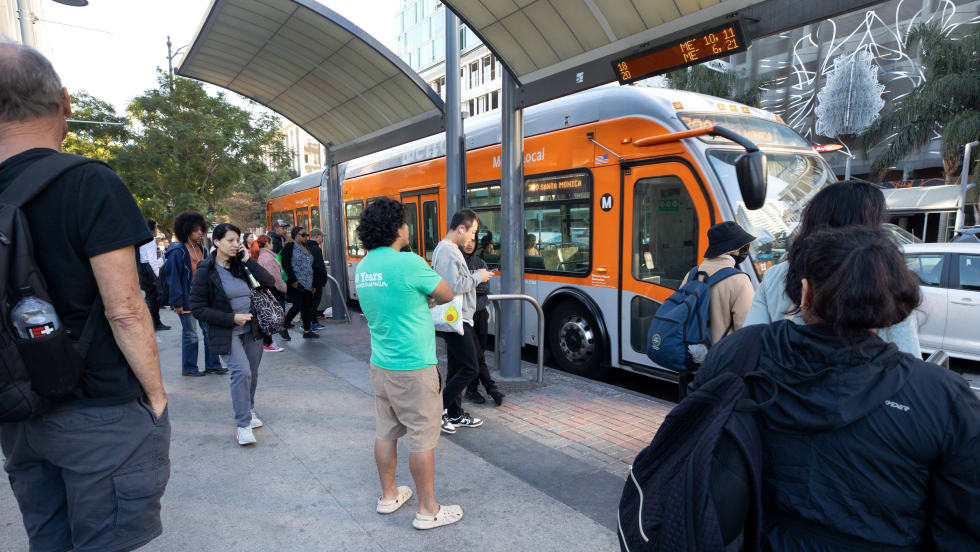
LA Metro Ridership Continues Growth as Rail Gains Accelerate
New rail connections and major events help drive continued ridership gains, with Metro recording its eighth consecutive month of year-over-year rail growth.
Read More →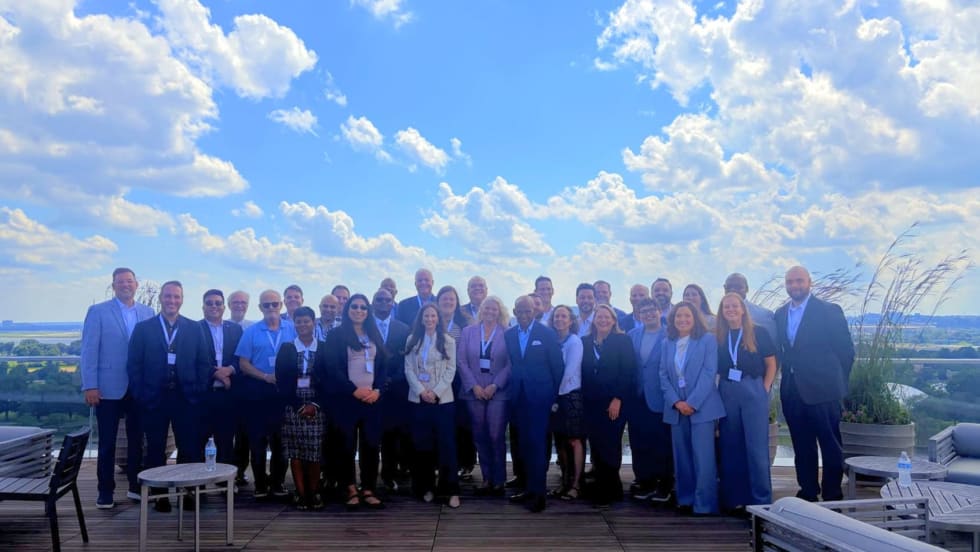
TransDASH Summit Focuses on Measuring What Matters in Transit
Transit agencies unveil a national performance platform designed to benchmark customer experience, safety, community value, and other outcomes.
Read More →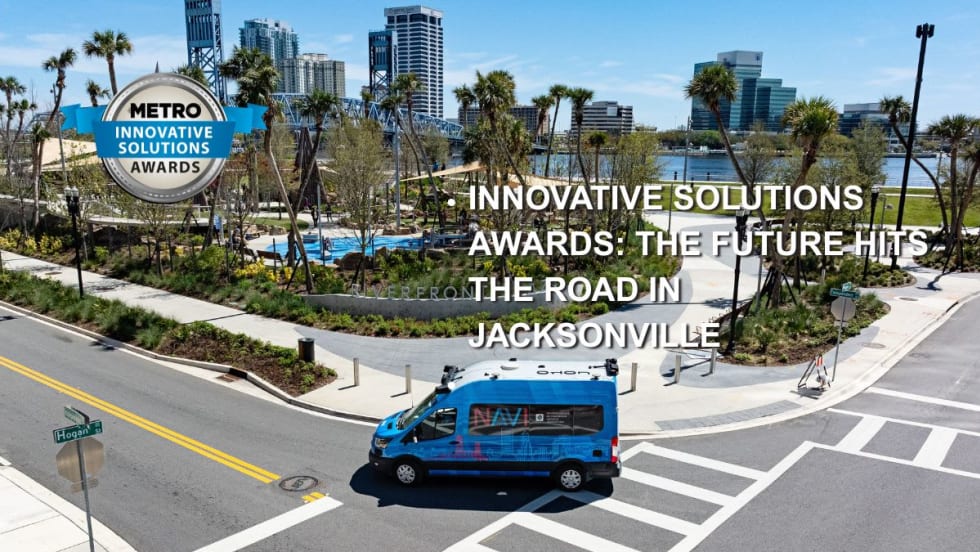
Jacksonville’s NAVI Project Charts a New Course for Autonomous Public Transportation
Through its NAVI program, JTA is showing how autonomous vehicles, intelligent infrastructure, and coordinated operations can work together to deliver everyday public transportation.
Read More →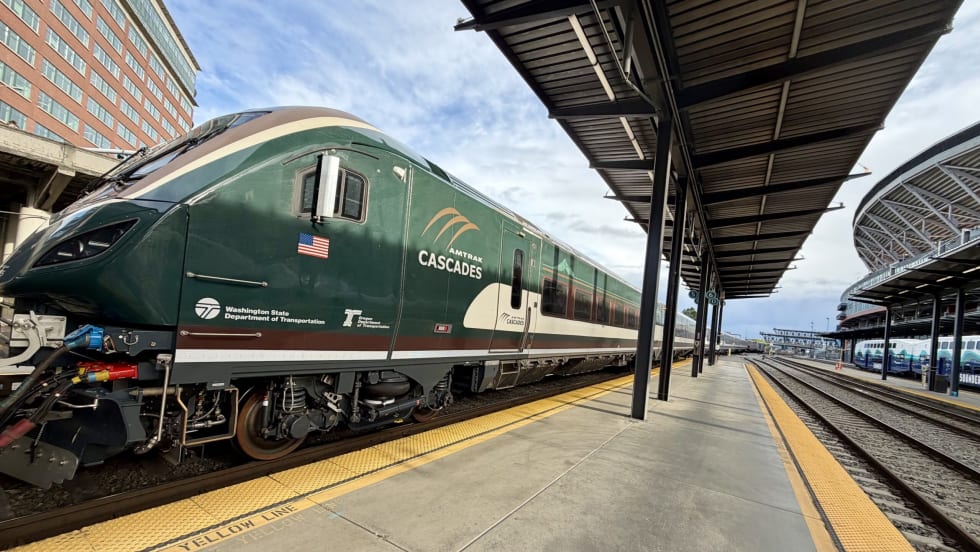
FRA Announces $5.3B in Rail Investments, Including $2B for Amtrak
Funding will support grade-crossing improvements, infrastructure upgrades, and new Amtrak equipment in 23 states.
Read More →
Finding the ‘Happy Medium’: Optimizing Maintenance Without Sacrificing Reliability
The key to maintenance optimization isn’t doing less work—it’s doing the right work at the right time on the right assets.
Read More →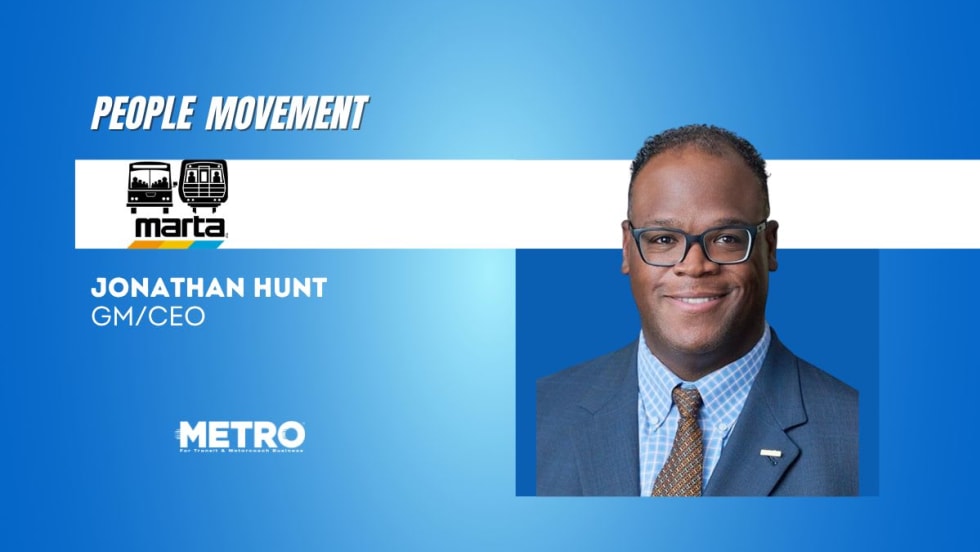
People Movement: MARTA Drops Interim Tag on GM/CEO Hunt and More
In this edition, METRO covers recent appointments and announcements at the FMCSA, HDR, SilverRide, and more, showcasing the individuals helping to shape the future of transportation.
Read More →
VIA Metropolitan Transit Reports 2 Million More Passenger Trips as Better Bus Plan Gains Momentum
San Antonio's transit agency said accelerated service improvements are driving ridership growth, offering another example of how increased frequency and workforce investments can translate into stronger transit performance.
Read More →
ABAF Study Reveals Growing Insurance Crisis for Motorcoach Operators
Preliminary findings show 98% of operators faced premium increases over the past five years, while shrinking insurer participation is putting added pressure on businesses and customers.
Read More →