



Q&A With Metro Transit GM Brian Lamb
Was named GM of Metro Transit in 2004. Today, Lamb oversees a bus and rail system with nearly 2,800 employees who operate two rail lines and nearly 900 buses on 125 routes.

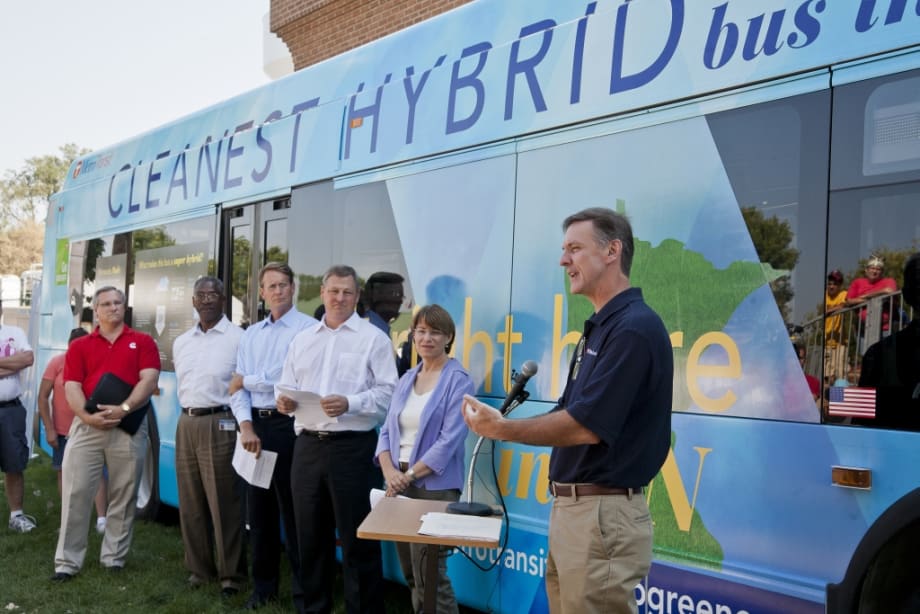
Brian Lamb was named GM of Metro Transit in 2004. Previously, he served Metro Transit for nearly 20 years, leaving in 1999 after seven years as director, service development. From 1999 through 2002 Lamb was director, driver and vehicle services, in the Minnesota Department of Public Safety, and served as the state’s commissioner, administration, from 2003 until he rejoined Metro Transit.
Today, Lamb oversees a bus and rail system with nearly 2,800 employees who operate two rail lines and nearly 900 buses on 125 routes. Metro Transit, a division of the Metropolitan Council, has a $310 million operating budget.
What brought you to Metro Transit? It was just during the aftermath of the national energy crisis, and people were still very sensitive to gas lines and shortages. I had just finished my studies at the University of Minnesota and was working for a Minneapolis City Council member who happened to be a board member at Metro Transit, or MTC at the time. We got to talking about the importance and the role of public transit and it really intrigued me. I applied and got a six-month temporary job.
Did you ever imagine the agency would grow to what it is today? The short answer in 1980 would have been ‘yes,’ but the short answer in the mid-1980s would have been ‘no.’ Metro Transit, like many other transit systems in the mid-80s, had grown so fast and faced quality and cost issues, which were exacerbated by the resumption of plentiful and cheap gas, causing ridership to wane. It wasn’t really until the 1990s, when we started to focus on our rail growth plans and transitway development, that we started to rebound, ridership wise, and really start to re-engage the community about the importance of transit and how it relates to the overall growth of the Minneapolis-St. Paul region.
Discuss how important the development of rail has been to the region.
Rail has been a great lightning rod, in terms of helping the community understand how transit’s convenience, reliability and amenities can work. Blue Line ridership right out of the gate far exceeded our long-term expectations. In terms of total number of riders, we are still above what we projected for the year 2025.
What is interesting, though, is that the Blue Line also helped stimulate people to use other forms of transit, causing our bus ridership to grow. Overall since we opened the Blue Line in 2004, system ridership has grown every year, except for 2009. We have been encouraged by that growth, since the previous 10 to 15 years, we were always kind of plus/minus zero in terms of ridership growth.
What is your greatest day-to-day challenge? It is really the ability to make sure you are preserving a high-quality system while continuing to develop the system for the next generation. If you lose sight of the fact that you have those dual responsibilities, you will not succeed at either. That means if people don’t feel the current system is being well maintained, they won’t have confidence in being able to invest or make those personal choices in a new system.
By the same token, you have to find ways to invest and reinvest in your current system to support planned growth. For instance with the Green Line, we are realigning much of our current bus system so that the two systems are complimentary in nature and build on each other.
More Management

Bus Tech Talk: Keeping Transit Technicians Ahead of the Technology Curve
In this episode of Bus Tech Talk, Complete Coach Works’ Business Development Manager Mark Hollenbeck and METRO’s Executive Editor Alex Roman sit down with Obed Mejia, Senior Technical Trainer for Bus Maintenance, at LA Metro to discuss how rapidly evolving bus technology is changing the maintenance shop — and the skills technicians need to keep pace.
Read More →
Michael Schneider Joins Paslay Group to Expand Transportation Practice
The longtime transportation executive will help Paslay Group grow its advisory and program management work across transit, highway, and other infrastructure sectors.
Read More →
People Movement: Connectpoint Expands Leadership Team, Stadler Names New Group CEO, and More
In this edition, we also spotlight recent personnel moves at Burns, UZURV, and more, highlighting the people taking on new roles across the transportation industry.
Read More →
More Than a Summer Job: Building the Next Generation of Transit Talent
The Delaware River Port Authority and PATCO have transformed their internship program into a hands-on professional development experience that introduces students to the breadth of transportation careers — and creates a pipeline for future employees.
Read More →
LA Metro Board Awards 220 Battery-Electric Bus Contract to ENC
The contract, which is the largest base award of battery-electric buses by a U.S. transit agency, will be built in Southern California, sustaining good jobs as LA prepares to welcome the world in 2028
Read More →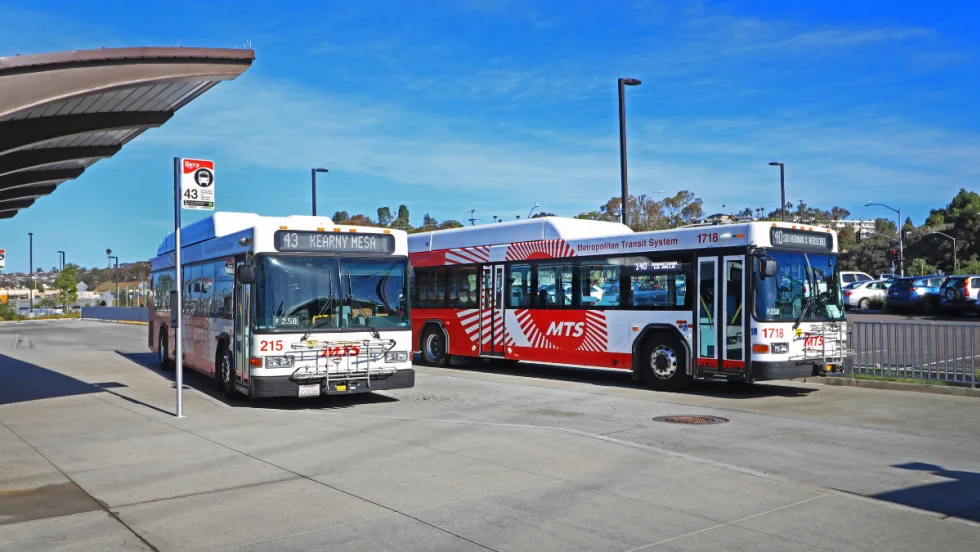
What’s Behind San Diego MTS’s Award-Winning Transit Strategy
Named one of APTA’s 2026 Outstanding Public Transportation Systems with 50 million or more annual passenger trips, California’s San Diego Metropolitan Transit System points to gains in ridership, safety, technology, and reliability as foundations of its success.
Read More →
Public Transit Conference Returning to GFX in 2027, Call for Papers Now Open
The Call for Papers is now open, allowing transit agency professionals and industry experts to help shape the PTC educational program by submitting session ideas for consideration.
Read More →
Indian River Transit’s Community-Focused Approach Earns National Recognition
Named APTA’s 2026 Outstanding Public Transportation System in its size category, Florida’s Indian River County transit system continues to grow ridership through fare-free service and a focus on evolving community needs.
Read More →
ENC Lands MATA Contract and More in Biz Briefs
In this edition of Biz Briefs, we spotlight the latest developments shaping the future of mobility.
Read More →From Surviving to Thriving: Building Stronger Transportation Organizations
Bus Business Consultants founder Brian Dickson shares lessons on leadership, organizational health, and creating options for long-term success in a changing transportation industry.
Read More →