



Rail Projects Total $58 Billion in Top 50
MTA New York City continues its reign in the top spot, with $9 billion in project costs, in METRO’s 9th annual rail study.

As the costs of war skyrocket, so do the costs of rail projects. Despite the waning economy, total project costs in METRO’s 9th annual North American rail projects survey jumped 9% to a total of $58 billion. Although a sizeable percentage increase, numbers still haven’t escalated as high as 2001, when costs increased 11%. In its fiscal year 2004 budget, the U.S. Department of Transportation (DOT) requested $1.5 billion for New Starts projects, $3 million more than 2003. This budget reflects a proposed expansion of the program to make new non-fixed guideway transportation corridor projects eligible for funding and encourage more cost-effective transit options. Transportation agencies appear to have more ambitious plans in this year’s listing, with higher priced proposals edging out smaller ones. Fourteen properties listed billion dollar amounts for projects in 2003. The cutoff price for the bottom of our listing, $45 million for No. 50 Virginia Railway Express, is an increase of $8 million from last year. NYCT stays ahead Going back up the list to the No. 1 spot — no real surprise here — is MTA New York City Transit (NYCT) keeping its slot warm for the third year in a row with $9 billion total costs. Although it is down $863 million, New York still holds a $4 billion edge over Chicago Transit Authority, which holds the runner-up slot. NYCT is also the leader in the railcar list, with a whopping 6,348 vehicles, more than 40% of the overall total in the Top 50. As you might expect with such a large railcar fleet, NYCT leads in ridership as well, transporting 1.4 billion passengers. Ridership numbers for the combined fleets is unchanged from 2002, with more than 3 billion passengers annually. Railcar fleet mix numbers in this year’s list remained fairly stable, with heavy railcars continuing to dominate by increasing 9% to a total of 13,779. Light rail cars stayed put at 7%, with 1,535 vehicles. Although some rankings aren’t budging, some are moving up, or out, most notably in the Top 10. The highest climber in the survey is the Santa Clara Valley (Calif.) Transportation Authority, moving up 12 places to No. 3, with $5 billion in its project purse. A major portion — $3.8 billion — is earmarked for a 16-mile Bay Area Rapid Transit extension to the Silicon Valley. Another $775 million is set aside for 12 miles of light rail extensions under construction. Another agency to move up in the rankings by enlarging its project purse is Triangle Transit Authority in N.C., with a total of $813 million. Two operations — Orange County (Calif.) Transportation Authority and Washington Metropolitan Area Transit Authority — lost their Top 10 rankings to higher-priced projects in 2003. Amtrak, remaining fairly quiet this year with no shutdown threats, received $900 million in this year’s proposed budget, and was put on a leash so to speak. The DOT was given oversight authority of Amtrak’s spending, marking a new era of accountability for the passenger rail service. To curtail its monetary drain, critics want Amtrak to cut its long-distance routes, of which it has already trimmed two. The passenger rail service, with project costs of $559 million, continues with a mid-list ranking of No. 28, a two-position drop from 2002. Monorail for high rollers Making its return to the Top 50 is Las Vegas’ Regional Transportation Commission at No. 36 for its monorail project. The monorail will link seven stations over 3.9 miles of elevated dual-monorail guideway. The project uses two existing stations and revamps the existing less-than-one-mile guideway of the MGM Grand and Bally’s hotels’ former monorail line. Other projects on the rise include North County (Oceanside, Calif.) Transit District’s (NCTD) Oceanside-Escondido rail corridor project, which received a full-funding grant agreement for $351 million. The rail corridor proposal involves converting an existing 22-mile freight rail corridor into a diesel multiple unit transit system running east from the coastal city of Oceanside to Escondido. The alignment, which includes a 1.7-mile loop of new right-of-way service to the California State University-San Marcos campus, will also feature 15 stations, four of which are existing transit centers. NCTD estimates 19,000 daily riders by 2020. The operation only moves up one spot from 2002 to the No. 33 position, despite its $453 million showing. If you know of, or are part of, a rail agency that has plans for the future, but we missed for this year’s survey, please let us know so we can include you next year. To see the complete Top 50, click here.
More Rail
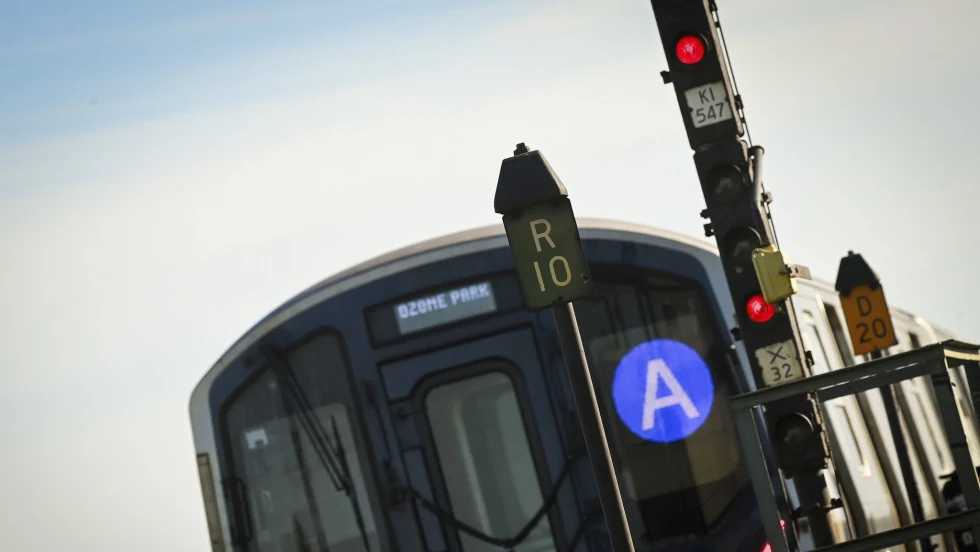
New York MTA Launches Historic $1.9B Signal, Track Modernization Project
Funded in part by congestion pricing revenue, the project will replace nearly century-old signals along the A and C lines in Brooklyn and Queens.
Read More →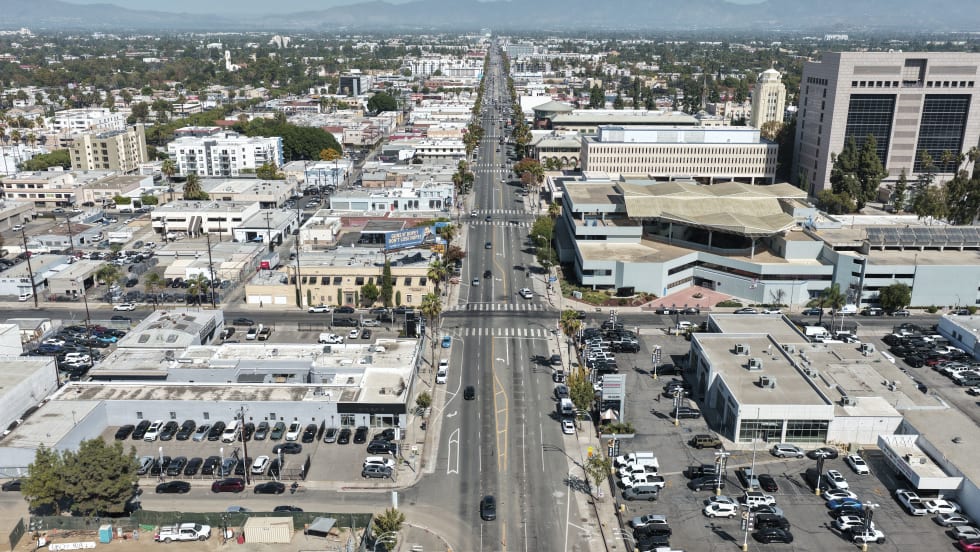
LA Metro Breaks Ground on East San Fernando Valley Light Rail Project
The 6.7-mile line will add 11 stations along Van Nuys Boulevard, expand access to jobs and regional transit connections, and support Metro’s broader efforts to improve mobility as rail ridership grows.
Read More →
CSA Group Releases Climate Resilience Standard for Transit, Passenger Rail
Developed with support from the Standards Council of Canada, CSA D700 guides assessing climate-related risks and planning adaptation measures for transit and passenger rail systems.
Read More →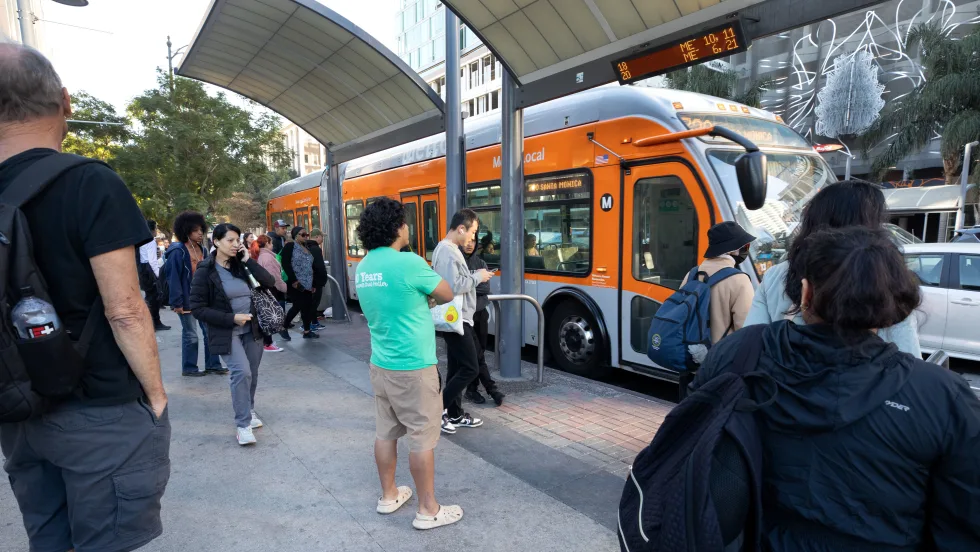
LA Metro September Ridership Climbs 3.9%, Led by Rail Growth
The agency recorded more than 27.2 million boardings, with rail ridership increasing 12.4% year over year and the D Line posting the largest gains.
Read More →
First Full MetroLink Rail Expansion Completed in 20 Years with $192M Airport Project
The project links two St. Louis-area airports by light rail while adding roadway and bike trail connections to improve regional access and mobility.
Read More →
Utilimarc Launches SmartReplace to Optimize Fleet Replacement Decisions
AI-powered SmartReplace helps fleets prioritize vehicle replacements, model budget scenarios, and build more defensible long-term strategies.
Read More →
Scenes from APTA TRANSform & EXPO 2026
Transit leaders, manufacturers, and industry professionals gathered in Chicago to explore new technologies, share ideas, and discuss the future of public transportation.
Read More →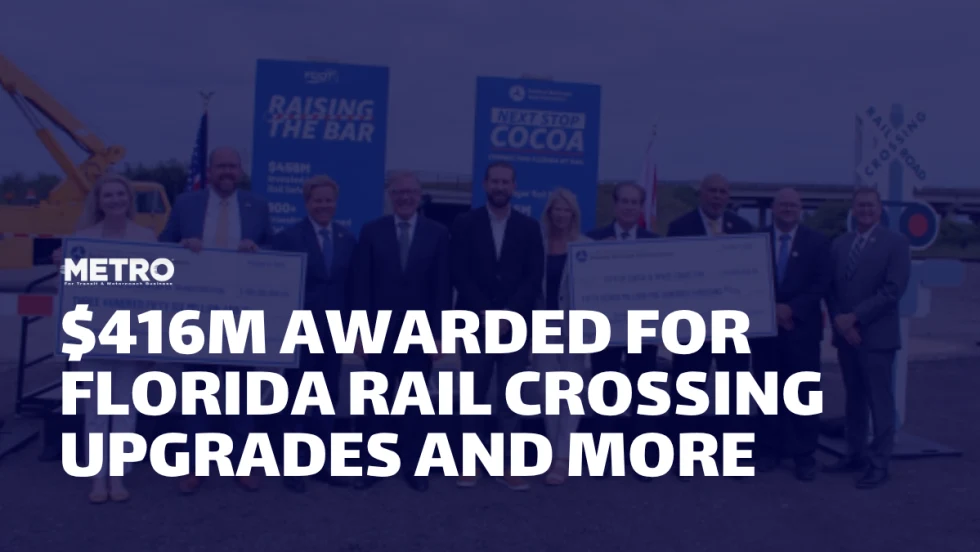
USDOT Awards $416 Million for Florida Rail Crossing Safety Upgrades, New Brightline Station
The projects aim to reduce risks for motorists and pedestrians at rail crossings while expanding passenger rail access along Florida’s Space Coast.
Read More →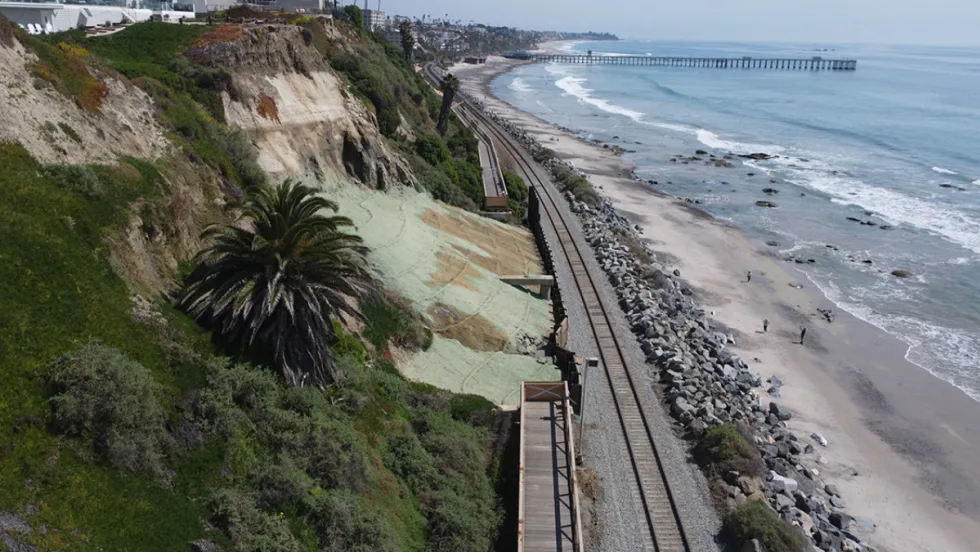
OCTA Declares Emergency to Protect Rail Corridor From Coastal Erosion
The California agency is accelerating shoreline protection and plans to place approximately 690,000 cubic yards of sand along the San Clemente coast to protect a key passenger and freight rail link.
Read More →
More Than a Summer Job: Building the Next Generation of Transit Talent
The Delaware River Port Authority and PATCO have transformed their internship program into a hands-on professional development experience that introduces students to the breadth of transportation careers — and creates a pipeline for future employees.
Read More →