



Retiring from transit doesn’t always mean leaving the industry
Sitting on a transit authority's board is merely a continuation of work done on the supplier side.
More than 35 years of my life have been spent traveling as a supplier to practically every transit authority throughout the U.S., Canada and parts of Asia. As a consequence, I’ve made life-long friendships with many in the industry. When the time came to retire, the separation from the industry could have been some-what of a traumatic experience. Fortunately, the company I had great pride in working for kept me on part time to preserve valuable customer contacts and friendships that I had established. Another new avenue of opportunity opened up to me, one that I had not given much thought to: service as a volunteer trustee on a public transportation authority board. The mayor of my city asked me to serve on the board of the Central Ohio Transit Authority and represent two other suburban cities. I have now had more than a rewarding year and a half experience on our transit board. What it takes to get there Generally, transit board members are not career transit people. For the most part, they are appointed or elected to oversee the proper handling of public funds. Some are professionals in important disciplines needed by the board or are civic-minded citizens wishing to make a contribution by serving on a public board. It can be said that almost universally, they are people who have had little or no experience with public transportation and their service is usually of limited term. The experience of those in supplier companies, retired or not, can make an enormous contribution to the effectiveness of a transit board. The ready-made knowledge of transit is much needed to support the serious deliberation of the board’s responsibilities. It is important to the inexperienced transit board member to be able to understand, with the help of an experienced member, to make a decision that calls for a vote. The needs of facilities are known because you have been to so many of them. When an-nual budgets are presented, they are not unlike the budgets of private industry. The transit expert in many ways has insight into a broad range of available products that can contribute to efficiencies and knows where to obtain them. An industry-minded board member needs no orientation other than what is specifically needed to understand the transit organization itself. It is safe to say new transit board members know little about the operation of a transit company. After a time, they become familiar with the operation of their transit company, but it is still only superficial. The person with a background knowledge of transit contributes to the comfort of other board members when decisions are being made. Knowing the industry at large should also be important to board members. The easiest source for this information, other than that provided by the CEO, is the board member who, as a supplier, spent many years doing business with other transit authorities. Moreover, a supplier has been directly in-volved in dealing with government regulations and with procurement bid requirements. The question of conflict of interest arises when a transit industry supplier becomes a member of a transit authority board. The occasion when a supplier board member is confronted with such a conflict is minimal. If there is a direct conflict, which would occur in a procurement or contract to be approved, the member merely abstains from discussion and voting. The occurrence of such a vote is so infrequent that it really is not a concern. There is much to be said for suppliers, retired or not, who become members of transit boards. CEO/GMs may welcome such expertise on the board, and the supplier board member can be an important asset to the efficient functioning of the board. The real reward for the board member who is retired is the opportunity to stay in contact with the industry and at the same time make a significant contribution to the important operation of a transit agency and its board. Reichard currently sits on the board of the Central Ohio Transit Authority as well as METRO’s editorial advisory board. He spent his years as a supplier at GFI Genfare.
More Management

Bus Tech Talk: Keeping Transit Technicians Ahead of the Technology Curve
In this episode of Bus Tech Talk, Complete Coach Works’ Business Development Manager Mark Hollenbeck and METRO’s Executive Editor Alex Roman sit down with Obed Mejia, Senior Technical Trainer for Bus Maintenance, at LA Metro to discuss how rapidly evolving bus technology is changing the maintenance shop — and the skills technicians need to keep pace.
Read More →
Michael Schneider Joins Paslay Group to Expand Transportation Practice
The longtime transportation executive will help Paslay Group grow its advisory and program management work across transit, highway, and other infrastructure sectors.
Read More →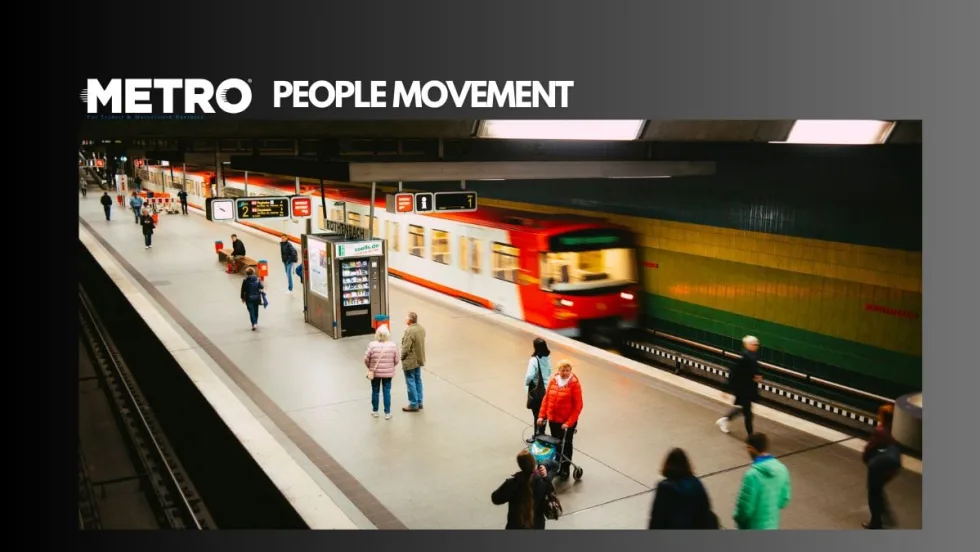
People Movement: Connectpoint Expands Leadership Team, Stadler Names New Group CEO, and More
In this edition, we also spotlight recent personnel moves at Burns, UZURV, and more, highlighting the people taking on new roles across the transportation industry.
Read More →
More Than a Summer Job: Building the Next Generation of Transit Talent
The Delaware River Port Authority and PATCO have transformed their internship program into a hands-on professional development experience that introduces students to the breadth of transportation careers — and creates a pipeline for future employees.
Read More →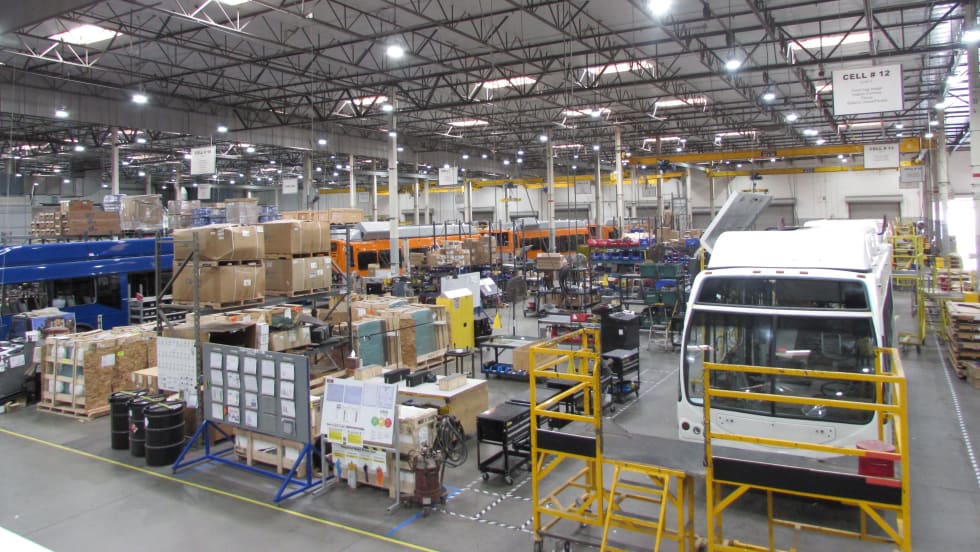
LA Metro Board Awards 220 Battery-Electric Bus Contract to ENC
The contract, which is the largest base award of battery-electric buses by a U.S. transit agency, will be built in Southern California, sustaining good jobs as LA prepares to welcome the world in 2028
Read More →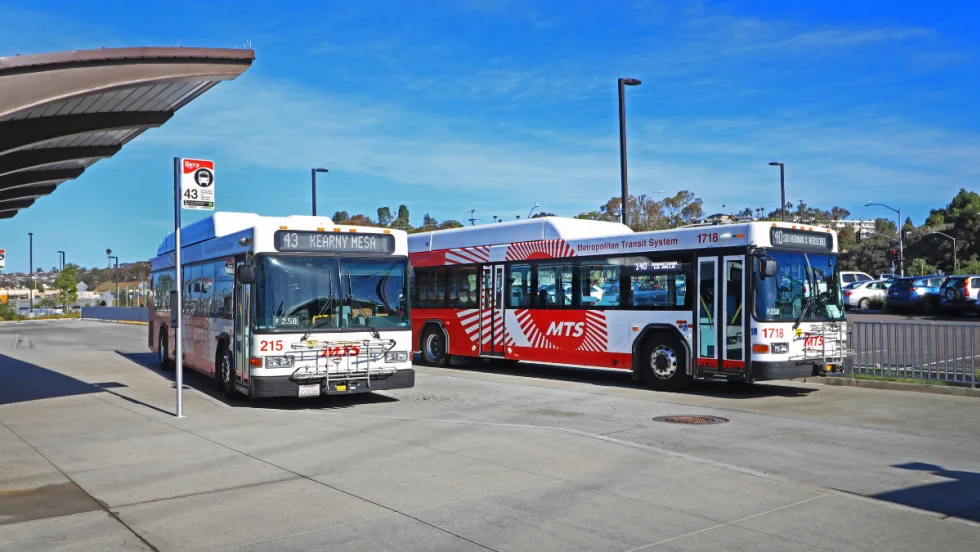
What’s Behind San Diego MTS’s Award-Winning Transit Strategy
Named one of APTA’s 2026 Outstanding Public Transportation Systems with 50 million or more annual passenger trips, California’s San Diego Metropolitan Transit System points to gains in ridership, safety, technology, and reliability as foundations of its success.
Read More →
Public Transit Conference Returning to GFX in 2027, Call for Papers Now Open
The Call for Papers is now open, allowing transit agency professionals and industry experts to help shape the PTC educational program by submitting session ideas for consideration.
Read More →
Indian River Transit’s Community-Focused Approach Earns National Recognition
Named APTA’s 2026 Outstanding Public Transportation System in its size category, Florida’s Indian River County transit system continues to grow ridership through fare-free service and a focus on evolving community needs.
Read More →
ENC Lands MATA Contract and More in Biz Briefs
In this edition of Biz Briefs, we spotlight the latest developments shaping the future of mobility.
Read More →From Surviving to Thriving: Building Stronger Transportation Organizations
Bus Business Consultants founder Brian Dickson shares lessons on leadership, organizational health, and creating options for long-term success in a changing transportation industry.
Read More →