



Riding the lines provides more than transportation
There is a way to get a first-hand look at your service that will provide a treasury of information that can’t be unearthed by any survey. Try it yourself.
How good is your transit service? Depends on who you ask, most likely. If you have an aggressive transit users group in your community, your bus and/or rail service probably doesn’t rate too highly with its members. Without much provocation, I’m sure they can produce a list of 20 deficiencies in your system and an equally long list of complaints about projects in the pipeline. If your marketing department has been surveying your less confrontational customers, you probably get a mixed reaction, mostly positive, from the respondents. You’ll find that most people who take the time to respond to this type of survey have strong opinions in one direction or the other. For the most part, they will say nice things about your service because they don’t want to offend. Even with the most sophisticated, high-dollar polling efforts, however, it’s difficult to pinpoint the real strengths and weaknesses of your operation, especially in larger systems. But there is a way to get a first-hand look at your service that will provide a treasury of information that can’t be unearthed by any survey. Try it yourself. An accurate taste test For a few days each month, ride the bus or train to work. Or to a museum. Or to a business appointment. Try to use the system in different ways, with time pressure if possible. Replicating your customers’ varied usage will give you a better idea of how efficiently the system is operating. Whether you validate the findings of your marketing studies or uncover a whole raft of unanticipated problems, you will have a better grasp on the practical and emotional needs of your customers. This knowledge can help in myriad ways. For example, can you really understand the annoyance and inconvenience of a late-arriving bus or a light rail breakdown without, well, suffering the annoyance and inconvenience of a late bus or a light rail breakdown. You need to experience these things rather than reading about them in a 20-page report with bar charts and masses of verbatim comments. Can we talk? Riding the lines will also give you a chance to talk to your customers. You can collect valuable information about their riding habits just by asking, especially if you don’t identify yourself as an employee of the transit agency. Some of what you hear might be literally painful, such as complaints about uncomfortable seats or rough-riding suspensions. But you might also hear praises sung about the bus driver’s courtesy and affable nature or the punctuality of your buses and trains. Your operators might appreciate the fact that you’ve taken time to ride with them. It’s a good opportunity to hear their opinions on the quality and reliability of their vehicles, ways to improve service, security issues or — less critical but still important — the food in the vending machines in the driver’s lounge. Yes, I know, this all sounds good on paper, but you’re telling yourself: Who has the time to ride public transportation when there’s mountains of work that won’t take care of itself? I can’t help to improve the operation if I’m waiting on a street corner for a bus that’s running 20 minutes late. Hmmm. . .
More Management

Bus Tech Talk: Keeping Transit Technicians Ahead of the Technology Curve
In this episode of Bus Tech Talk, Complete Coach Works’ Business Development Manager Mark Hollenbeck and METRO’s Executive Editor Alex Roman sit down with Obed Mejia, Senior Technical Trainer for Bus Maintenance, at LA Metro to discuss how rapidly evolving bus technology is changing the maintenance shop — and the skills technicians need to keep pace.
Read More →
Michael Schneider Joins Paslay Group to Expand Transportation Practice
The longtime transportation executive will help Paslay Group grow its advisory and program management work across transit, highway, and other infrastructure sectors.
Read More →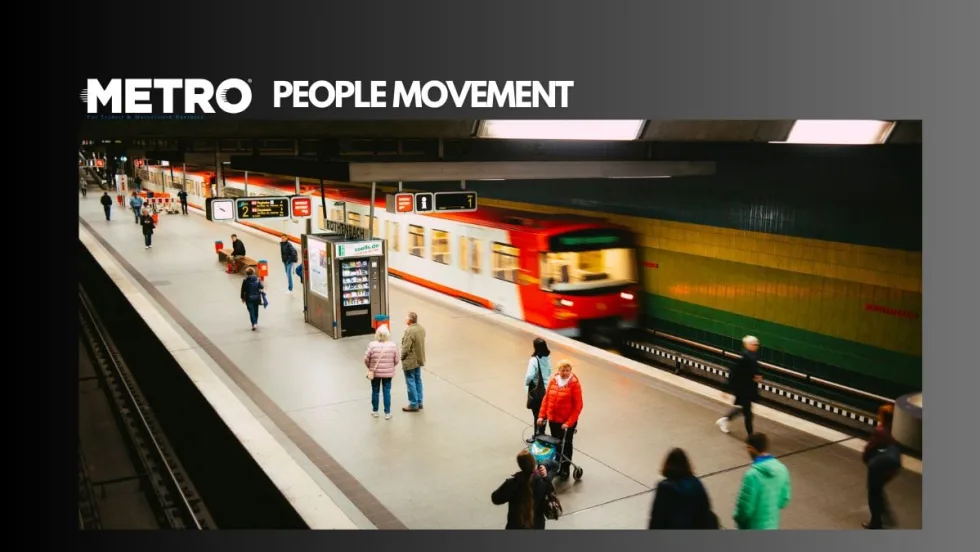
People Movement: Connectpoint Expands Leadership Team, Stadler Names New Group CEO, and More
In this edition, we also spotlight recent personnel moves at Burns, UZURV, and more, highlighting the people taking on new roles across the transportation industry.
Read More →
More Than a Summer Job: Building the Next Generation of Transit Talent
The Delaware River Port Authority and PATCO have transformed their internship program into a hands-on professional development experience that introduces students to the breadth of transportation careers — and creates a pipeline for future employees.
Read More →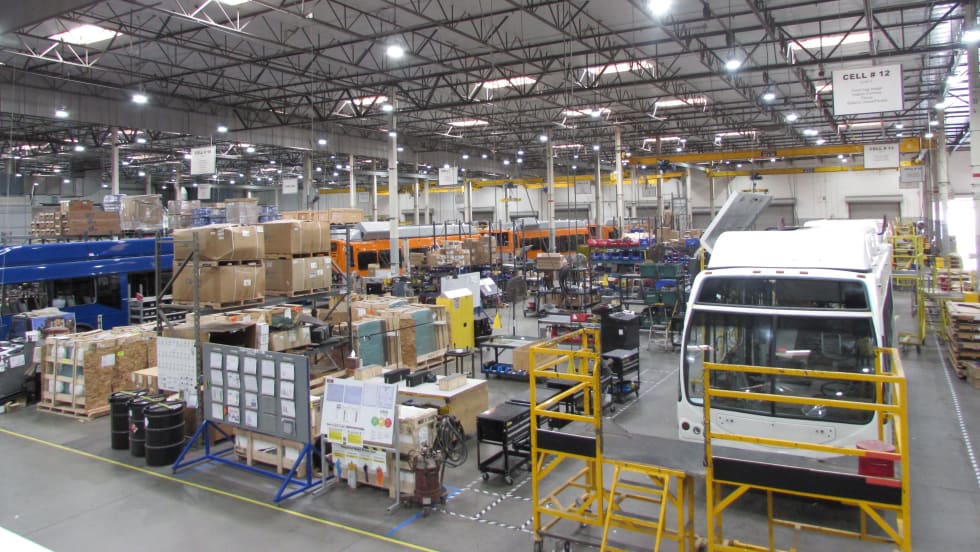
LA Metro Board Awards 220 Battery-Electric Bus Contract to ENC
The contract, which is the largest base award of battery-electric buses by a U.S. transit agency, will be built in Southern California, sustaining good jobs as LA prepares to welcome the world in 2028
Read More →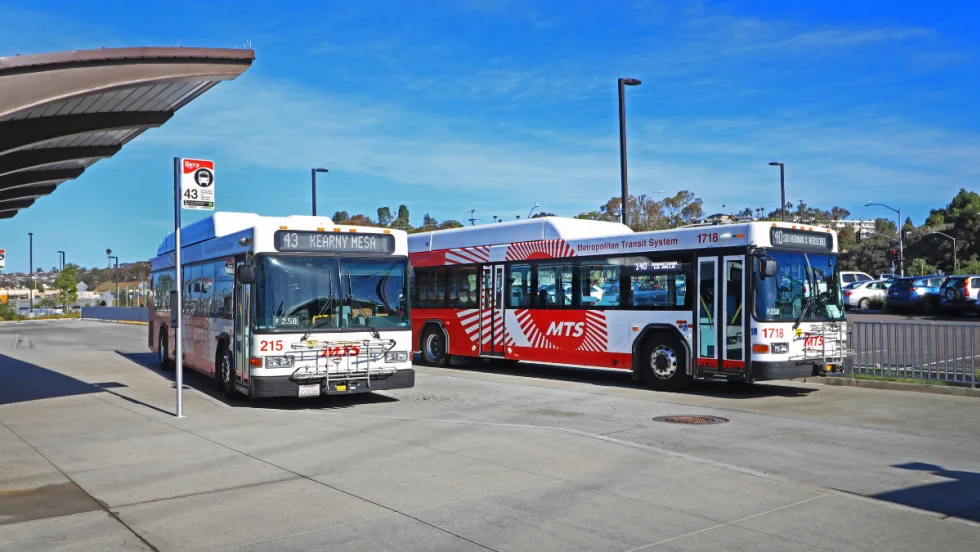
What’s Behind San Diego MTS’s Award-Winning Transit Strategy
Named one of APTA’s 2026 Outstanding Public Transportation Systems with 50 million or more annual passenger trips, California’s San Diego Metropolitan Transit System points to gains in ridership, safety, technology, and reliability as foundations of its success.
Read More →
Public Transit Conference Returning to GFX in 2027, Call for Papers Now Open
The Call for Papers is now open, allowing transit agency professionals and industry experts to help shape the PTC educational program by submitting session ideas for consideration.
Read More →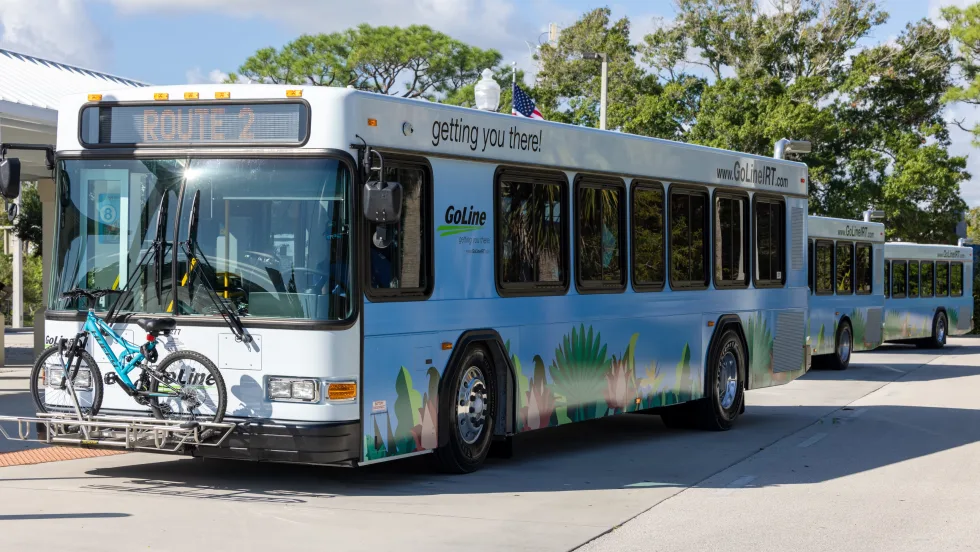
Indian River Transit’s Community-Focused Approach Earns National Recognition
Named APTA’s 2026 Outstanding Public Transportation System in its size category, Florida’s Indian River County transit system continues to grow ridership through fare-free service and a focus on evolving community needs.
Read More →
ENC Lands MATA Contract and More in Biz Briefs
In this edition of Biz Briefs, we spotlight the latest developments shaping the future of mobility.
Read More →From Surviving to Thriving: Building Stronger Transportation Organizations
Bus Business Consultants founder Brian Dickson shares lessons on leadership, organizational health, and creating options for long-term success in a changing transportation industry.
Read More →