



Tech Talk: Safe Fleet’s New System Aims to Clear Lanes, Improve Ridership
Dan Pulskamp, VP of Transit Bus and Rail at Safe Fleet, shared how the company’s new ClearLane system can create a positive impact in cities across the U.S.

Safe Fleet ClearLane uses two types of bus-mounted cameras, a computer with inertial sensors, a GPS receiver, and a cellular router.
Photos courtesy Safe Fleet
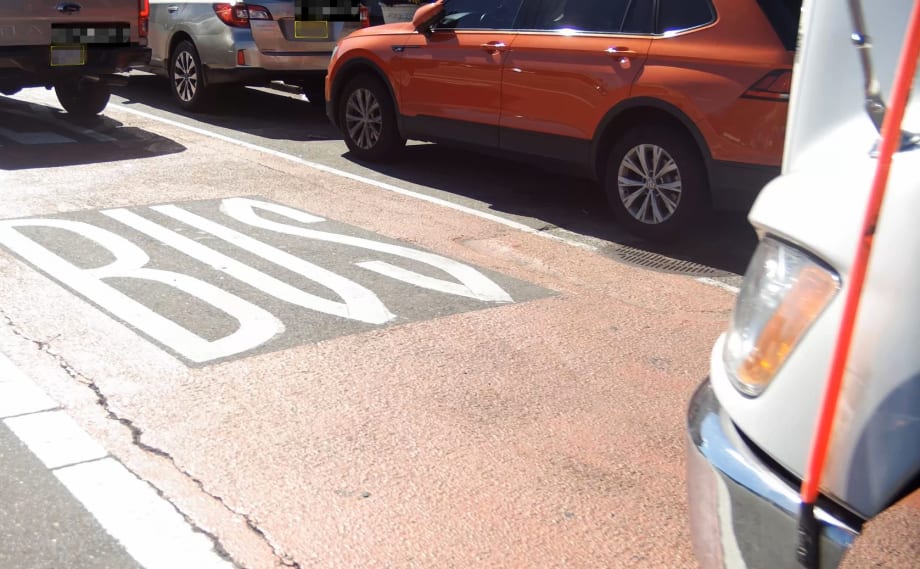
Safe Fleet has introduced ClearLane, an Automated Bus Lane Enforcement (ABLE) system that helps keep dedicated bus lanes clear from violators. The system detects illegally parked and moving vehicles, as well as captures and packages evidence for processing and subsequent ticketing. In doing so, the system keeps bus lanes clear, improves transit commute times, and encourages increased ridership.
Safe Fleet® ClearLane™ is currently in pilot and being tested in cities across the U.S.
The system monitors dedicated bus lanes for infractions, captures evidence, and analyzes the evidence against a city’s business rules to confirm a violation. ClearLane features a combination of purpose-built cameras, innovative thinking, and AI to solve new and emerging challenges.
Most cities are becoming more and more congested. Dedicated bus lanes intended to clear and speed up transit corridors are often bogged down with delivery vehicles, taxis, and personal transportation. Many North American cities average transit speeds below 10 miles per hour. New York City Transit (MTA) averages 8.6 miles per hour. Washington Area Transit Authority (WMATA) averages speeds of less than 10 miles per hour on most corridors. The WMATA averages less than five miles per hour downtown during peak periods.
Safe Fleet ClearLane uses two types of bus-mounted cameras, a computer with inertial sensors, a GPS receiver, and a cellular router. Context cameras provide the big picture, recording video of the entire scene and Automatic License Plate Recognition (ALPR) cameras read all vehicle license plates. The context and ALPR cameras work in combination to make intelligent real-time decisions and together they capture license plate details and setting of any vehicle in violation of a posted bus lane restriction.
These cameras are constantly capturing data in search of bus lane violations,” says Dan Pulskamp, VP, transit bus and rail, at Safe Fleet. “If a vehicle is parked in the bus lane, the ClearLane system takes a picture of the vehicle, license plate, and provides a day, time and GPS location stamp of where the offense took place.”
Advanced algorithms help bring a high level of precision to the captured images. Tests conducted in real-world conditions and large sample sizes of several thousand vehicles have resulted in 95% license plate and vehicle detection accuracy. Such low false positive rates, demonstrate the technology is ready for scale in cities worldwide.
Vehicle position detection, inertial location sensors and artificial intelligence modeling help monitor bus position, movement and identify any vehicles blocking the bus lane. Evidence bundles are submitted to the department of transportation for review as part of the city’s policy for citation processing.

Context cameras provide the big picture, recording video of the entire scene and Automatic License Plate Recognition cameras read all vehicle license plates.
In piloting a lane enforcement system along with Select Bus Service (SBS), which includes all-door boarding, and traffic light priority, the Metropolitan Transportation Authority (MTA) has increased travel time on specific routes by 10% to 30% and increased customer satisfaction by 10% to 15%. The MTA also reports an increase in ridership on their SBS route M14 by 15% on weekdays and up to 37% on weekends.
Pulskamp believes this technology can be used in other areas.
“We feel this is going to be big,” says Pulskamp. “You can essentially adapt and expand the base technology elements to other use cases such as bike lane enforcement, time restricted parking spots, illegal turns, and parking too close to an intersection, stop sign or bus stop.”
“For now our focus is on keeping bus lanes clear for faster and safer transit commute times, improving the passenger experience and increasing transit ridership, but we are open to the possibilities Safe Fleet ClearLane can address,” states Pulskamp. “This technology is capable of ensuring the tactics city planners employ to ease congestion, improve flow and overall usage, function as they were intended to do, and that’s a good thing.”
¹https://wagner.nyu.edu/files/rudincenter/Barr.pdf
²https://new.mta.info/system_modernization/M14SBS
More Technology

From Hardware to Digital Partner: Luminator Charts Its Next Chapter
CEO Magnus Friberg discusses Luminator’s shift toward becoming a digital partner, the growing importance of software and interoperability, and how AI can help agencies improve operations and passenger experience.
Read More →
Beyond the Checklist: A Structured Approach to Transit Maintenance
Reliability-Centered Maintenance helps transit agencies move beyond routine checklists to focus limited resources on the assets and failures that have the greatest impact on safety, reliability, and service.
Read More →
NJ TRANSIT Advances Bus Technology Upgrades Across Statewide Fleet
More than 1,500 buses now feature upgraded technology designed to improve arrival predictions and provide free Wi-Fi, with deployment expected to reach nearly 2,000 buses by the end of 2026.
Read More →

Building a Flexible Path to Transit Electrification
John Hroncich discusses BAE Systems’ modular and scalable approach, lessons learned from decades of real-world operations, and how agencies can identify electrification strategies that fit their fleets.
Read More →
Biz Briefs: Alstom Lands Canadian Contract, LYT to Supply California TSP, and More
In METRO's latest installment, we take a look at recent news from Complete Coach Works, Beep, FlixBus, and more partnerships making headlines across the transportation sector.
Read More →
From Legacy Silos to Conversational Intelligence
What if transit leaders could ask any operational question and get a trusted answer in seconds? Conversational AI is transforming how agencies use their data.
Read More →
USDOT Announces Rail Vehicle Replacement Grants, Chattanooga AV Shuttle Funding
More than $191 million in federal funding will help three transit agencies replace aging rail vehicles and support a new autonomous shuttle service in Chattanooga.
Read More →
Bus Tech Talk: Keeping Transit Technicians Ahead of the Technology Curve
LA Metro’s Obed Mejia discusses technician training, evolving maintenance technology, fleet replacement, and strategies for getting the most out of today’s transit fleets.
Read More →
Biz Briefs: RIPTA Unveils New Frontrunners, Clevland RTA Adds New Siemens, and More
In METRO's latest installment, we take a look at recent news from Siemens, Prevost, Dodge, and more partnerships making headlines across the transportation sector.
Read More →
Why Simulating Pedestrian Movement Has Become Essential for Modern Rail Stations
Pedestrian microsimulation is helping rail planners identify bottlenecks, test station designs, and prepare complex transit hubs for growing passenger volumes.
Read More →