



Standards Spell Progress for Procurement
The American Public Transportation Association's vigorous movement to develop transit standards has become an integral part of procurement reform, increasing cost efficiency and cultivating better products.

The standards development program undertaken by the American Public Transportation Association (APTA) has revved into second gear. After eight years and the development of more than 175 unique transit standards, the association has declared itself an official Standards Development Organization (SDO), adding credibility and purpose to an already burgeoning movement.
“The standards movement is a snowball that has already started in motion and is picking up speed,” says Lurae Stuart, APTA’s senior project manager for bus programs. “Because it’s something that benefits both the private and public sectors and because there has been a demand for more standards for so long, it’s naturally a movement that everyone is behind.”
Of course, the benefits of industry standards are innumerable, and discussing them in any depth would require a lot more than this article. But one of the more incisive rewards of furthering the development of standards is procurement improvement.
“In a nutshell, standards simplify the procurement process,” says Stuart. “Cutting across all modes, they bring a commonality to the design of vehicles and equipment, which saves time and money and makes life easier on buyers and sellers.”
In fact, better standards have been a primary goal for APTA’s procurement task force and reform efforts. Though the sum of benefits is difficult to quantify, standards development essentially enhances procurement in two major ways — it cuts costs and upgrades the quality of products in the industry.
Cost-efficiency for all
The concept is quite simple. If a minimum bar is set on everything sold and used in transit systems, from buses and trains to fare collection systems and ITS, then more people are buying similar products, making it infinitely easier for suppliers to respond to what agencies want.
“To some degree, suppliers have inadvertently promoted differentiation in their products, which may help them individually, but doesn’t necessarily help the industry as a whole,” says Peter Cannito, president of New York MTA’s Metro-North Rail Road and chairman of APTA’s Standards Development Oversight Committee (SDOC). “So that is what we are trying to get away from. We want more people buying more common products so that the industry is getting the benefit of reduced prices from more overall purchases.”
Cannito says that APTA research has revealed that just a 5% increase in transit standards industry-wide would result in staggering cost savings. The upshot of these savings, from a supplier perspective, is that the extra money will presumably lead to more procurements, and the cycle will repeat itself. Thus, the private and public sectors have a mutual stake in this effort.
“The business members believe that procurement standards should be a priority area for standards development in light of the significant work that has been done on procurement reform,” says Kim Green, president of GFI Genfare and chair of APTA’s Business Member Board of Governors (BMBG). “If it’s done in the right way, the industry would realize important savings for both the public and private sectors with greater use of industry-wide procurement standards, but the process does not simply end with the adoption of new standards.” A big challenge, he says, will be the application of standards.
Building a better industry
There have been some doubts and concerns, particularly over private-sector influence in the standards decision-making process and on the question of how to protect a company’s discretion on internal production methods. Currently, the APTA standards committee is striving to make sure that a reduction in product differentiation among suppliers does not hurt or inhibit a supplier’s capacity to distinguish itself from the competition.
“We are working on addressing the issue of protecting proprietary information among our business member colleagues,” says Cannito. “We want it to be like any other industry where manufacturers can differentiate themselves in what they make internally but still allow all systems to do the same thing.”
He uses the computer industry as an example, pointing out that Microsoft systems work across platforms made by multiple manufacturers. So far, APTA is paying attention to these concerns from both the business and the agency sides.
“Concern has been expressed by the BMBG about the extent of supplier participation at the policy level of APTA’s standards development program,” Green says. “But so far, most of the important issues we’ve raised have been addressed.”
Cannito cautions that there are still segments of the industry requiring attention, while others have already immersed themselves in the quest to improve standards. “Vehicle manufacturers are one of the major advocates of standards because they are a lot like transit agencies in that they are integrators that buy parts from all over the industry,” he says. Standards help them a great deal and, in the process, bring greater interchangeability and interoperability to the entire industry.
The standards horizon
In the long run, better standards lead to lower agency operating costs, which lead to more disposable funds. They also breed a more consistent manufacturing process that reduces overall production costs and helps simplify maintenance and parts acquisition. During the procurement itself, the development of specifications is immeasurably easier and less costly with increased standards usage. Most importantly, standards contribute greatly to safety by ensuring that products and components are meeting minimum requirements.
APTA recently approved a dues increase for all members to go towards funding standards creation. This will breathe even more momentum into the effort.
Much of the hard work is out of the way, according to Cannito, but he says people need to better understand the purpose of standards development to ensure that established transit standards are in fact used. Overall, he says, the committee is making good progress. “We are still early in the process, but I think it is going to become a major part of APTA.”
More Management

CATS Launches West Charlotte Microtransit Zone, Expands Transit Services
The new microtransit zone connects residents to key destinations as Charlotte Area Transit System rolls out the first phase of its 2055 Transit System Plan.
Read More →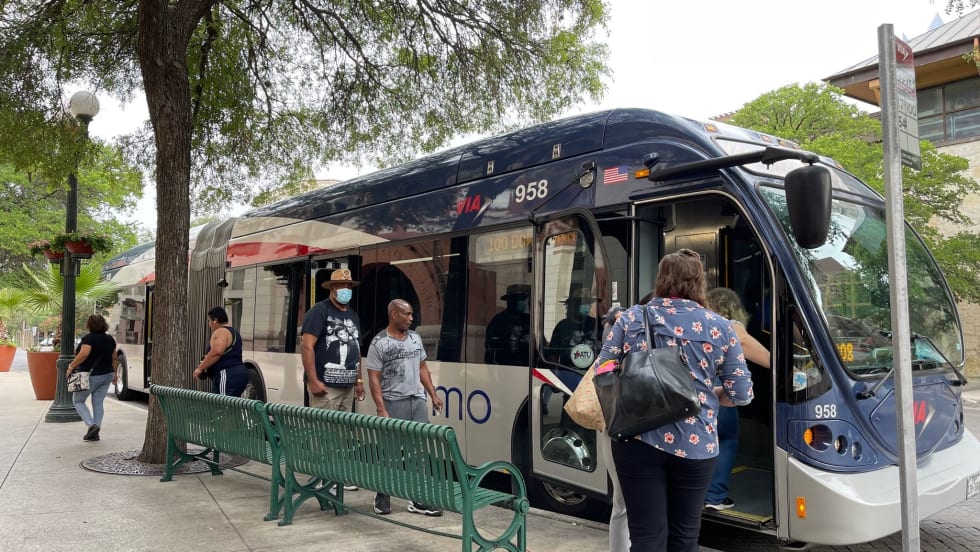
VIA Bus Ridership Grows 10.1% Through August 2026
San Antonio's VIA Metropolitan Transit reported the highest bus ridership growth among major Texas transit systems. Federal Transit Administration data ranked it second among the nation's 50 largest transit systems.
Read More →
CSA Group Releases Climate Resilience Standard for Transit, Passenger Rail
Developed with support from the Standards Council of Canada, CSA D700 guides assessing climate-related risks and planning adaptation measures for transit and passenger rail systems.
Read More →
ETA CEO John Maglio on Transit Technology, Innovation, and Building Agency Trust
ETA founder and CEO John Maglio explores the evolution of transit technology, the importance of reliable systems, and how stronger partnerships can help agencies improve operations and the passenger experience.
Read More →
COTA Launches First Customer Experience Action Plan to Improve Transit Service
The new plan outlines improvements to service reliability, accessibility, communication, and the overall rider experience across Central Ohio's transit system.
Read More →
LA Metro September Ridership Climbs 3.9%, Led by Rail Growth
The agency recorded more than 27.2 million boardings, with rail ridership increasing 12.4% year over year and the D Line posting the largest gains.
Read More →
Utilimarc Launches SmartReplace to Optimize Fleet Replacement Decisions
AI-powered SmartReplace helps fleets prioritize vehicle replacements, model budget scenarios, and build more defensible long-term strategies.
Read More →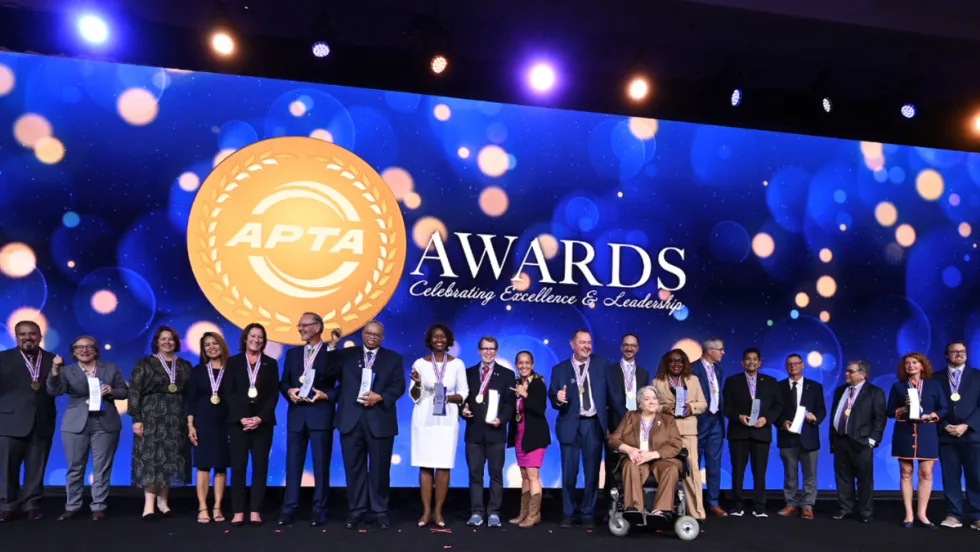
APTA Honors 2026 Award Winners, Hall of Fame Inductees at TRANSform & EXPO
Innovations in autonomous and zero-emission transportation, standout transit systems, and industry leadership took center stage among this year's honorees.
Read More →
7 Ways to Build a Better Transit Internship Program
Lessons from DRPA/PATCO’s approach to creating a meaningful internship experience—and developing the next generation of transportation professionals.
Read More →
Scenes from APTA TRANSform & EXPO 2026
Transit leaders, manufacturers, and industry professionals gathered in Chicago to explore new technologies, share ideas, and discuss the future of public transportation.
Read More →