



Supplier community’s health hinges on cooperative efforts
With the reauthorization of TEA 21 rapidly approaching, it’s quite natural to begin talking about money — huge sums of it, and, yes, not enough of it.
Let’s face it, money is what makes things happen. With the reauthorization of TEA 21 rapidly approaching, it’s quite natural to begin talking about money — huge sums of it, and, yes, not enough of it. How quickly money changes hands is also critical, a subject which I’ll get to in a minute. Although the Federal Transit Administration (FTA) is only beginning the process of putting together the proposal that it will eventually submit to Congress, the focus is clearly on creating a program with guaranteed funding provisions, something that we all can get behind. At the recent American Public Transportation Association (APTA) legislative conference in Washington, D.C., Transportation Secretary Norman Mineta and FTA Administrator Jenna Dorn gave no indication, however, that transit funding levels in the TEA 21 reauthorization would be significantly boosted. Although it’s still early in the reauthorization process, signals were given, in fact, that fiscal austerity will be given its due. More funding support from local and state sources could be the end result, which is why the transit community needs to lobby all of its representatives over the next several months. Meetings with your representatives on Capitol Hill are paramount, but don’t forget your friends down the road and at the state capitol. Rivers of money Now, back to my earlier mention of the movement of money. When you’re talking about the programmatic disbursement of billions of dollars, it’s easy to focus on the size of the pot and overlook how the money flows down the pipeline and the impact of this movement on the industry. It’s extremely important that the FTA streamlines the funding process for grantees and that, in turn, grantees support procurement practices that swiftly and fairly compensate their suppliers. The reason I mention the critical importance of streamlined funding is that the health of the transit industry’s supplier community is strongly tied to cash flow. Bus manufacturers, for example, invest huge sums of money into fulfilling orders for rolling stock and often are not paid until the final product is approved by the buyer. In the meantime, these manufacturers must pay their employees as well as a host of component suppliers. If weighed down by too much debt and delayed payment, manufacturers can be forced into default, an instance too often seen in this industry. That’s why I’d like to press the issue that transit properties and their equipment suppliers forge a stronger alliance. Agreements on such things as progress payments, negotiated procurement and, when sensible, product standardization will improve the standing of both groups. Uncommon interests Between transit properties and their suppliers, the struggle for the upper hand is an old one. Some transit managers feel that progress payments to bus manufacturers, for instance, are detrimental. They argue that payment should always be withheld until the product has been delivered and approved. We need to move away from conditioned inflexibility and seriously study mechanisms to give both groups what they require to maintain an efficient and safe public transportation system. APTA’s procurement committees, representing agency members and business members, are making progress in this area, but buyers and sellers have to be willing compromise. I understand that transit properties and their suppliers each answer to “higher authorities” such as boards of directors and shareholders, respectively. This creates agendas that sometimes conflict with the common good. That’s unfortunate, because mutual interests are strong, too.
More Management
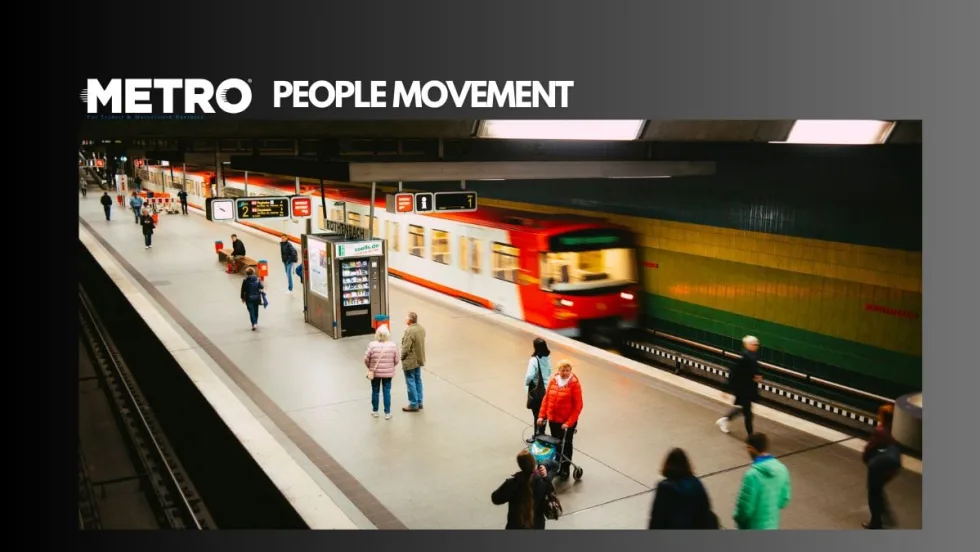
People Movement: Connectpoint Expands Leadership Team, Stadler Names New Group CEO, and More
In this edition, we also spotlight recent personnel moves at Burns, UZURV, and more, highlighting the people taking on new roles across the transportation industry.
Read More →
More Than a Summer Job: Building the Next Generation of Transit Talent
The Delaware River Port Authority and PATCO have transformed their internship program into a hands-on professional development experience that introduces students to the breadth of transportation careers — and creates a pipeline for future employees.
Read More →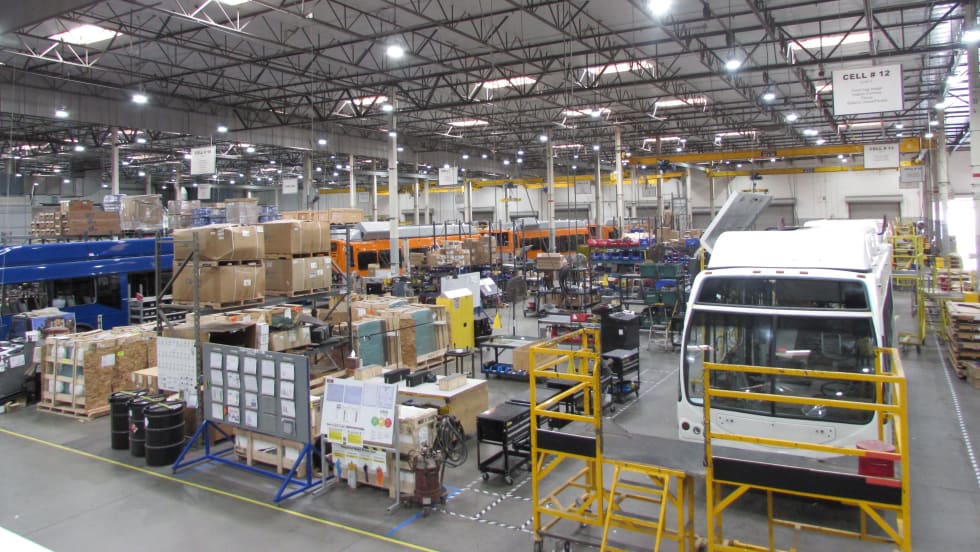
LA Metro Board Awards 220 Battery-Electric Bus Contract to ENC
The contract, which is the largest base award of battery-electric buses by a U.S. transit agency, will be built in Southern California, sustaining good jobs as LA prepares to welcome the world in 2028
Read More →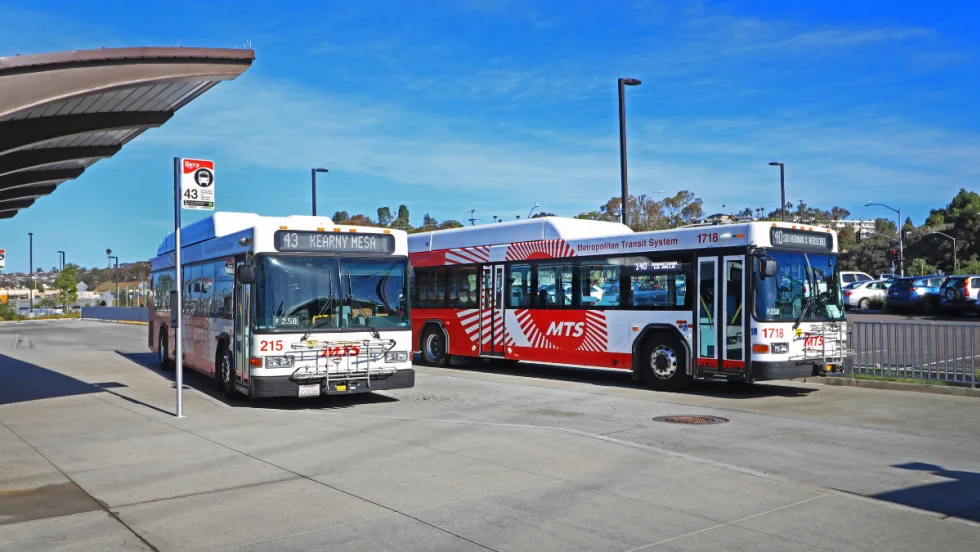
What’s Behind San Diego MTS’s Award-Winning Transit Strategy
Named one of APTA’s 2026 Outstanding Public Transportation Systems with 50 million or more annual passenger trips, California’s San Diego Metropolitan Transit System points to gains in ridership, safety, technology, and reliability as foundations of its success.
Read More →
Public Transit Conference Returning to GFX in 2027, Call for Papers Now Open
The Call for Papers is now open, allowing transit agency professionals and industry experts to help shape the PTC educational program by submitting session ideas for consideration.
Read More →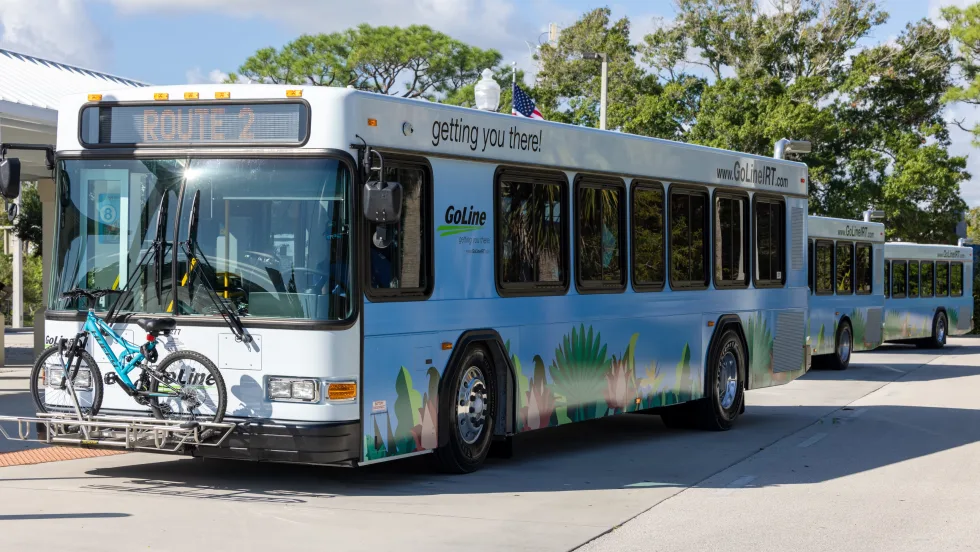
Indian River Transit’s Community-Focused Approach Earns National Recognition
Named APTA’s 2026 Outstanding Public Transportation System in its size category, Florida’s Indian River County transit system continues to grow ridership through fare-free service and a focus on evolving community needs.
Read More →
ENC Lands MATA Contract and More in Biz Briefs
In this edition of Biz Briefs, we spotlight the latest developments shaping the future of mobility.
Read More →
From Surviving to Thriving: Building Stronger Transportation Organizations
Bus Business Consultants founder Brian Dickson shares lessons on leadership, organizational health, and creating options for long-term success in a changing transportation industry.
Read More →
Everett Transit, Community Transit Outline Consolidation Agreement
The proposed agreement calls for a 50% increase in bus service in Everett, a new microtransit zone, continued paratransit service, and the transfer of Everett Transit operations to Community Transit.
Read More →
Strada360’s Steve Lassey on Turning Transit Data Into Better Decisions
From breaking down data silos to preparing for AI, Strada360 CEO Steve Lassey discusses how transit agencies can use technology to improve operations, customer information, and long-term decision-making.
Read More →