



The motorcoach industry has potential to increase ridership, says ABA report
In its State of the Industry report, the ABA said there will be some incremental growth in 2003 as people begin to increase travel frequency.

With favorable demographics, new innovations and customized packages, the motorcoach industry can significantly increase ridership, reported the American Bus Association (ABA). In its State of the Industry report, the ABA said there will be some incremental growth in 2003 as people begin to increase travel frequency. While the number of trips may increase, many travelers reported a desire to stay closer to home. Favorable demographics also point toward increased ridership. This decade will mark the biggest influx of 21-year-olds into the population as baby boomer’s children turn 21. The U.S. Census also indicates that the Hispanic population is growing and will rely heavily on public transportation. Finally, the nation’s aging population means more seniors with the time for discretionary travel. One of the keys of tapping into those markets is providing new innovations and flexibility. Such things as newspapers and coffee for daily commuters, computer hook-ups and live television connections may help the industry compete with amenities offered by other transportation modes. Another way to ensure riders is by operating ADA-equipped coaches. October 2002 marked the start of ADA deadlines for over-the-road buses that require all motorcoach operators to fulfill the request for a wheelchair accessible coach on 48-hour notice. Any new buses purchased by large or small fixed-route operators must also be accessible if more than 25% of the company’s fleet is involved in fixed-route service. The ABA is working with Congress to expand the grant program to help operators cover the cost of compliance. It is estimated that the annual cost of compliance for the industry will exceed $40 million, and the annual funding provided to the industry only amounts to about $6 million, 15% of the actual cost. For the full State of the Industry report, go to the ABA’s Website at www.buses.org.
More Management
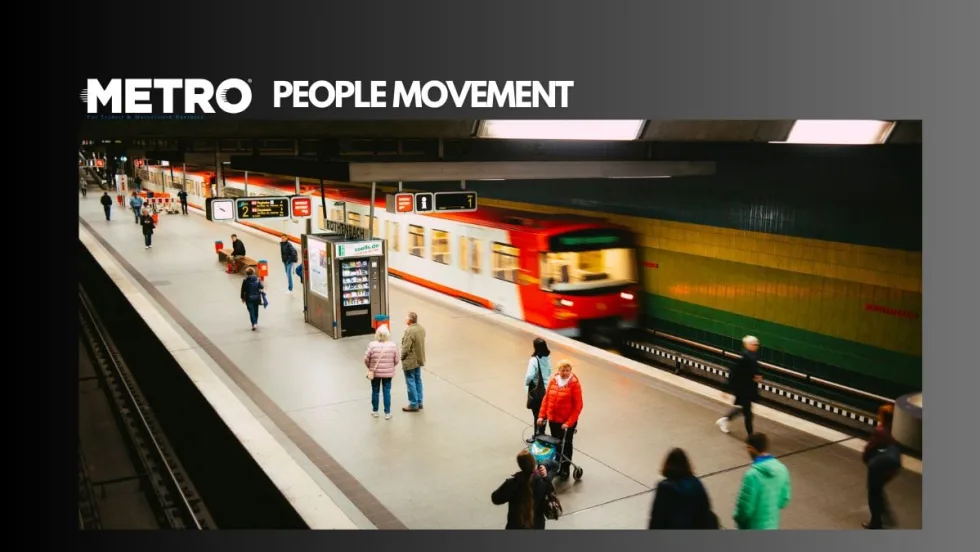
People Movement: Connectpoint Expands Leadership Team, Stadler Names New Group CEO, and More
In this edition, we also spotlight recent personnel moves at Burns, UZURV, and more, highlighting the people taking on new roles across the transportation industry.
Read More →
More Than a Summer Job: Building the Next Generation of Transit Talent
The Delaware River Port Authority and PATCO have transformed their internship program into a hands-on professional development experience that introduces students to the breadth of transportation careers — and creates a pipeline for future employees.
Read More →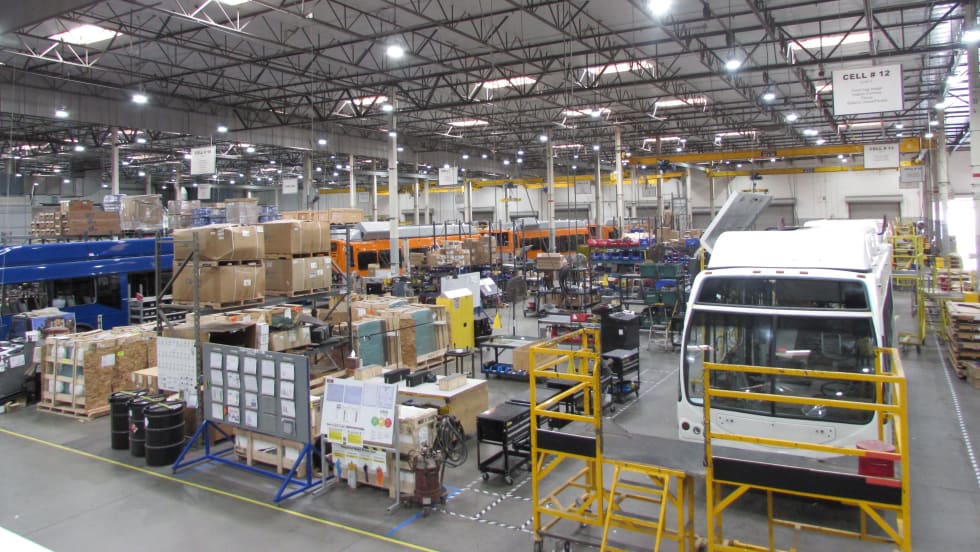
LA Metro Board Awards 220 Battery-Electric Bus Contract to ENC
The contract, which is the largest base award of battery-electric buses by a U.S. transit agency, will be built in Southern California, sustaining good jobs as LA prepares to welcome the world in 2028
Read More →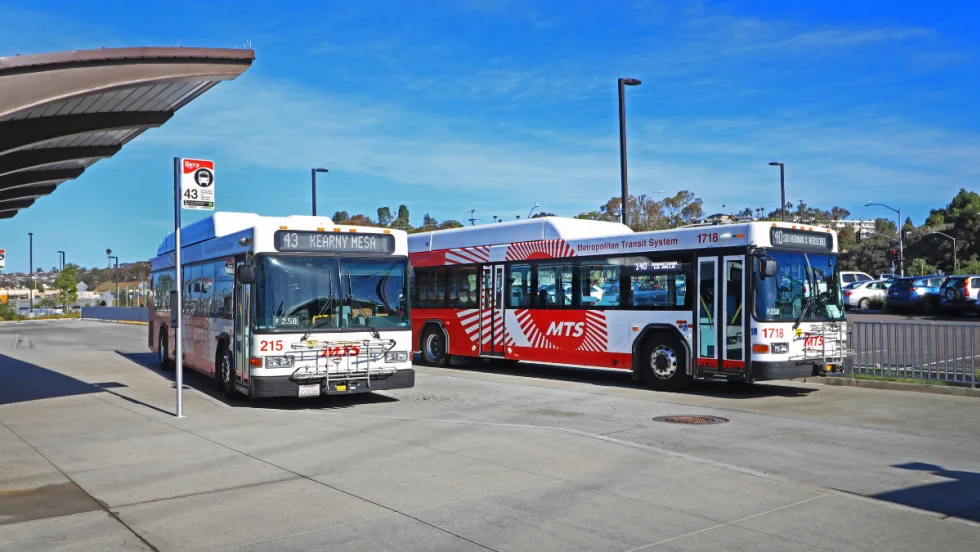
What’s Behind San Diego MTS’s Award-Winning Transit Strategy
Named one of APTA’s 2026 Outstanding Public Transportation Systems with 50 million or more annual passenger trips, California’s San Diego Metropolitan Transit System points to gains in ridership, safety, technology, and reliability as foundations of its success.
Read More →
Public Transit Conference Returning to GFX in 2027, Call for Papers Now Open
The Call for Papers is now open, allowing transit agency professionals and industry experts to help shape the PTC educational program by submitting session ideas for consideration.
Read More →
Indian River Transit’s Community-Focused Approach Earns National Recognition
Named APTA’s 2026 Outstanding Public Transportation System in its size category, Florida’s Indian River County transit system continues to grow ridership through fare-free service and a focus on evolving community needs.
Read More →
ENC Lands MATA Contract and More in Biz Briefs
In this edition of Biz Briefs, we spotlight the latest developments shaping the future of mobility.
Read More →
From Surviving to Thriving: Building Stronger Transportation Organizations
Bus Business Consultants founder Brian Dickson shares lessons on leadership, organizational health, and creating options for long-term success in a changing transportation industry.
Read More →
Everett Transit, Community Transit Outline Consolidation Agreement
The proposed agreement calls for a 50% increase in bus service in Everett, a new microtransit zone, continued paratransit service, and the transfer of Everett Transit operations to Community Transit.
Read More →
Strada360’s Steve Lassey on Turning Transit Data Into Better Decisions
From breaking down data silos to preparing for AI, Strada360 CEO Steve Lassey discusses how transit agencies can use technology to improve operations, customer information, and long-term decision-making.
Read More →