



Uzbekistan continues a strong emphasis on transportation projects
This country, with a strong stable government and significant national wealth, is undertaking numerous revitalizations of its overall transportation infrastructure and, in particular, its rail and urban public transportation.

Bordering Afghanistan, some companies turn a blind eye to projects in the central Asian country of Uzbekistan. However, this country, with a strong stable government and significant national wealth, is undertaking numerous revitalizations of its overall transportation infrastructure and, in particular, its rail and urban public transportation. Uzavtotrans Corp. is the executive organization formed by the World Bank to support the Urban Transport Project (UTP). The scope of that project includes development of urban passenger transport in the small and medium-size cities of Uzbekistan and the establishment of an urban bus leasing system. The total amount of the World Bank’s loan for UTP is currently $29 million. The Uzbek government also has dedicated approximately $2.5 million to the project so far, and recently increased the fares for public transportation throughout the country to augment the loans. The government plans to target key investment areas, including:
Provision of new buses and the establishment of a commercial leasing scheme for their allocation to competent private and state-owned operators on the basis of full cost recovery.
Rehabilitation and repair of existing buses of the state-owned operators.
Strengthening of private and state-owned urban transport operators through the provision of technical assistance, training and office and workshop equipment.
Improvements in the institutional, financial and regulatory framework for urban transport services through the provision of technical assistance, training and office equipment.
Support to the project with an implementation unit in project management and procurement through the provision of technical assistance, training, office equipment and funding of its incremental operating costs. Uzbekistan, a landlocked but strategically located country, does have developed ground transportation systems. An extensive network of buses serves most rural areas, and all sizeable towns in Uzbekistan have a public bus system. Many cities and towns also have trolleybuses, and a few of the bigger cities have trams plying central routes. Tashkent, the capital of Uzbekistan, boasts an impressive transit network with one of the most beautiful and efficient metros in the world (and the only one in central Asia). Public transport, despite the recent fare increases, is relatively cheap by western standards and is relied upon by most urban residents as a primary means of transport. With the new investments, significant opportunities exist for public transportation-related solution providers and U.S. manufacturers. Uzbekistan is also modernizing its national rail network. The country has just applied for loans from the Asian Development Bank and the Organization of Petroleum Exporting Companies to go toward the cost of its railway modernization project and tenders for rail components being released for international bids. This project’s goals are ensuring the development of transport links, the technical upgrading of rolling stock and improving the railway transport services. During the Soviet period, rail carried about 75% of Uzbekistan’s freight, excluding materials carried by pipeline. In 1993 the rail system included 2,200 miles of track. More than 600 mainline engines served the system. However, an estimated 620 miles of track are in dire need of rehabilitation, and 40% of the locomotive fleet has exceeded its service life. — MARK O’GRADY
More Management

Bus Tech Talk: Keeping Transit Technicians Ahead of the Technology Curve
In this episode of Bus Tech Talk, Complete Coach Works’ Business Development Manager Mark Hollenbeck and METRO’s Executive Editor Alex Roman sit down with Obed Mejia, Senior Technical Trainer for Bus Maintenance, at LA Metro to discuss how rapidly evolving bus technology is changing the maintenance shop — and the skills technicians need to keep pace.
Read More →
Michael Schneider Joins Paslay Group to Expand Transportation Practice
The longtime transportation executive will help Paslay Group grow its advisory and program management work across transit, highway, and other infrastructure sectors.
Read More →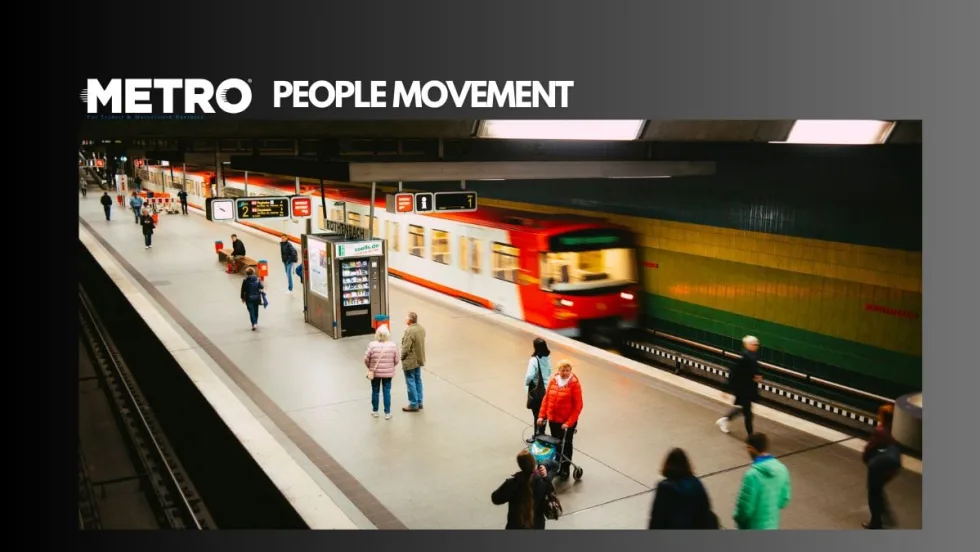
People Movement: Connectpoint Expands Leadership Team, Stadler Names New Group CEO, and More
In this edition, we also spotlight recent personnel moves at Burns, UZURV, and more, highlighting the people taking on new roles across the transportation industry.
Read More →
More Than a Summer Job: Building the Next Generation of Transit Talent
The Delaware River Port Authority and PATCO have transformed their internship program into a hands-on professional development experience that introduces students to the breadth of transportation careers — and creates a pipeline for future employees.
Read More →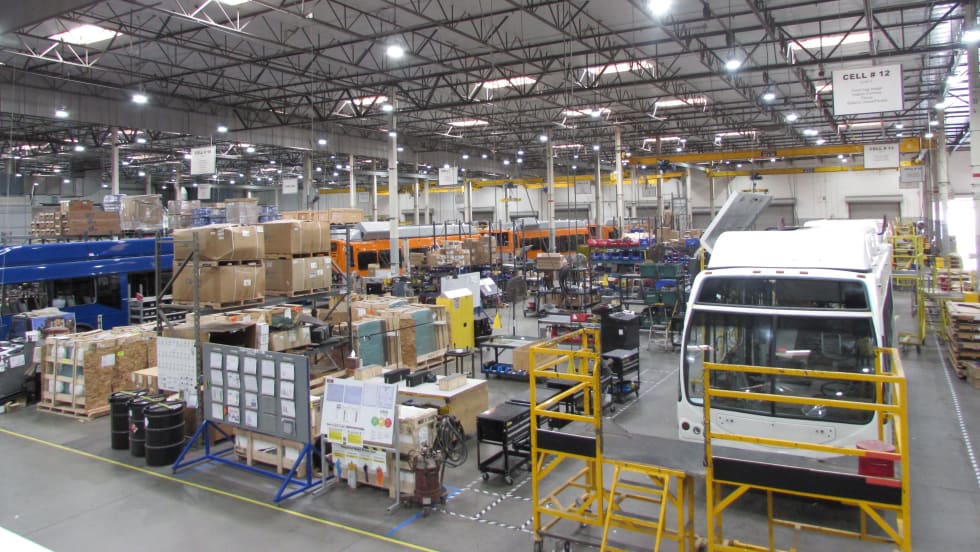
LA Metro Board Awards 220 Battery-Electric Bus Contract to ENC
The contract, which is the largest base award of battery-electric buses by a U.S. transit agency, will be built in Southern California, sustaining good jobs as LA prepares to welcome the world in 2028
Read More →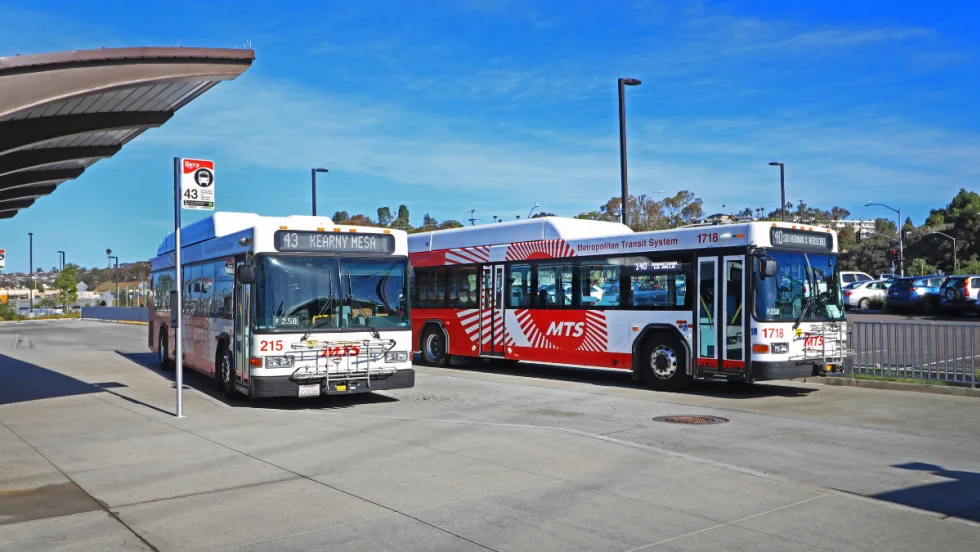
What’s Behind San Diego MTS’s Award-Winning Transit Strategy
Named one of APTA’s 2026 Outstanding Public Transportation Systems with 50 million or more annual passenger trips, California’s San Diego Metropolitan Transit System points to gains in ridership, safety, technology, and reliability as foundations of its success.
Read More →
Public Transit Conference Returning to GFX in 2027, Call for Papers Now Open
The Call for Papers is now open, allowing transit agency professionals and industry experts to help shape the PTC educational program by submitting session ideas for consideration.
Read More →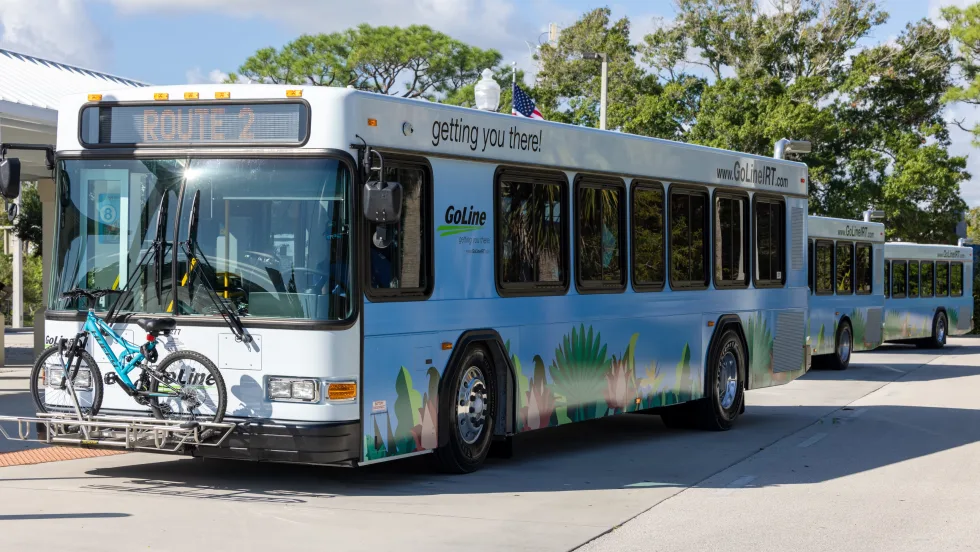
Indian River Transit’s Community-Focused Approach Earns National Recognition
Named APTA’s 2026 Outstanding Public Transportation System in its size category, Florida’s Indian River County transit system continues to grow ridership through fare-free service and a focus on evolving community needs.
Read More →
ENC Lands MATA Contract and More in Biz Briefs
In this edition of Biz Briefs, we spotlight the latest developments shaping the future of mobility.
Read More →From Surviving to Thriving: Building Stronger Transportation Organizations
Bus Business Consultants founder Brian Dickson shares lessons on leadership, organizational health, and creating options for long-term success in a changing transportation industry.
Read More →