



What’s really the purpose of federally sponsored R&D in public transport?
Recently, the California consortium of public and private-sector transportation organizations known as Westart (formerly Calstart) launched a high-profile design competition for bus rapid transit.
Recently, the California consortium of public and private-sector transportation organizations known as Westart (formerly Calstart) launched a high-profile design competition for bus rapid transit. Titled “Bus Rapid Transit and the American Community,” the competition is drawing interest from all over the world, not just the United States, says Fred Silver, competition manager for the project. It also has publicity and some funding support from the Federal Transit Administration. In launching the project, Silver comments that “bus design hasn’t really changed all that much since the 1920s,” and he hopes that those interested in submitting a design in the competition will rethink how the bus is made and used “from the ground up.” Sound familiar? It should, because those are very similar words to those uttered at the launch of the FTA’s early-to-mid 1990s Advanced Technology Transit Bus (ATTB) project. It, too, had widespread industry support, including a team of suppliers and transit systems from around the country, to design a new-generation bus “with a clean sheet of paper.” What are we trying to do? Despite all of the ATTB’s advanced components, much of which came from the aerospace community and some of which are being used in today’s vehicles on the marketplace, the bus still is a quadrahedron on four wheels—in a strict sense, looking similar to buses introduced in the 1920s. Is that really the point though? After all, buses, under the hood and inside, hardly resemble those of a decade ago, much less at their inception. In fact, so sophisticated are these new features that mechanic and technician training is becoming a growing industry challenge, say maintenance executives and consultants. “We definitely learned some lessons of how to conduct research programs and, frankly, what not to do in the ATTB project,” says FTA Associate Administrator for Research and Demonstration Edward Thomas. One of the mistakes frequently cited is the selection of specific manufacturers to join the ATTB team. It especially became a problem when the bus builder selected, Transportation Manufacturing Corp., had financial difficulties. The process resembled many in the industry with regard to how many European nations and Japan select “national champions” in state-sponsored research programs as part of an overall industrial policy that used to include preferential treatment in procurements. European rules started to dismantle that regime there. It also smacked of several previous high-profile R&D programs that were deemed less than successful in the industry. One, called Transbus, also spent significant amounts of money to invent the “bus of the future,” but when it came time for the industry to issue a tender no one on the supply side would bid on the specifications. Another project on the rail side of the industry, the Standard Light Rail Vehicle, again started with high hopes but floundered after San Francisco and Boston began having operational problems with the cars. Some even say that the so-called 2G crash-resistance standard so common in light rail vehicle specifications had its genesis in the ill-fated SLRV program. Thus, in a way, these huge megaprojects have actually hindered innovations. Instead, the FTA now funds many more small projects through programs such as the Transit Cooperative Research Program. Those projects have a much more specific mission or address a more focused research question. Finding the right balance Yet, some are worried that the direction of the national research agenda is heading too much toward applications and is leaving some worthy research projects off the table because they lack immediate payoff for sponsors. Westart’s Silver says his project addresses that concern with a jury selected from both the industry and expertise outside it. His program’s aim is to push existing research on BRT beyond where it would be anyway, yet have a practical application.
More Management

Bus Tech Talk: Keeping Transit Technicians Ahead of the Technology Curve
In this episode of Bus Tech Talk, Complete Coach Works’ Business Development Manager Mark Hollenbeck and METRO’s Executive Editor Alex Roman sit down with Obed Mejia, Senior Technical Trainer for Bus Maintenance, at LA Metro to discuss how rapidly evolving bus technology is changing the maintenance shop — and the skills technicians need to keep pace.
Read More →
Michael Schneider Joins Paslay Group to Expand Transportation Practice
The longtime transportation executive will help Paslay Group grow its advisory and program management work across transit, highway, and other infrastructure sectors.
Read More →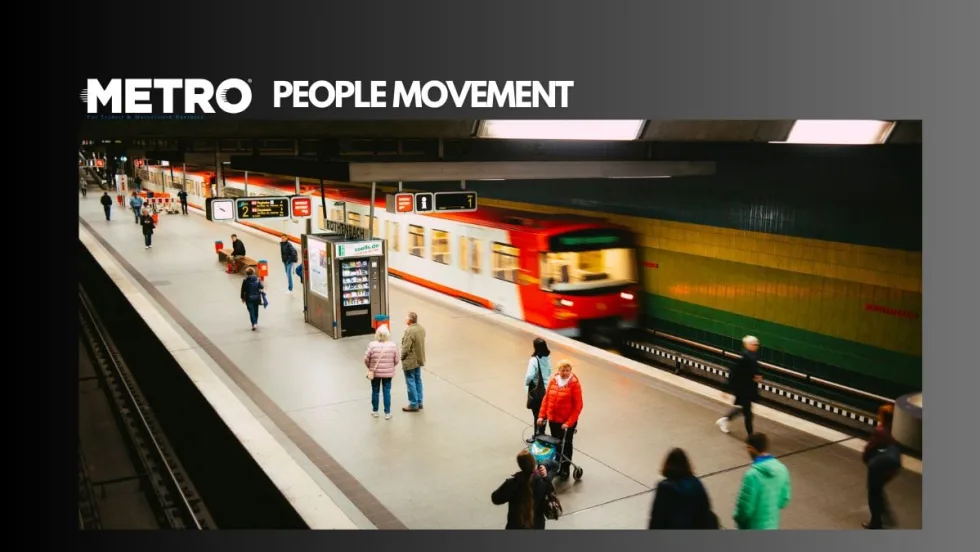
People Movement: Connectpoint Expands Leadership Team, Stadler Names New Group CEO, and More
In this edition, we also spotlight recent personnel moves at Burns, UZURV, and more, highlighting the people taking on new roles across the transportation industry.
Read More →
More Than a Summer Job: Building the Next Generation of Transit Talent
The Delaware River Port Authority and PATCO have transformed their internship program into a hands-on professional development experience that introduces students to the breadth of transportation careers — and creates a pipeline for future employees.
Read More →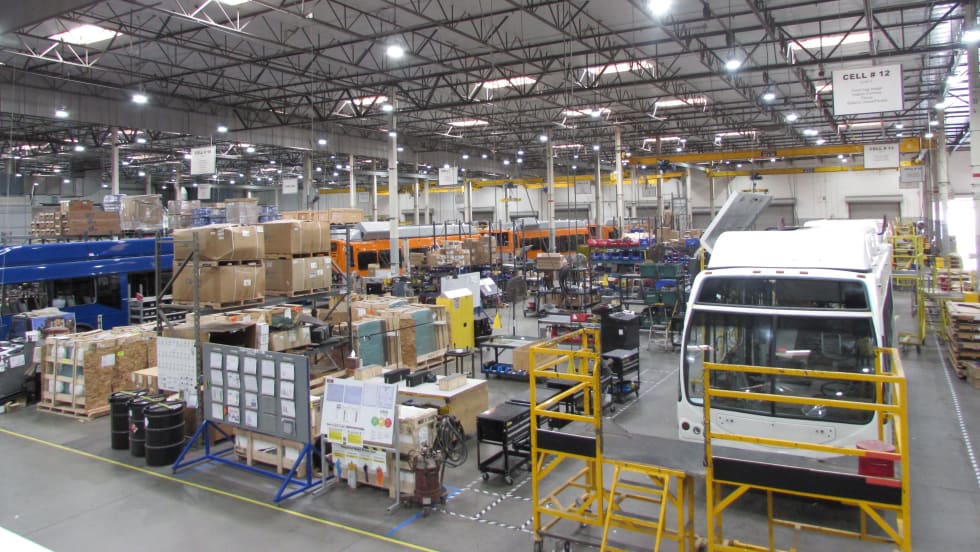
LA Metro Board Awards 220 Battery-Electric Bus Contract to ENC
The contract, which is the largest base award of battery-electric buses by a U.S. transit agency, will be built in Southern California, sustaining good jobs as LA prepares to welcome the world in 2028
Read More →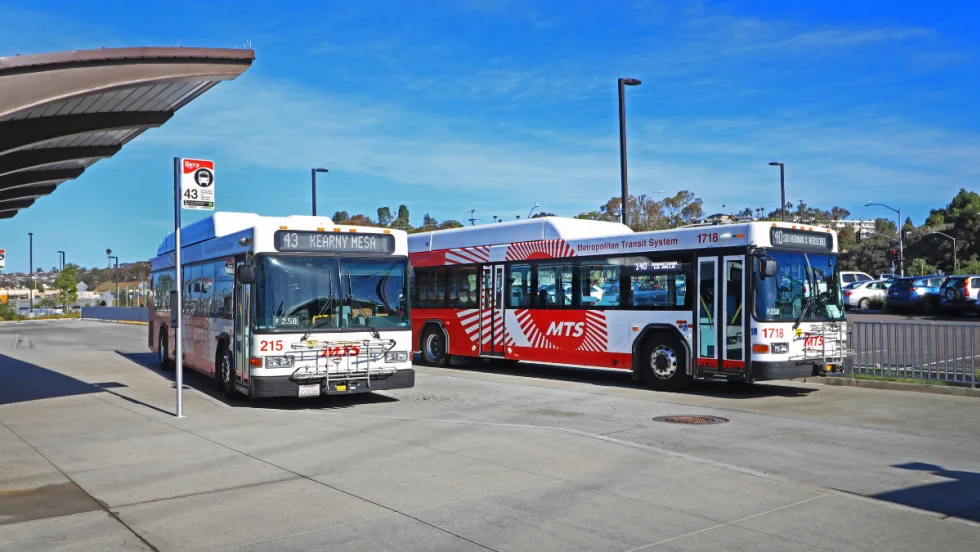
What’s Behind San Diego MTS’s Award-Winning Transit Strategy
Named one of APTA’s 2026 Outstanding Public Transportation Systems with 50 million or more annual passenger trips, California’s San Diego Metropolitan Transit System points to gains in ridership, safety, technology, and reliability as foundations of its success.
Read More →
Public Transit Conference Returning to GFX in 2027, Call for Papers Now Open
The Call for Papers is now open, allowing transit agency professionals and industry experts to help shape the PTC educational program by submitting session ideas for consideration.
Read More →
Indian River Transit’s Community-Focused Approach Earns National Recognition
Named APTA’s 2026 Outstanding Public Transportation System in its size category, Florida’s Indian River County transit system continues to grow ridership through fare-free service and a focus on evolving community needs.
Read More →
ENC Lands MATA Contract and More in Biz Briefs
In this edition of Biz Briefs, we spotlight the latest developments shaping the future of mobility.
Read More →From Surviving to Thriving: Building Stronger Transportation Organizations
Bus Business Consultants founder Brian Dickson shares lessons on leadership, organizational health, and creating options for long-term success in a changing transportation industry.
Read More →