



What's the next stage in integration of intelligent technology?
Here we take a look at the impact of some of these new technologies, the role REI is playing in their evolution, and what the future of integrated tech may hold.
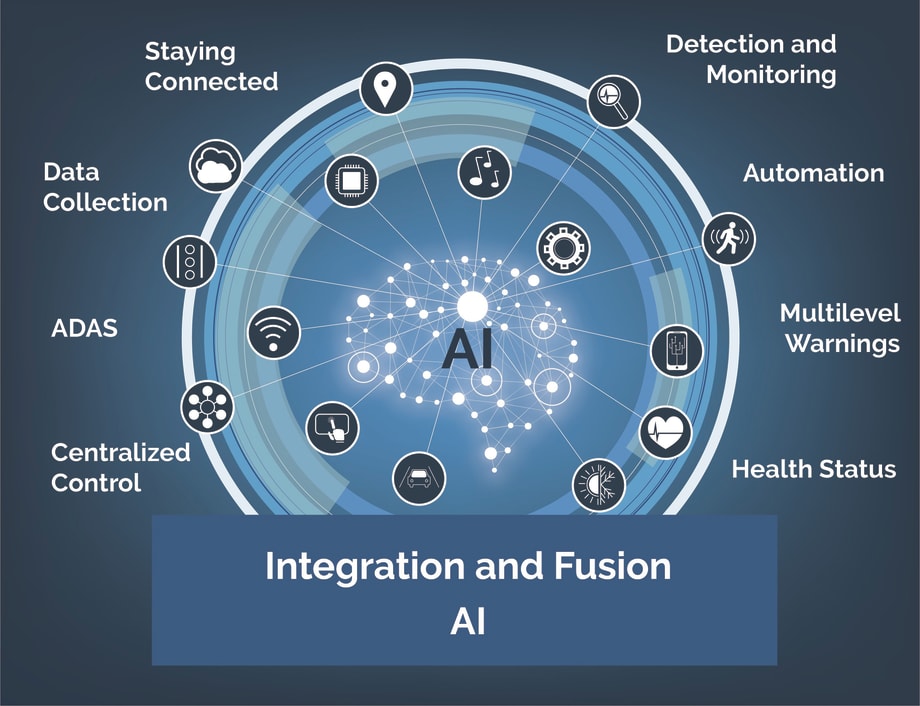
Through integration of advanced electronics, vehicles are becoming smarter, more connected, safer, and easier to use.
REI
Through integration of advanced electronics, vehicles are becoming smarter, more connected, safer, and easier to use.
REI
New electronic technology is redefining the motorcoach industry through existing entertainment systems and the introduction of new and exciting concepts that enhance both the passenger and driver experience.
Through integration of this technology, vehicles are becoming smarter, more connected, safer, and easier to use. These complex and intelligent electronics provide the driver with multilevel monitoring, detection, notifications, and other Advanced Driver-Assistance Systems (ADAS), while a centralized touch controller Human-to-Machine Interface (HMI) allows for a complete, simple, and seamless operation of all subsystems for both the driver and passengers.
METRO spoke to REI’s Rock Tarnick, VP, engineering and manufacturing; David Chavez, sr. electronics systems engineer; and Jay Nemec, OEM account manager, about the impact of some of these new technologies, the role REI is playing in their evolution, and what the future of integrated tech may hold.
What are some of the benefits of these technologies to transit and motorcoach companies, drivers, and passengers?
Chavez: The systems are going to allow operators to simplify their fleet management and have real-time views of fleets to see where vehicles are located. Down the line, they will allow for automatic troubleshooting and status alerts of the vehicles.
From a passenger's standpoint, what kind of benefits are they seeing?
Tarnick: They are seeing the future and what they expect to have in a connected vehicle, including Wi-Fi access, streaming video content, and Bluetooth accessibility to various media sources — just a more integrated experience.
Chavez: Also, with safety announcements, we have media players that are automatically displaying or giving the customers information at strategic points based on GPS triggers. For example, pre-tour safety announcements or automated tour guide announcements can be preset and played during a tour.
Is REI moving ahead with this based on feedback they receive from operators, or is the company pioneering some of this tech?
Tarnick: We are moving forward based on advanced research and consider feedback we receive from OEM customers that we deal with very closely. We monitor the industry, in general, and the automotive industry, and work with several partners throughout the world to research and develop these types of applications. We’re working to advance all the ADAS-type systems and to incorporate advanced machine learning and artificial intelligence.
How quickly is this technology changing and where are we today?
Chavez: One of the technologies we’re focusing on is driver assistance. There are many technologies that are available separately and are now being combined to make the vehicle even more connected and safer. For example, radar object detection is being merged with a 3D, 360-degree system. The driver now has multilevel awareness. When backing up, a driver can see a live camera image and receive a second-level audible alert as radar is detecting objects that may be in their blind spot. That’s one example of where technology was and where it’s going. Not only that, but it also ties into the vehicle’s computer system to provide adaptive guidelines as the vehicle is turning. The driver knows exactly how the wheels are turned, so they can predict where the vehicle is going and detect obstructions.
And this tech is just beginning to emerge, right?
Tarnick: Yes, it’s emerging as we speak. Like autonomous vehicles at their various stages; self-learning; AI; and the vision-type systems that will automatically see and detect a drowsy driver or a driver using a cell phone, and different types of applications for facial recognition of passengers as they’re coming and going.
How are these systems taking us one step closer to AI?
Tarnick: REI has made a huge investment in moving forward in these areas. We have an AI department staffed by experienced engineers that are working in these types of machine learning, vision learning and AI applications. It’s something, we project, will be a big part of our industry and business.
What do you feel is going to be the future of these technologies?
Tarnick: There are five stages on a vehicle before you get to full autonomy. It may happen someday, but it’s not in the foreseeable future. As we move forward, the autonomy will assist an owner-operator and passengers, giving them features that aid in their everyday operation and make things simpler. It will allow them to do things like onboarding and off-boarding-type videos. As people come and go, it will detect faces and determine who is onboard, which will help in tracking against passenger lists. You could even do e-commerce, with different touring options and onboard purchases of various items. There is just a lot of potential.
Chavez: Also, with the vehicles being connected to the internet, which is not so far into the future, it will allow operators to communicate between the vehicles to make sure they have the most recent updates. For instance, if there’s a tour change or something of that nature. In addition, if there is an event on the road, video can be sent back automatically to operations and be downloaded — that’s where the connection exists. Being connected allows the actual customer to manage their fleets and rank their drivers according to speed limit violations, hard braking, or not using their turn signals.
As far as a learning curve when implementing a system, what type of feedback are you getting from operators and its ease of use for teams?
Nemec: One of the strengths of REI is how we are integrating these systems into the bus and into our systems. We ensure that integration is very seamless for operators to use our systems and to interact with them.
Omaha, Nebraska-based REI designs, manufactures and services surveillance, fleet management, safety, and entertainment solutions for the global transportation industry.
More Technology

From Hardware to Digital Partner: Luminator Charts Its Next Chapter
CEO Magnus Friberg discusses Luminator’s shift toward becoming a digital partner, the growing importance of software and interoperability, and how AI can help agencies improve operations and passenger experience.
Read More →
Beyond the Checklist: A Structured Approach to Transit Maintenance
Reliability-Centered Maintenance helps transit agencies move beyond routine checklists to focus limited resources on the assets and failures that have the greatest impact on safety, reliability, and service.
Read More →
NJ TRANSIT Advances Bus Technology Upgrades Across Statewide Fleet
More than 1,500 buses now feature upgraded technology designed to improve arrival predictions and provide free Wi-Fi, with deployment expected to reach nearly 2,000 buses by the end of 2026.
Read More →

Building a Flexible Path to Transit Electrification
John Hroncich discusses BAE Systems’ modular and scalable approach, lessons learned from decades of real-world operations, and how agencies can identify electrification strategies that fit their fleets.
Read More →
Biz Briefs: Alstom Lands Canadian Contract, LYT to Supply California TSP, and More
In METRO's latest installment, we take a look at recent news from Complete Coach Works, Beep, FlixBus, and more partnerships making headlines across the transportation sector.
Read More →
From Legacy Silos to Conversational Intelligence
What if transit leaders could ask any operational question and get a trusted answer in seconds? Conversational AI is transforming how agencies use their data.
Read More →
USDOT Announces Rail Vehicle Replacement Grants, Chattanooga AV Shuttle Funding
More than $191 million in federal funding will help three transit agencies replace aging rail vehicles and support a new autonomous shuttle service in Chattanooga.
Read More →
Bus Tech Talk: Keeping Transit Technicians Ahead of the Technology Curve
LA Metro’s Obed Mejia discusses technician training, evolving maintenance technology, fleet replacement, and strategies for getting the most out of today’s transit fleets.
Read More →
Biz Briefs: RIPTA Unveils New Frontrunners, Clevland RTA Adds New Siemens, and More
In METRO's latest installment, we take a look at recent news from Siemens, Prevost, Dodge, and more partnerships making headlines across the transportation sector.
Read More →
Why Simulating Pedestrian Movement Has Become Essential for Modern Rail Stations
Pedestrian microsimulation is helping rail planners identify bottlenecks, test station designs, and prepare complex transit hubs for growing passenger volumes.
Read More →