



Why Standards Are Critical to Industry Quality Improvement
Key figures behind the Transit Standards Consortium and the Society of Automotive Engineers comment on joint projects. Second of two parts.

Last issue METRO reported that the Society of Automotive Engineers (SAE) agreed to develop standards for transit buses. In this second part of a conversation with METRO Associate Publisher/Editor Cliff Henke, several officials behind the agreement discuss what it all means. Again, the discussion includes Halsey King, an internationally known maintenance consultant and member of the SAE board; Eva Lerner-Lam, president of the consulting firm Palisades Group and a founding member of the Transit Standards Consortium (TSC); Edward Thomas, associate administrator of research and technology for the Federal Transit Administration (FTA); Richard Cox, advanced technologies program manager for SAE and interim president of the TSC; and Robert “Buzz” Paswell, current chairman of the TSC and a professor of engineering at the City University of New York in Stony Brook, N.Y. What do each of you think are the most important benefits more bus standards can bring to the industry?Buzz Paswell: I’ll go first if I may. Standards intersect with all stakeholders’ needs. I used to run the Chicago Transit Authority in a former life, and there I learned that someone has to implement all these great new technologies and ideas, where the rubber meets the road, so that they actually work to serve riders. Standards are a very good way to make sure that happens. Halsey King: From my perspective as a maintenance consultant and SAE board member, I think the two most important benefits of standards in the way they are developed by SAE are the development of proper onboard interface standards as new technologies are introduced on buses and the training that will be developed. Very often maintenance tool needs and training are not considered when new technologies are added on buses. Speaking of maintenance and operational issues, last time we discussed the “12 in 12 initiative” [a program to develop and implement 12 standards in 12 months to jump-start bus standards development]. What is the timetable?Eva Lerner-Lam: Generally speaking, the project, which will be funded by a small Transit Cooperative Research Project, will spend the next two months or so making sure that it gets all of the industry’s institutional relationships right. The clock will start ticking on the 12 months, probably with a kickoff sometime in the spring of 2001. We are on completely new ground here. Our goal is to get consensus standards that everyone will use. The Standard Bus Procurement Guidelines process was a good effort, but the guidelines are not being used by most transit agencies, although it is getting better. We need to create a process that results in standards that will be used. Edward Thomas: One of the things that was missing with the Standard Bus Procurement Guidelines was education and training. For ITS standards, training and monitoring progress are part of the standards development program. When you start to get into technical standards it also gets very complicated. Transit in the U.S. is not just composed of 40-footers; we have 30-foot buses, artics and some properties are even talking about double-artics. Paswell: A critical part of developing consensus standards is dealing with all the concerns, mindsets and institutions at work in the industry. Standards will have an impact on operations, training and facilities in some cases. You cannot change institutions overnight. In fact, the process can only move forward property by property. That’s why education and outreach are so important in the process. Lerner-Lam: That’s why the TSC and the Transit Communications Interface Protocol (TCIP) project taught the industry important lessons about how to go forward in standards development. TCIP was a grassroots effort started in the early 1990s and it filled a real void in the industry’s ITS program. It started because transit was the tail of the ITS dog. The Federal Highway Administration’s TRAVINFO program, created to demonstrate how travelers could access information about highway congestion, transit schedules and location of the next bus or train, was the epitome of that. It showed that there needed to be good data interface standards so the information can be shared seamlessly between transit and highway purposes in real-time. In those days, information was being re-entered manually in computers. At the TRB Annual Conference in 1996, we all got stuck in Washington, D.C., in a blizzard. We ended up in the Sheraton Hotel’s bar, frustrated at not being able to go home but also frustrated over this interface issue. We started brainstorming and I began to take notes. Out of this discussion in the bar, the TCIP open data interface standards were born. We floated the idea around several places and it found a home at the Institute of Transportation Engineers, which became the TCIP standards development organization. Today, there are more than 830 people working on more than 120 standards in 53 subgroups, going through more than 6,500 pages of draft standards. The way that the TSC was developed was also at the grassroots. Some of us started to get concerned that after two years of effort, we were losing momentum. The federal government’s support only covered standards development, but not the testing and education issues that Halsey raised. We begin to think, do we all just pack up and go home now? The TSC was then born as an institution to do testing and education. Yet, as soon as we got the TSC up and running, we realized the TCIP standards were limited and needed to be expanded, and that we needed to develop other institutional relationships. That’s how the SAE can help and why we formed the new alliance. King: Two other examples where wider outreach is needed are the bus applications of the various SAE standards for onboard data communications and the coming 42-volt electrical systems. Transit had to work to adapt the J1708 standard because it was originally developed for trucks and there have been problems, as I said earlier, with how maintenance gets affected. In the same way, transit needs to make sure that the 42-volt systems now being developed for small vans, paratransit vehicles, trucks and automobiles will make sense for transit buses and motorcoaches—and they need to have a seat at the table as standards are being written. Richard Cox: SAE views the standards it develops as having a life cycle. First, as standards are researched, we must make a business case for having a standard in the first place. How the standard is implemented, including the need for training and liability issues, are also considered. Another part of the process is building in a review and revision stage, and then the life cycle starts all over again. Most importantly, this is a consensus process, and the interests of all the stakeholders must be balanced. What role has the federal government played in this effort and what does it expect from this relationship between these organizations?Thomas: The FTA had been a strong proponent of transit standards, specifically the TSC as a fledgling organization. We can help foster and support consensus industry standards; in fact, federal law directs us to do so. We can also help the industry compete in the world. When it comes to international standards bodies, the U.S. tends to get outvoted by European countries, which are trying to harmonize national standards into European ones so a united front is in their best interest. One of the things that we can do to help our suppliers grow is develop relationships in other countries so we are accepted there, and we at the FTA have begun to do that in our international programs. The bus rapid transit demonstration program highlights the need for upgrading technology. Many U.S. cities are starting to look outside this country to do that and there have been some concerns raised with respect to Buy America. That’s another reason why we all will learn a great deal with the 12 in 12 initiative. If we can implement some standards from other industries so that technologies can be quickly introduced in transit buses, many of these concerns can be addressed.
More Management
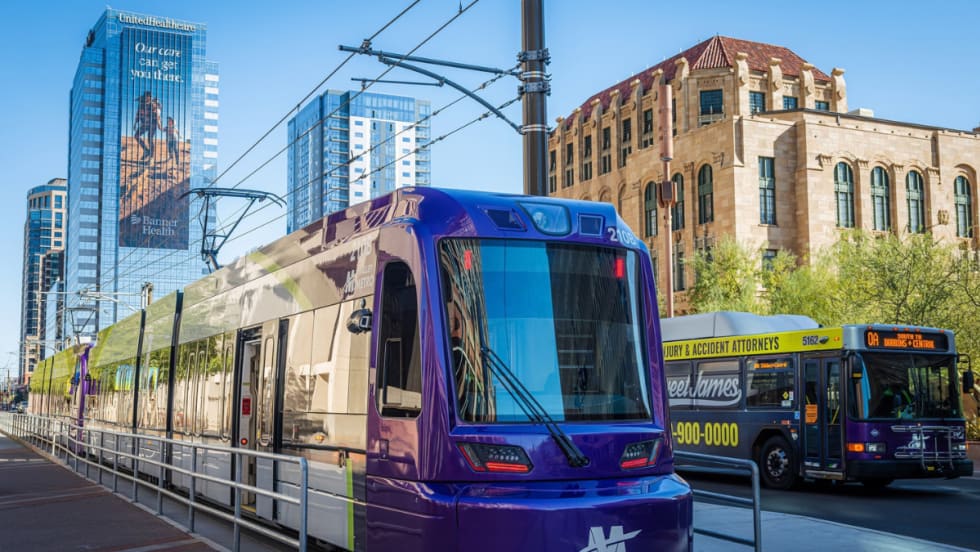
How Valley Metro Is Balancing Transit Growth With the Rider Experience
The APTA award-winning agency is pairing rapid system expansion with investments in workforce, safety, technology, and the fundamentals of transit service.
Read More →
Bus Tech Talk: Keeping Transit Technicians Ahead of the Technology Curve
In this episode of Bus Tech Talk, Complete Coach Works’ Business Development Manager Mark Hollenbeck and METRO’s Executive Editor Alex Roman sit down with Obed Mejia, Senior Technical Trainer for Bus Maintenance, at LA Metro to discuss how rapidly evolving bus technology is changing the maintenance shop — and the skills technicians need to keep pace.
Read More →
Michael Schneider Joins Paslay Group to Expand Transportation Practice
The longtime transportation executive will help Paslay Group grow its advisory and program management work across transit, highway, and other infrastructure sectors.
Read More →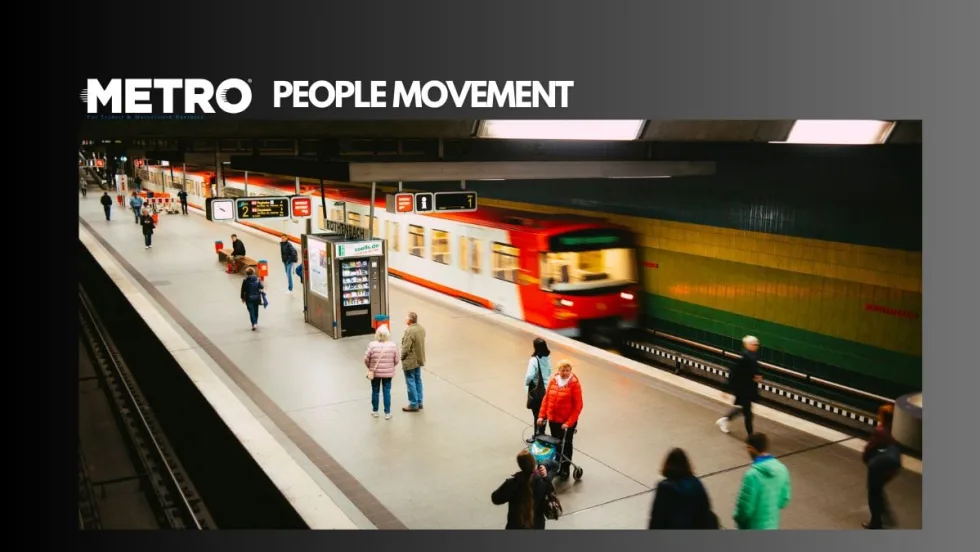
People Movement: Connectpoint Expands Leadership Team, Stadler Names New Group CEO, and More
In this edition, we also spotlight recent personnel moves at Burns, UZURV, and more, highlighting the people taking on new roles across the transportation industry.
Read More →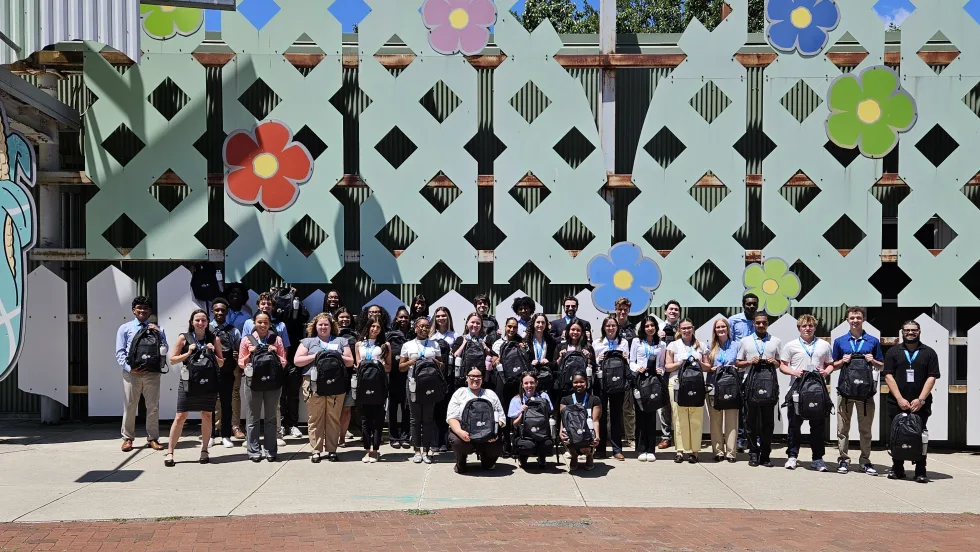
More Than a Summer Job: Building the Next Generation of Transit Talent
The Delaware River Port Authority and PATCO have transformed their internship program into a hands-on professional development experience that introduces students to the breadth of transportation careers — and creates a pipeline for future employees.
Read More →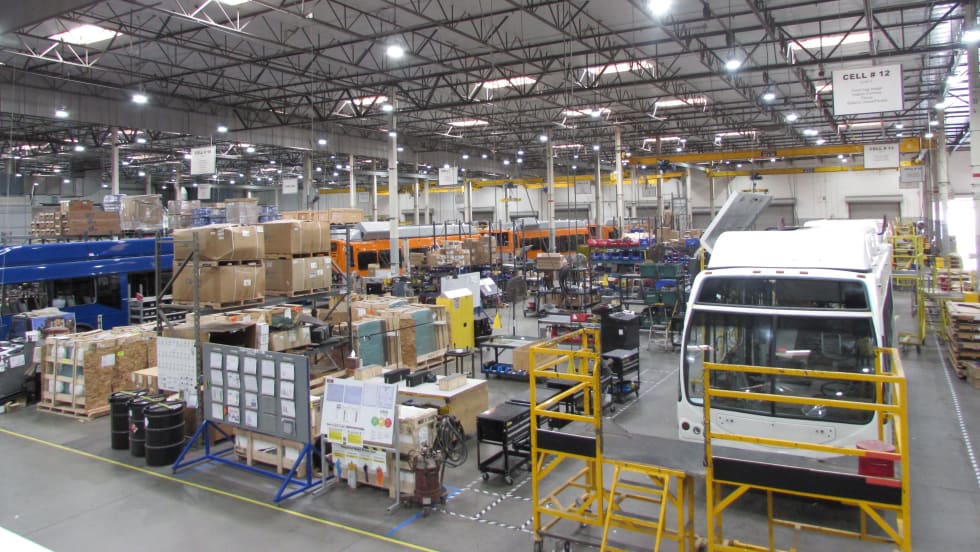
LA Metro Board Awards 220 Battery-Electric Bus Contract to ENC
The contract, which is the largest base award of battery-electric buses by a U.S. transit agency, will be built in Southern California, sustaining good jobs as LA prepares to welcome the world in 2028
Read More →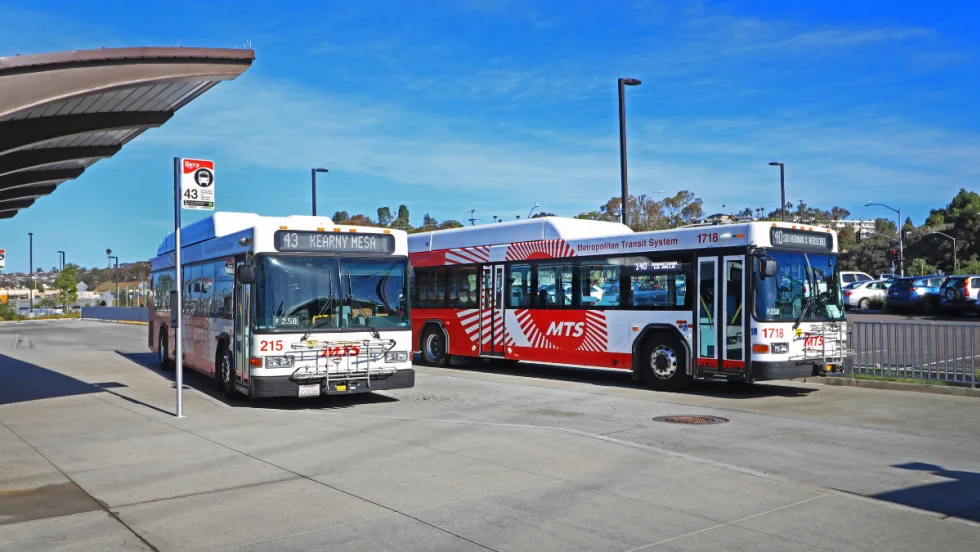
What’s Behind San Diego MTS’s Award-Winning Transit Strategy
Named one of APTA’s 2026 Outstanding Public Transportation Systems with 50 million or more annual passenger trips, California’s San Diego Metropolitan Transit System points to gains in ridership, safety, technology, and reliability as foundations of its success.
Read More →
Public Transit Conference Returning to GFX in 2027, Call for Papers Now Open
The Call for Papers is now open, allowing transit agency professionals and industry experts to help shape the PTC educational program by submitting session ideas for consideration.
Read More →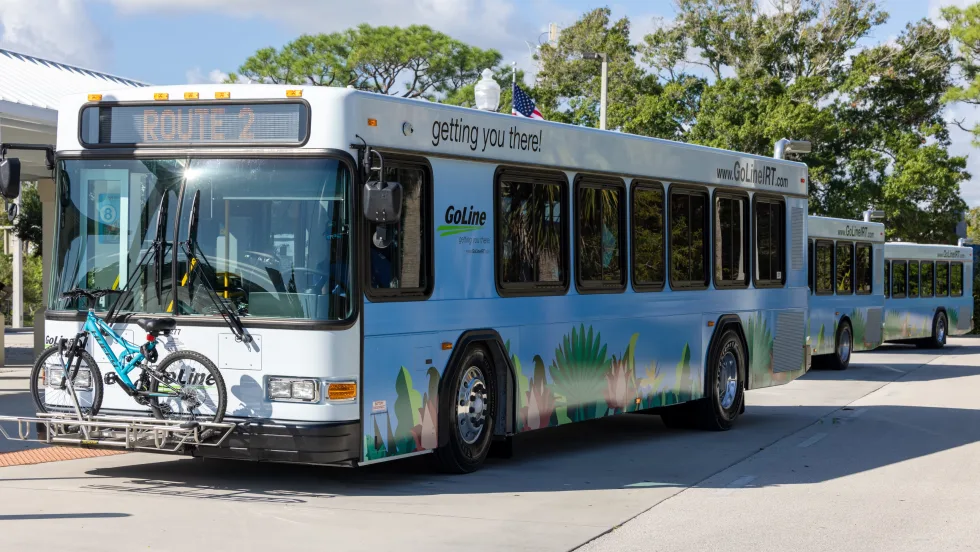
Indian River Transit’s Community-Focused Approach Earns National Recognition
Named APTA’s 2026 Outstanding Public Transportation System in its size category, Florida’s Indian River County transit system continues to grow ridership through fare-free service and a focus on evolving community needs.
Read More →
ENC Lands MATA Contract and More in Biz Briefs
In this edition of Biz Briefs, we spotlight the latest developments shaping the future of mobility.
Read More →