



Winning BRT concepts on the drawing board
The FTA, in conjunction with WestStart, launched a vehicle design competition late last year called "Bus Rapid Transit and the American Community." Here are the winners.
The Federal Transit Administration's initiative to expand the use of bus rapid transit (BRT) around the country has spawned small but successful programs in several communities. To build upon these successes, the FTA, in conjunction with WestStart, launched a vehicle design competition late last year called "Bus Rapid Transit and the American Community." Dangled in front of the competitors was $100,000 in prize money. Entrants were encouraged to break away from traditional thinking and to explore new BRT vehicle concepts that might reduce traffic congestion and improve air quality. Lifting BRT's image WestStart's Fred Silver, competition manager for the project, said he hoped the event would create a grass-roots interest in BRT and its advancement. "What we have today just doesn't work," he said. "The capacity isn't high enough." But he stopped short of saying that any of the winning designs would be seriously considered for manufacture. More important, he said, was the need to encourage conceptual thinking about bringing innovative BRT service to communities across the country. "We want to have a significant impact on what's perceived to be the next generation of transit," Silver said. "Image is an important issue." The competition drew 59 entries from teams in seven countries. Each team was required to have a multidisciplinary makeup. About half of the teams were composed of college students. The winners are. . . Here are summaries of the winning projects in the four high-level categories: SMRTram-ITS. This system, designed for Baltimore Harbor, supports narrow buses using a dedicated single-lane guideway. Using smart technologies, the system enables multiple vehicles to operate on-grade in both directions simultaneously. This eliminates the need for two dedicated lanes. The vehicles are relatively small, mostly transparent, quiet and move at pedestrian-friendly speeds of 12 to 15 mph. The entry was submitted by the Village Technology Team in Annapolis, Md. ROADRAIL. This system was designed for Portland, Maine, and uses vehicles that function both as ultralight commuter trains and as buses. The self-propelled road and rail vehicles can navigate traditional routes through Portland's intricate street network as well as rail routes through heavily used commuter corridors. The vehicles are designed in a modular fashion that supports low-cost development and allows them to be manufactured as smaller shuttle buses. Submitted by Portland & Co. Innovative Bus Design for the Future of South Miami. This winning entry envisions a vehicle with a futuristic aerodynamic design that is twice as long as a conventional bus and environmentally friendly. The articulated bus could carry as many as 200 passengers at a maximum speed of 60 mph along an eight-mile exclusive busway. It would adopt a motor-in-wheel arrangement as a propulsion system powered by fuel cells. The entry was submitted by Toyota Motor Corp. CitySurfer. This system was designed for Honolulu and features a fuel cell-powered bus that has a series of waves in its design and shape. The focus is on creating a heightened experience for the urban commuter. It includes a variety of passenger information systems and amenities, such as telecommunication ports, digital entertainment systems and computers with Internet access. The entry was submitted by students as the University of Hawaii at Manoa.
More Management

Bus Tech Talk: Keeping Transit Technicians Ahead of the Technology Curve
In this episode of Bus Tech Talk, Complete Coach Works’ Business Development Manager Mark Hollenbeck and METRO’s Executive Editor Alex Roman sit down with Obed Mejia, Senior Technical Trainer for Bus Maintenance, at LA Metro to discuss how rapidly evolving bus technology is changing the maintenance shop — and the skills technicians need to keep pace.
Read More →
Michael Schneider Joins Paslay Group to Expand Transportation Practice
The longtime transportation executive will help Paslay Group grow its advisory and program management work across transit, highway, and other infrastructure sectors.
Read More →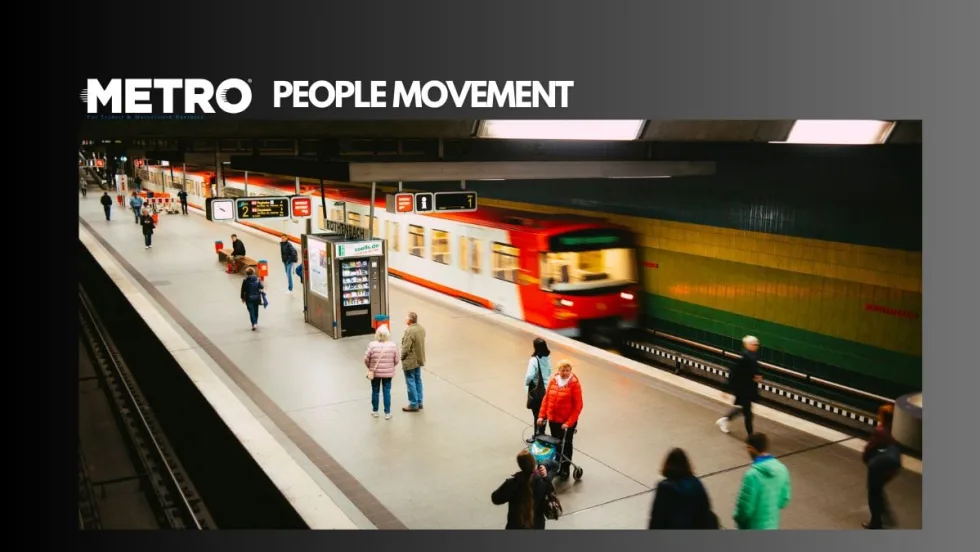
People Movement: Connectpoint Expands Leadership Team, Stadler Names New Group CEO, and More
In this edition, we also spotlight recent personnel moves at Burns, UZURV, and more, highlighting the people taking on new roles across the transportation industry.
Read More →
More Than a Summer Job: Building the Next Generation of Transit Talent
The Delaware River Port Authority and PATCO have transformed their internship program into a hands-on professional development experience that introduces students to the breadth of transportation careers — and creates a pipeline for future employees.
Read More →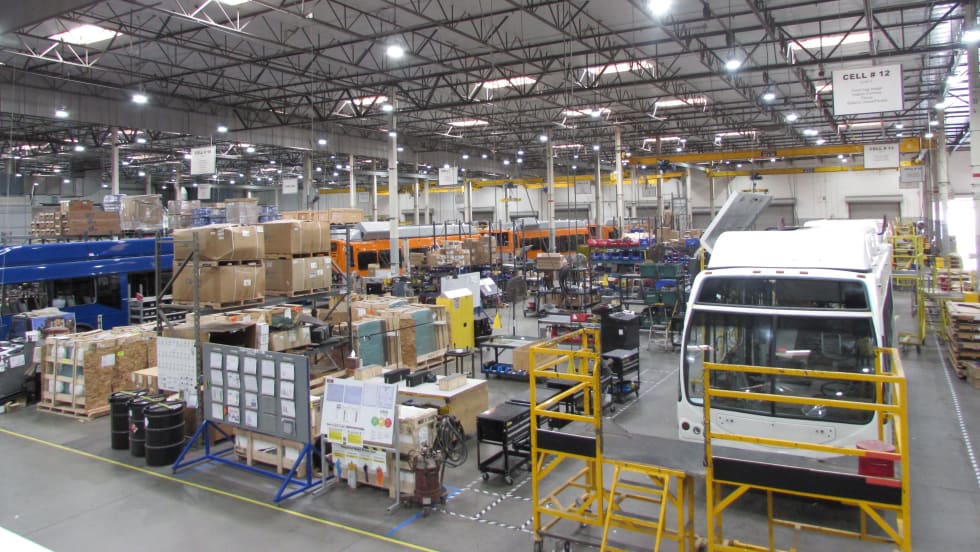
LA Metro Board Awards 220 Battery-Electric Bus Contract to ENC
The contract, which is the largest base award of battery-electric buses by a U.S. transit agency, will be built in Southern California, sustaining good jobs as LA prepares to welcome the world in 2028
Read More →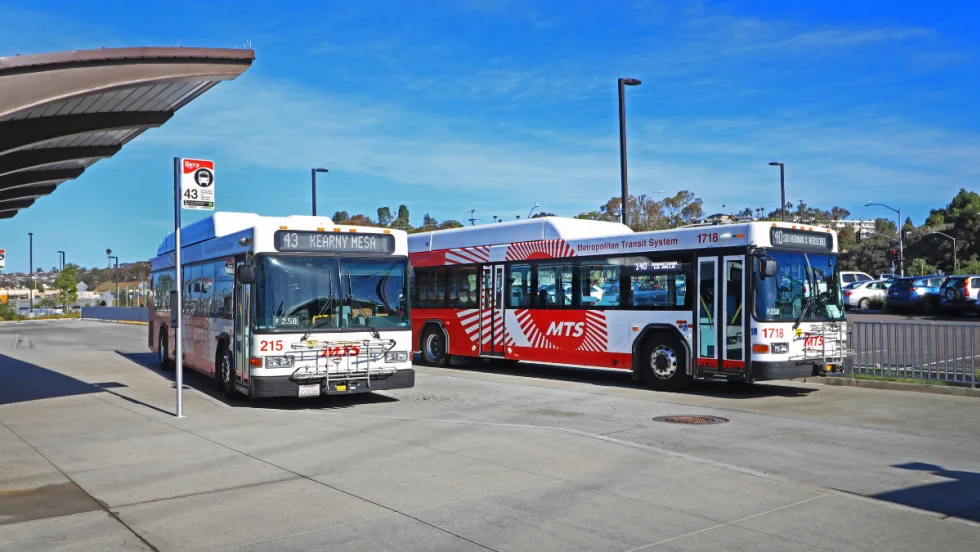
What’s Behind San Diego MTS’s Award-Winning Transit Strategy
Named one of APTA’s 2026 Outstanding Public Transportation Systems with 50 million or more annual passenger trips, California’s San Diego Metropolitan Transit System points to gains in ridership, safety, technology, and reliability as foundations of its success.
Read More →
Public Transit Conference Returning to GFX in 2027, Call for Papers Now Open
The Call for Papers is now open, allowing transit agency professionals and industry experts to help shape the PTC educational program by submitting session ideas for consideration.
Read More →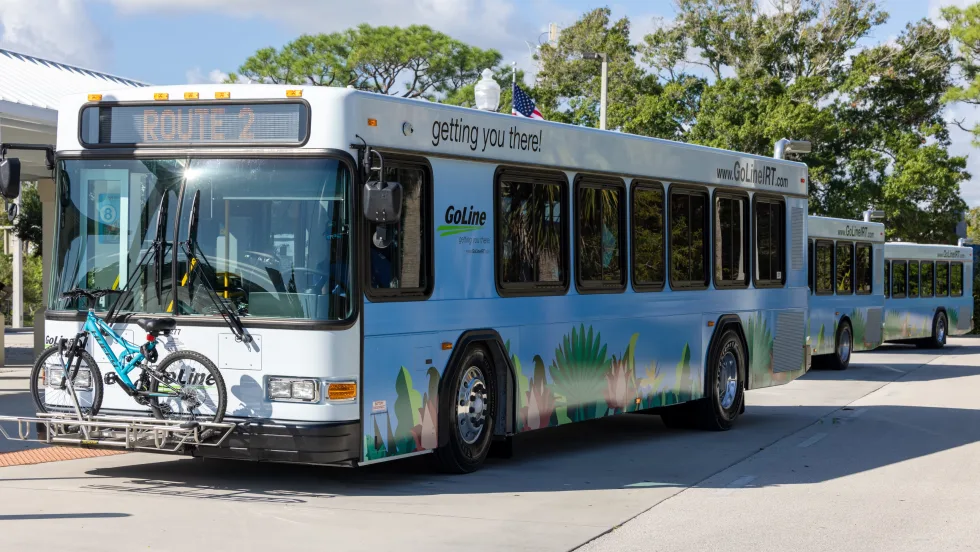
Indian River Transit’s Community-Focused Approach Earns National Recognition
Named APTA’s 2026 Outstanding Public Transportation System in its size category, Florida’s Indian River County transit system continues to grow ridership through fare-free service and a focus on evolving community needs.
Read More →
ENC Lands MATA Contract and More in Biz Briefs
In this edition of Biz Briefs, we spotlight the latest developments shaping the future of mobility.
Read More →From Surviving to Thriving: Building Stronger Transportation Organizations
Bus Business Consultants founder Brian Dickson shares lessons on leadership, organizational health, and creating options for long-term success in a changing transportation industry.
Read More →