



Without reforms, Indonesian public transportation heading for bankruptcy
Despite a collective fleet of some 21,000 buses, Jakarta, Indonesia, is a city on the brink of public transportation bankruptcy, with no apparent solution for avoiding complete collapse.

Despite a collective fleet of some 21,000 buses, Jakarta, Indonesia, is a city on the brink of public transportation bankruptcy, with no apparent solution for avoiding complete collapse. Signs of the trouble abound. Ridership has remained relatively stagnant during the past 15 years, even though the population has skyrocketed. Onboard crime, in the form of pickpockets and sexual groping, is renown. Maintenance is widely inadequate or non-existent, drivers are famously reckless or untrained, fares (tightly controlled by the government) fail to provide operators with even slim profits and the entire system seems hopelessly disorganized and inefficient. “Indonesians learn early in life that they can enter and exit a bus whenever and wherever they want,” said Friedel Engisch, president of DaimlerChrysler Group Indonesia. “That is a tradition here. You’ll be on a bus, and someone will yell, ‘stop.’ Then, five meters later, someone else will yell for another stop.” This arrangement has contributed greatly to the area’s two biggest transportation woes: chokingly thick air pollution and massive traffic jams. DaimlerChrysler is Indonesia’s leading supplier of large buses, controlling 60% to 70% of the market. It builds buses locally at a sprawling campus-like facility in Bogor, just outside Jakarta. Engisch said his company is trying to help improve conditions for the traveling public, but its efforts are repeatedly thwarted by government officials, some of whom have a vested interest in the status quo. Numerous studies, for example, have concluded that traffic jams and air pollution could be significantly reduced by eliminating toll roads around Jakarta, banning bajaj (a sort of motorized rickshaw) and firmly regulating bus routes and stopping points. Bureaucrats, however, routinely dismiss all three recommendations as being “impossible.” “I’m not sure what it will take for people here to start making changes,” Engisch said. “But I believe that, without change, the situation will become unbearable within five years.” Rudy Thehamihardja, a 30-bus fleet operator based in Bogor, hopes such a dismal fate can be avoided. He said many of the region’s busing problems could be solved if the authorities would simply enforce existing regulations. “The rules are there,” he said, “but they can easily be altered if you have money.” Across Indonesia, officials of all stripes are sorely underpaid and notoriously corrupt. Thehamihardja said a lack of money is at the heart of the matter. With the exception of tourists, bus riders are normally from lower income levels, a sizeable portion of the population. To placate the masses, officials have long kept fares artificially low. This, Thehamihardja said, has produced a public transportation system much different from those in Europe or the United States. “Operators in other countries seem to be able to cover their costs, maybe even make some money,” he said. “When they’re making money, they are trying to improve service for the people. There is a [visible] correlation between income and service. Here, since we’re struggling just to survive, service is not our main concern.” — PAUL HARTLEY
More Management
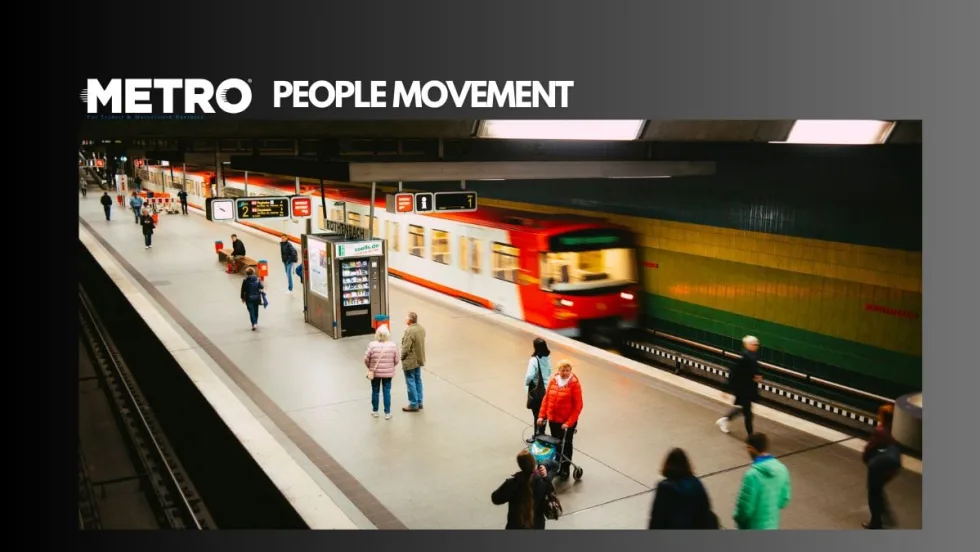
People Movement: Connectpoint Expands Leadership Team, Stadler Names New Group CEO, and More
In this edition, we also spotlight recent personnel moves at Burns, UZURV, and more, highlighting the people taking on new roles across the transportation industry.
Read More →
More Than a Summer Job: Building the Next Generation of Transit Talent
The Delaware River Port Authority and PATCO have transformed their internship program into a hands-on professional development experience that introduces students to the breadth of transportation careers — and creates a pipeline for future employees.
Read More →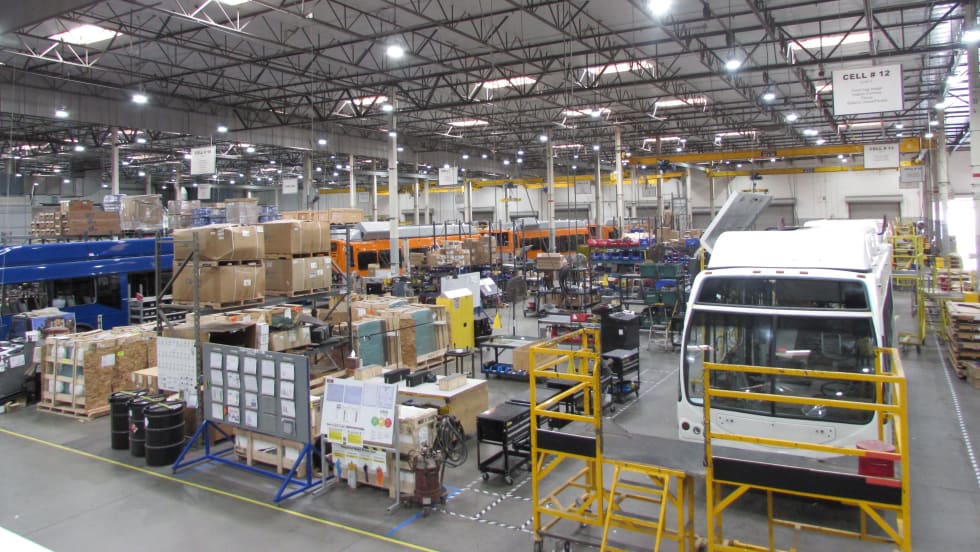
LA Metro Board Awards 220 Battery-Electric Bus Contract to ENC
The contract, which is the largest base award of battery-electric buses by a U.S. transit agency, will be built in Southern California, sustaining good jobs as LA prepares to welcome the world in 2028
Read More →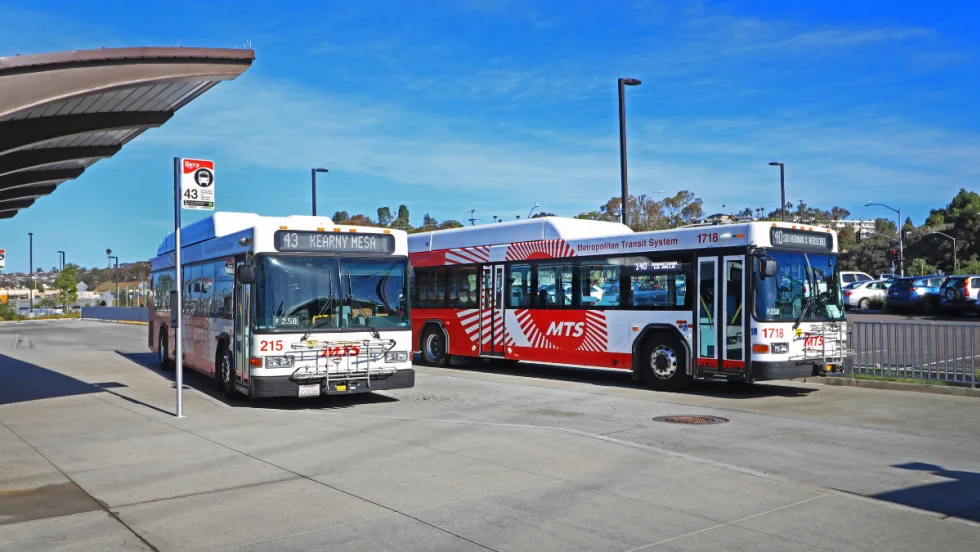
What’s Behind San Diego MTS’s Award-Winning Transit Strategy
Named one of APTA’s 2026 Outstanding Public Transportation Systems with 50 million or more annual passenger trips, California’s San Diego Metropolitan Transit System points to gains in ridership, safety, technology, and reliability as foundations of its success.
Read More →
Public Transit Conference Returning to GFX in 2027, Call for Papers Now Open
The Call for Papers is now open, allowing transit agency professionals and industry experts to help shape the PTC educational program by submitting session ideas for consideration.
Read More →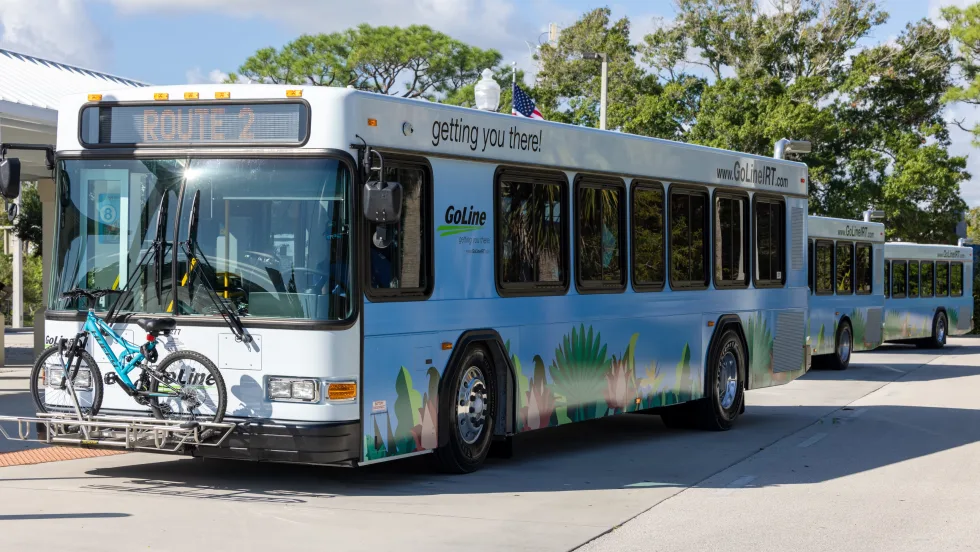
Indian River Transit’s Community-Focused Approach Earns National Recognition
Named APTA’s 2026 Outstanding Public Transportation System in its size category, Florida’s Indian River County transit system continues to grow ridership through fare-free service and a focus on evolving community needs.
Read More →
ENC Lands MATA Contract and More in Biz Briefs
In this edition of Biz Briefs, we spotlight the latest developments shaping the future of mobility.
Read More →
From Surviving to Thriving: Building Stronger Transportation Organizations
Bus Business Consultants founder Brian Dickson shares lessons on leadership, organizational health, and creating options for long-term success in a changing transportation industry.
Read More →
Everett Transit, Community Transit Outline Consolidation Agreement
The proposed agreement calls for a 50% increase in bus service in Everett, a new microtransit zone, continued paratransit service, and the transfer of Everett Transit operations to Community Transit.
Read More →
Strada360’s Steve Lassey on Turning Transit Data Into Better Decisions
From breaking down data silos to preparing for AI, Strada360 CEO Steve Lassey discusses how transit agencies can use technology to improve operations, customer information, and long-term decision-making.
Read More →