
Staff
Editorial
Our team of enterprising editors bring years of experience covering the fleet industry. We offer a deep understanding of trends and the ever-evolving landscapes we cover in fleet, trucking, and transportation.


 MENU
MENU SEARCH
Editorial
Our team of enterprising editors bring years of experience covering the fleet industry. We offer a deep understanding of trends and the ever-evolving landscapes we cover in fleet, trucking, and transportation.

The Renton Transit Center project will relocate and rebuild the Renton Transit Center to better serve the regional Stride S1 line, local King County Metro services, and the future RapidRide I Line.
Read More →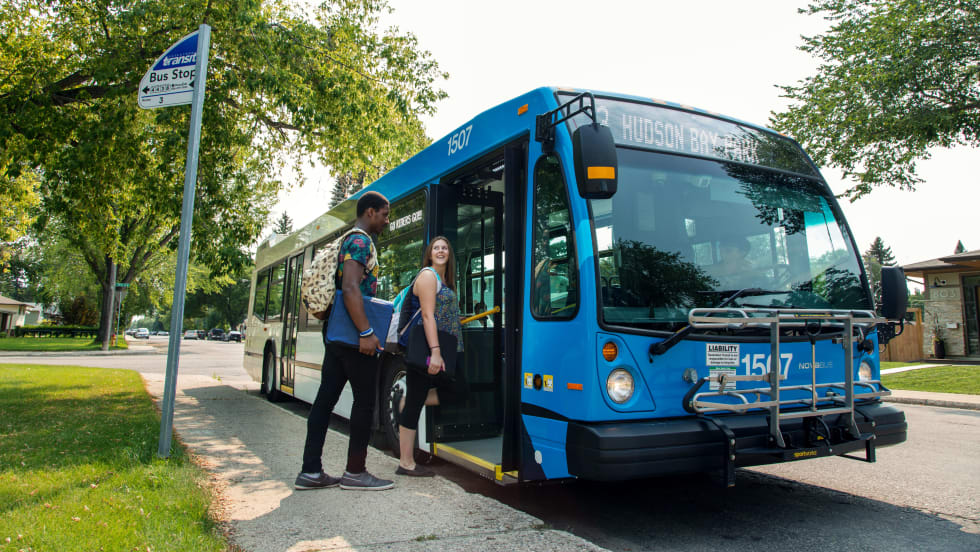
Masabi and Passenger share a vision for the future of public transport — connected, customer-centric, and cloud-native — where every step of the journey works together seamlessly to elevate the transit experience.
Read More →
The addition now allows customers to tap their contactless debit or credit card, or a mobile wallet, such as Apple Pay or Google Pay, directly on the onboard fare validators.
Read More →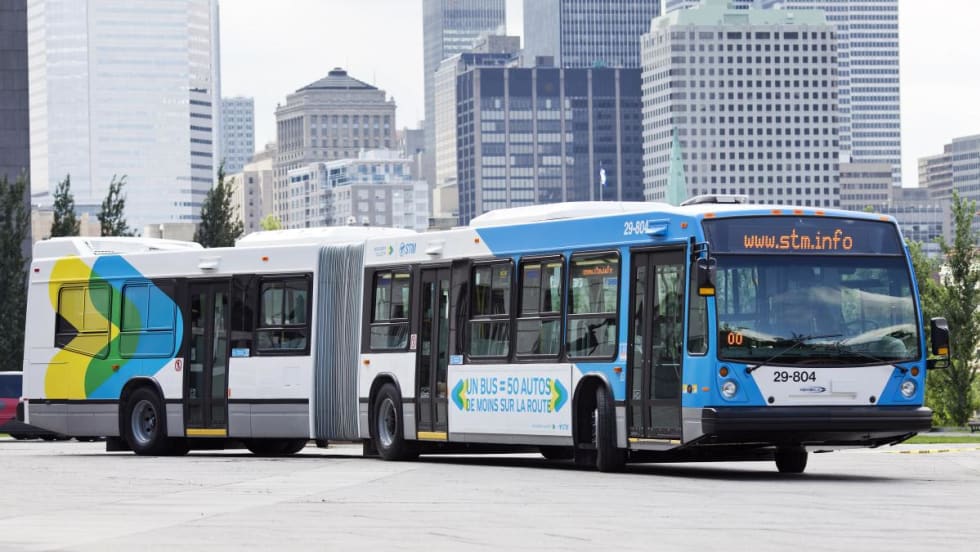
The agency opens its text message safety reporting system to buses, enabling discreet, non-urgent reports across Montreal’s entire transit network.
Read More →
The audit found multiple safety compliance failures at the Charlotte agency, citing elevated assault risks and ordering corrective action within 30 days.
Read More →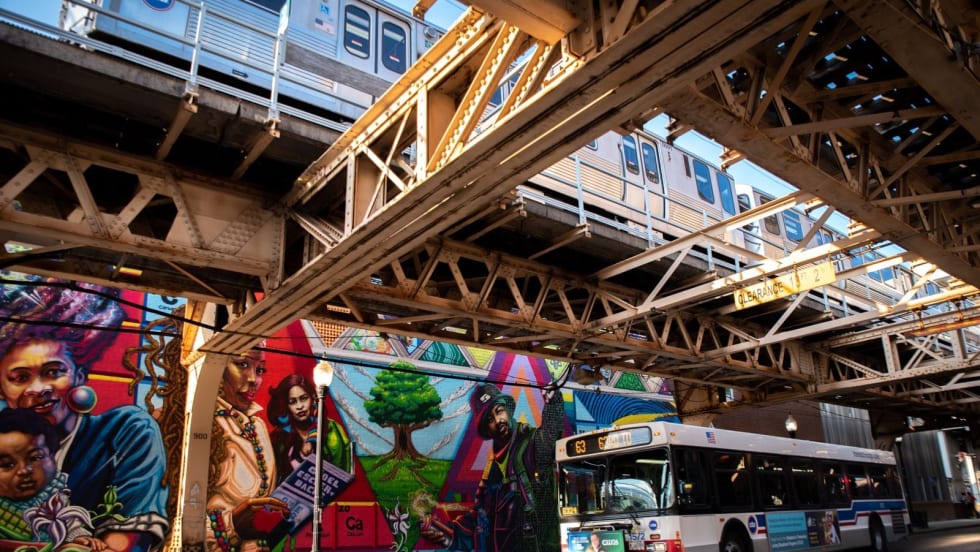
The region’s fixed-route system finished out the year with a total of 373.5 million rides. Adding 12.3 million rides over 2024 represents an increase that is equal to the annual transit ridership of Kansas City.
Read More →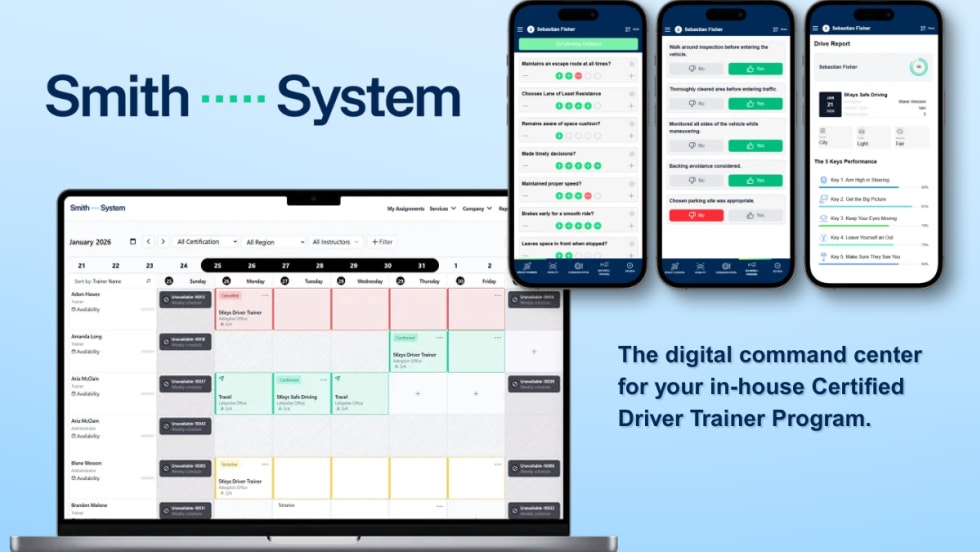
The new hub digitizes trainer-led safety programs, reducing admin work and giving fleets clearer insight into driver behavior.
Read More →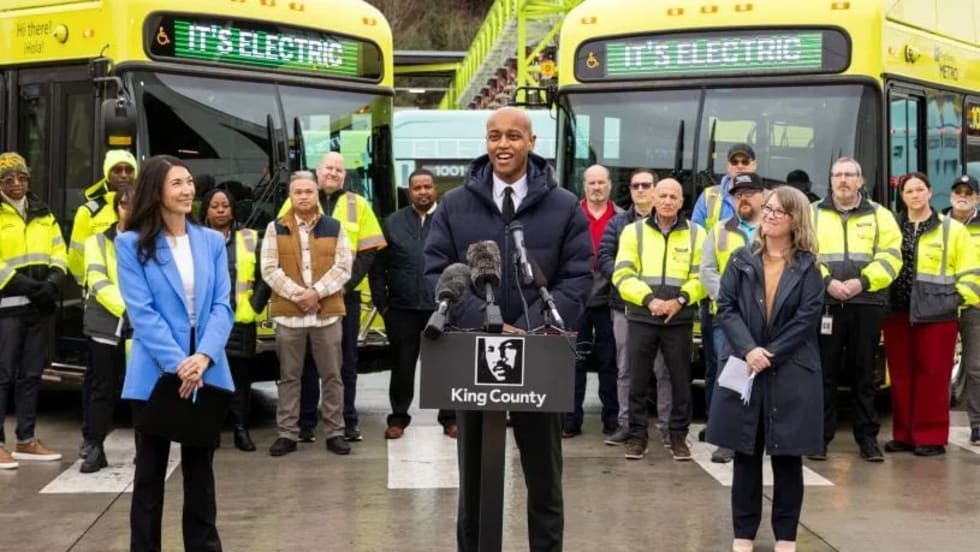
Rolling out in electric yellow and seafoam blue, the first battery-electric buses purchased from GILLIG will begin serving riders in south King County on February 2.
Read More →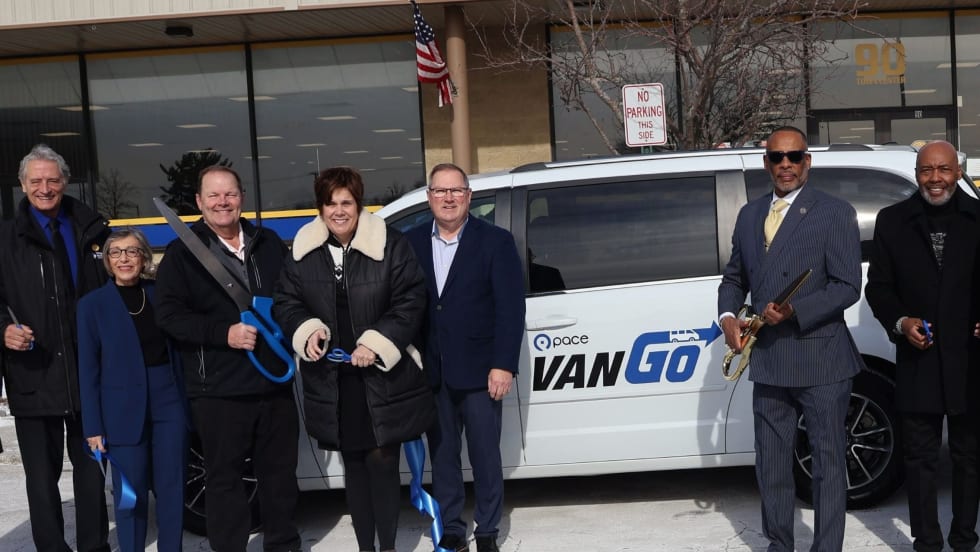
The service is a flexible, reservation-based transit service designed to close the first- and last-mile gaps and connect riders to employment for just $5 per day.
Read More →
Parsons wins the $60M Claremont Extension design contract as the Foothill Gold Line board reaffirms leadership during a pivotal project phase.
Read More →