



Bike Safety: Simple Tips to Safeguard Yourself on the Road
If you're looking for a budget-friendly transportation option that allows you to enjoy the warm spring weather, bicycling is a terrific option for the planet and for your health.

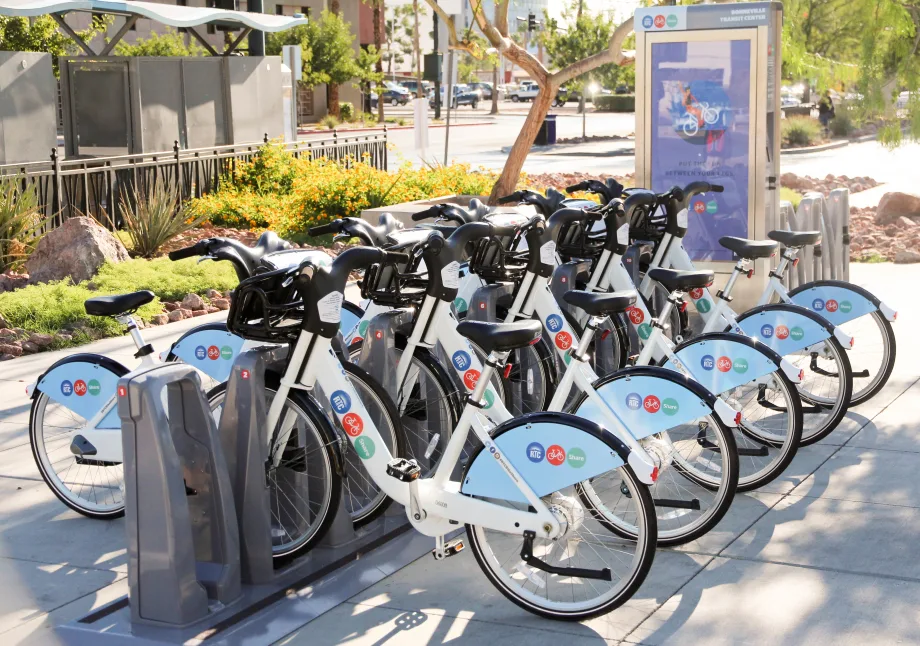
Bicycling not only allows you to get where you want to go without the constraints of traffic and transit schedules, but can also help you solve the first-, last-mile issue.
Photo: RTC of Southern Nevada
If you're looking for a budget-friendly transportation option that allows you to enjoy the warm spring weather, bicycling is a terrific option for the planet and for your health. Bicycling also allows you to get where you want to go without the constraints of traffic and transit schedules.
For all of its positives, cycling — especially in urban settings — can also present risk. According to the U.S. Department of Transportation’s National Highway Traffic Safety Administration (NHTSA), there were 938 bicyclist fatalities in 2020, accounting for 2.4% of all traffic fatalities that year.
There are technologies, like computer vision, available to transit agencies to make intersections safer and more efficient for vehicles and vulnerable road users like pedestrians and bicyclists. For example, as users enter, travel through, and exit intersections, cities can extend clearance times to accommodate various travelers thus, reducing accidents and increasing pedestrian and cyclist safety.
Safety Tips for Cyclists
The following are tips for bicycle enthusiasts who are ready strap into their pedals and take to the asphalt this spring and summer:
Wear a helmet to reduce risk of injury
Wearing a helmet while cycling can significantly reduce injury and head trauma suffered in accidents. A bicycle helmet should fit snug, remaining level and stable on your head while covering most of the forehead before any adjustments are made. If the helmet moves a lot, it’s too loose and either needs to be tightened with pads or the ring at the back and base of the helmet. If those adjustments still don’t work, you may need a smaller helmet. Ensure a proper fit before you head outside.
Make yourself highly visible
Wearing brightly-colored clothing in fluorescent and neon hues will aid in how visible you will be to drivers during the daytime. If you plan to ride at night, make sure you step-up your high visibility wardrobe to include reflective clothing or special tape to make yourself noticeable in the dark.
Follow the traffic and be alert
Exhibiting a general lack of alertness while on the road is almost certain to spell trouble for a cyclist, so be sure to leave your earbuds or headphones at home and keep your head and eyes moving. You need your ears to hear traffic and your eyes to avoid dangerous situations like potholes, wet leaves, storm grates, railroad tracks, or anything that might cause you to lose control of the bike.
Stay in your lane
Special bike lanes are more common today, all around the world, as cities embrace “sharing the road” with cyclists as a sustainable transit option. When choosing to bike to your destination, it’s definitely in your best interest to remain predictable to motorists by staying in the allotted bike lane and avoid weaving in and out of traffic.
Obey the laws and signal your movements
Just like the laws and rules of the road for motorists operating cars, there are traffic safety laws and signals that cyclists must follow, too. Be safety smart by reviewing the bike laws for your city, or consult a resource like the Bike Law Foundation to brush up on your hand signal knowledge to be confident you’re communicating your intentions clearly to other road users.
By following these guidelines, cyclists can dramatically reduce their risks on the road and safely get to where they need to go.
More Blog Posts
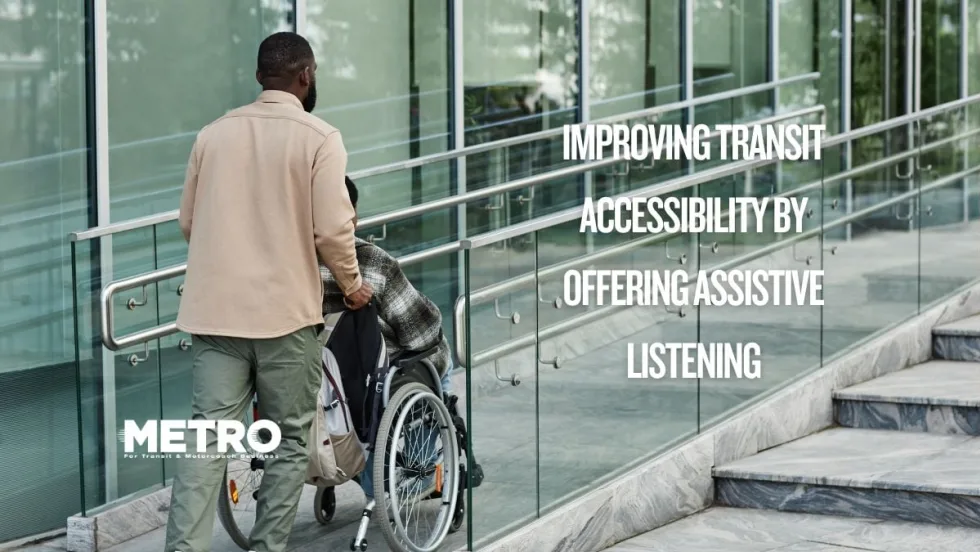
Improving Transit Accessibility by Offering Assistive Listening
Did you know that there are literally tens of millions of people worldwide with hearing loss, many of whom will use some form of public transit at some point?
Read More →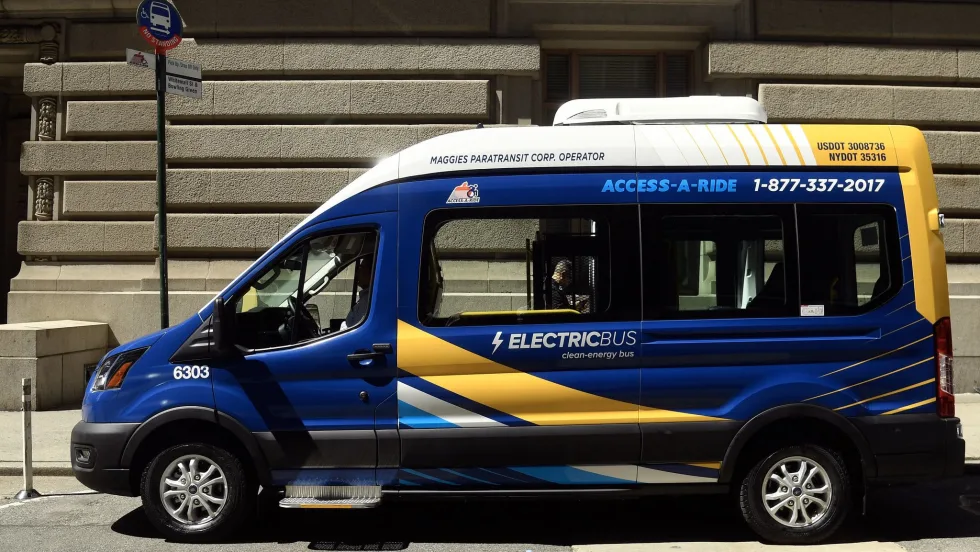
35 Years of the ADA, Making Travel Easier for Seniors
Thirty-five years after the passage of the Americans with Disabilities Act of 1990 (ADA), the impact of this landmark piece of civil rights legislation cannot be overstated.
Read More →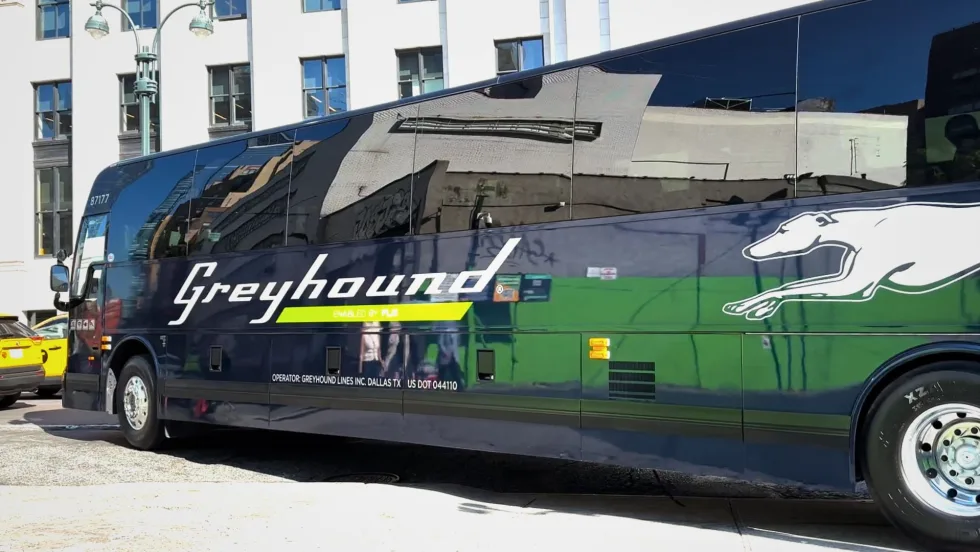
Driving Performance with Purpose: How I Lead One of Greyhound’s Top Teams
Safety, on-time performance, and customer experience are critical elements in intercity bus operations. But getting them right doesn’t come down to plans or protocols alone. It comes down to execution. How well your team performs on the ground, in real time, is what defines success.
Read More →
Navigating Emerging Privacy Laws: A Call to Action for Service Providers in Mass Transit
With Data Privacy Day Jan. 28, I want to spotlight a critical challenge faced by service providers in the mass transit sector: managing personal information responsibly in an era of rapidly evolving privacy regulations.
Read More →
Human Trafficking Awareness: What Public Transportation Can Do?
January is National Slavery and Human Trafficking Prevention Month in the U.S., and January 11 is National Human Trafficking Awareness Day.
Read More →
Want to Improve Transit Safety and Operations? Break Down the Silos
Retrieving and reviewing data and video can be a cumbersome process for fleet managers. Each system or tool provides a piece of the puzzle, but seeing the complete picture requires tedious manual synchronization.
Read More →
Ensuring Public Transit Cybersecurity Through Robust Protective Measures
In today’s highly connected world, cybersecurity is of utmost importance, particularly for transportation agencies overseeing transit bus systems that rely increasingly on sophisticated technologies, including the use of data analytics in traffic signal networks, to manage and operate their systems.
Read More →
How Advances in Thermal Management Revolutionize Urban Mobility
In the daily hustle and bustle of city life, transit buses serve as the backbone of urban transportation, allowing millions of city dwellers to get from point A to point B each day reliably.
Read More →
The Evolution of Bus Design
Thirty years ago, drivers not only had to drive the bus and navigate heavy traffic, but they were also responsible for tasks like supervising passenger loading and unloading, selling tickets, and providing passengers with various kinds of information, all while sitting in an often ill-fitting workstation.
Read More →
What 'Transit Safety 101' Really Means
Safety, Safety, Safety. This word is used repeatedly, and in many contexts, without most people understanding what it actually means.
Read More →