



Bus Simulator Training Done Right!
This topic builds on the conversations, training sessions, and follow-ups I have had the pleasure of being part of throughout my 23 years utilizing bus simulator supplemental training.


An extremely critical key in having the simulator program succeed in producing world class operators is that the “transfer of knowledge” from a “live” training bus to the simulator remains constant.
Wichita Transit
I have resurfaced from the bus barn to once again blog on the topic of using simulators in bus operator training. This topic builds on the conversations, training sessions, and follow-ups I have had the pleasure of being part of throughout my 23 years utilizing bus simulator supplemental training. Two recent conversations are what led me to continue to follow up on this topic once again.
The following information is for both those who are presently utilizing a bus simulator or contemplating introducing one to their agency. It is critical to know how to correctly implement a bus simulator into a new hire candidates training program and throughout the “behind the wheel” portion of their careers to continually keep the program alive (hire to retire philosophy). Failing to do so will increase the possibility that the simulator will not be utilized as originally planned and sit idle in the training room. This can and should certainly be avoided.
Accepting delivery of a bus simulator at a training facility is an exciting event. Upon installation, it proudly sits in its new home being admired by staff who anxiously awaits the ribbon cutting ceremony that will mark the beginning of a methodical way to supplement the existing training program. However, to receive the benefits of this tool, this training must be conducted by the cream of the crop of the training staff.
As with other training programs, bus simulator training can only be as good and effective as the training staff delivering it. Anyone assuming the role of a bus simulator instructor should have operated a bus in passenger service. This should be a primary qualification. The know how must come from within. That extra ingredient is the difference. Not all can operate a bus and in the case of training not all can train. I have seen this firsthand when conducting Train the Trainer classes. Hopefully, some thought has been given to what manner this tool will be utilized as well as what benefits the training department can expect to receive. These are questions that must be answered early in the planning stages to ensure successful integration to an “existing standardized curriculum” and what targeted areas of concern the simulator can resolve.
How will the simulator supplement your training program? Will it be used for any of the following?
New operator “Basic Skill” development
Corrective Action Applicator
Annual Refresher
Collision Analysis
All the above
What portion of the work force are you planning to engage to simulator-based training?
Senior operators
Those involved with collisions
Operators returning to work after an extended absence
New hire candidates
All the above
What is the training agency looking to achieve with simulator training?
Reducing left and right turn collisions
Reducing bus stop incidents
Reducing fixed object / pedestrian contact
Establish a “new” No. 1 collision type by effectively resolving the current No.1 issue
All the above
Some new to simulation believe that new candidate basic skills cannot be taught on a simulator. I beg to differ. After conducting bus simulator supplemental training along with on-site Train the Trainer sessions for many U.S. and Canadian transit agencies, I can say without any reservation that basic skill development should be right at the top of bus simulation training. It is the best bang for the buck. If you are presently conducting simulator training and do not agree with that statement, lets discuss. An extremely critical key in having the simulator program succeed in producing world class operators is that the “transfer of knowledge” from a “live” training bus to the simulator remains constant and that the training on the simulator will be standardized and conducted by those who have the qualifications that would not make you think twice of having them train your loved one.
Teaching the basic skills of operating a bus with the assistance of a simulator and a qualified instructor, will ensure operators are well equipped to manage their duties during passenger service and deal with high-risk situations. A new hire candidate should absolutely be placed in a high-risk situation during training to prepare them for the challenges of real-world driving conditions. The simulator will do this without causing physical harm and allow situations to play out to their natural consequences with no risk. To shy away from high-risk situations during training and leaving the student to experience them when they are in passenger service after graduation can be costly and outright dangerous.
After all training days have been exhausted and the instructor has identified those candidates that will not be moving forward, the remaining cream of the crop of candidates that are advancing should adjust nicely once they enter passenger service as a probationary operator.
In closing, unlike Law Enforcement personnel, EMS, and Fire Fighters that due to the nature of their job functions are obviously required to travel at higher speeds than a bus transporting live freight, excessive speed is detrimental to safe bus operations and obviously increases the chances of collisions and on-board injuries. Operating a bus requires a unique type of training. Speed is not at the top of the list or anywhere to be found. It is not the way bus operator training is conducted. There is a skill set that must be learned and adhered to. Bus operators are held to a high standard of care and must utilize the utmost care in transporting their customers. It is an absolute necessity that bus operator training on a simulator be conducted by someone with a driving background of operating a bus in passenger service and having performed in the role of a training bus instructor. Combining that with a simulator that closely resembles in looks and feel that of a “live” training bus, your foundation has been set in place to keep the following 3 Ss of bus transportation intact. They are Safety, Service and Schedule. “Safety” in a manner that eliminates risk, “Service” by providing the type of service to give users of the transit system a reason to return as repeat customers and “Schedule” by making an honest effort to safely operate as close to schedule as possible.
More Blog Posts
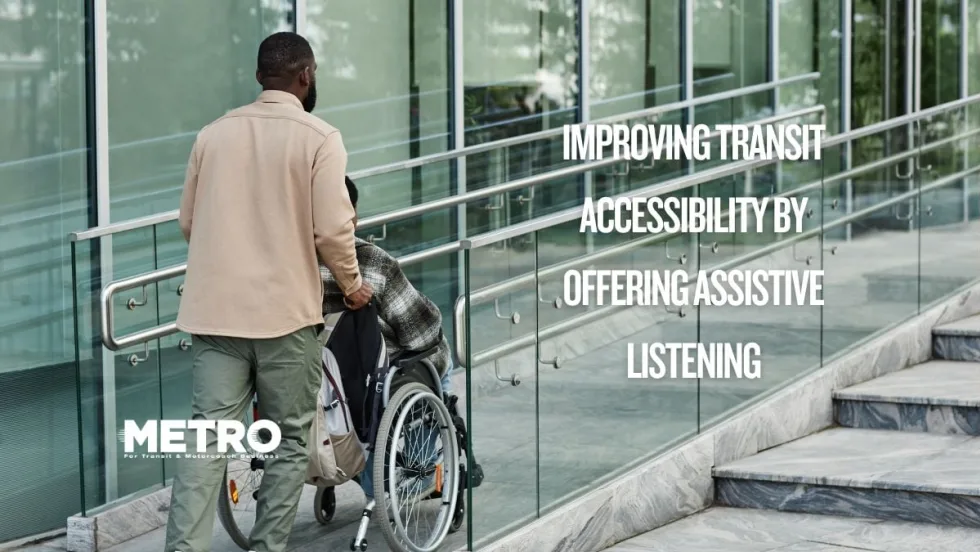
Improving Transit Accessibility by Offering Assistive Listening
Did you know that there are literally tens of millions of people worldwide with hearing loss, many of whom will use some form of public transit at some point?
Read More →
35 Years of the ADA, Making Travel Easier for Seniors
Thirty-five years after the passage of the Americans with Disabilities Act of 1990 (ADA), the impact of this landmark piece of civil rights legislation cannot be overstated.
Read More →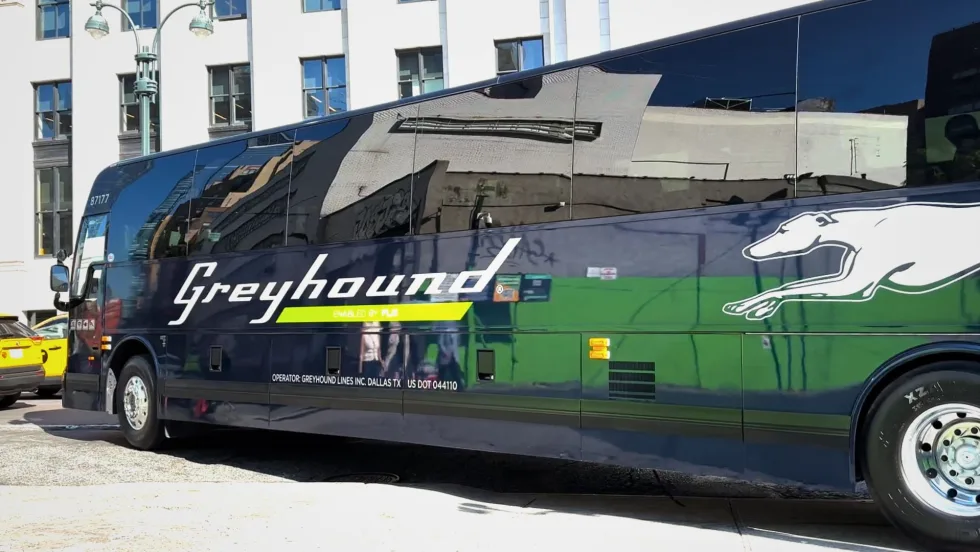
Driving Performance with Purpose: How I Lead One of Greyhound’s Top Teams
Safety, on-time performance, and customer experience are critical elements in intercity bus operations. But getting them right doesn’t come down to plans or protocols alone. It comes down to execution. How well your team performs on the ground, in real time, is what defines success.
Read More →
Navigating Emerging Privacy Laws: A Call to Action for Service Providers in Mass Transit
With Data Privacy Day Jan. 28, I want to spotlight a critical challenge faced by service providers in the mass transit sector: managing personal information responsibly in an era of rapidly evolving privacy regulations.
Read More →
Human Trafficking Awareness: What Public Transportation Can Do?
January is National Slavery and Human Trafficking Prevention Month in the U.S., and January 11 is National Human Trafficking Awareness Day.
Read More →
Want to Improve Transit Safety and Operations? Break Down the Silos
Retrieving and reviewing data and video can be a cumbersome process for fleet managers. Each system or tool provides a piece of the puzzle, but seeing the complete picture requires tedious manual synchronization.
Read More →
Ensuring Public Transit Cybersecurity Through Robust Protective Measures
In today’s highly connected world, cybersecurity is of utmost importance, particularly for transportation agencies overseeing transit bus systems that rely increasingly on sophisticated technologies, including the use of data analytics in traffic signal networks, to manage and operate their systems.
Read More →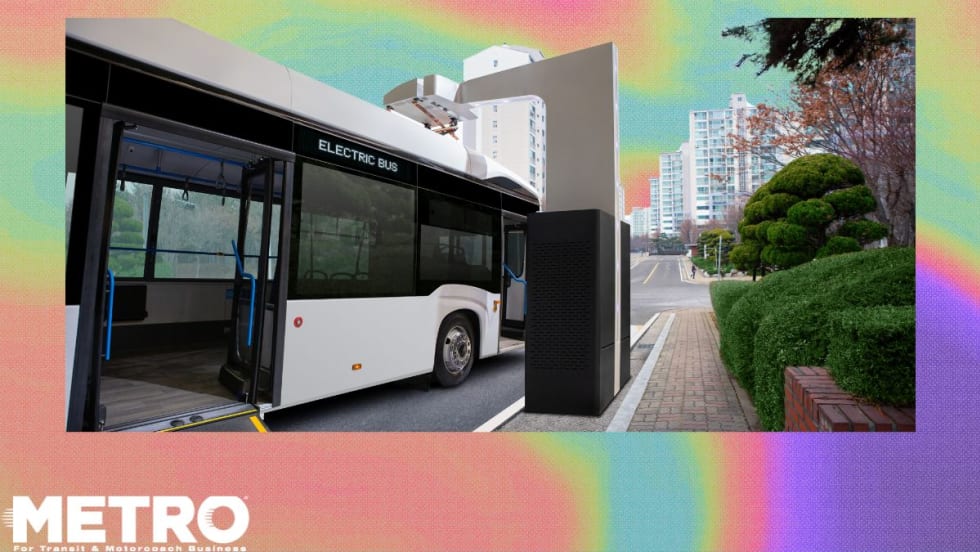
How Advances in Thermal Management Revolutionize Urban Mobility
In the daily hustle and bustle of city life, transit buses serve as the backbone of urban transportation, allowing millions of city dwellers to get from point A to point B each day reliably.
Read More →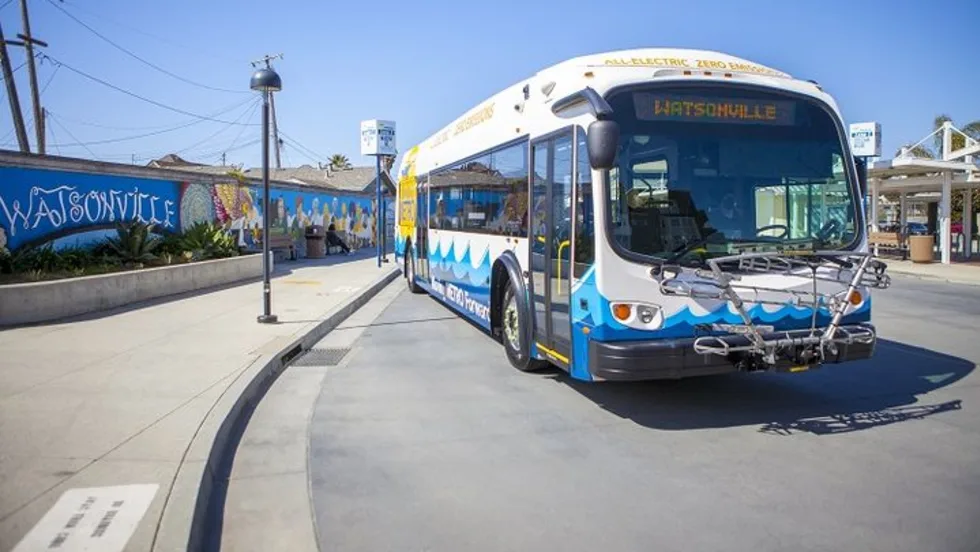
The Evolution of Bus Design
Thirty years ago, drivers not only had to drive the bus and navigate heavy traffic, but they were also responsible for tasks like supervising passenger loading and unloading, selling tickets, and providing passengers with various kinds of information, all while sitting in an often ill-fitting workstation.
Read More →
What 'Transit Safety 101' Really Means
Safety, Safety, Safety. This word is used repeatedly, and in many contexts, without most people understanding what it actually means.
Read More →