



How Transit Can Leverage Information Technology to Respond to and Prepare for Crises
Transit systems and their technology partners are working together to adjust operations, provide passengers with up-to-date information, and ensure a safe transit environment.
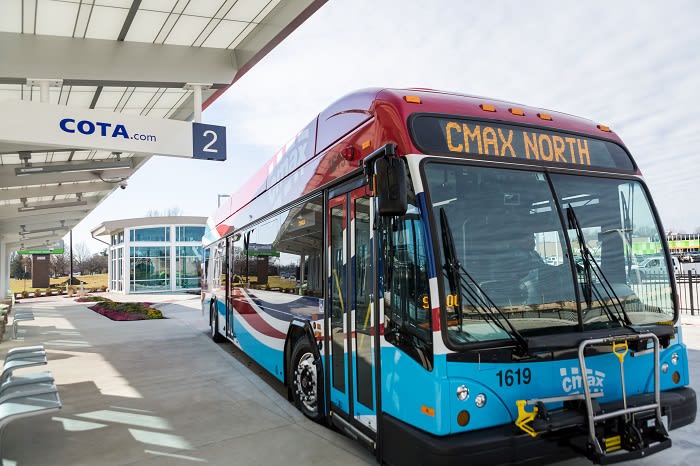
COTA promotes safety and social distancing on its new service by limiting passengers, increasing sanitization, and requiring masks.
COTA
Our nation’s mass transit systems provide a vital public service, and that has never been more evident than in the past months, as we have battled the COVID-19 pandemic. Even as transit agencies across the country contend with decreased ridership, operators continue to service the community, committed to transporting essential workers and those that depend upon mobility services. Transit systems and their technology partners are working together to adjust operations, provide passengers with up-to-date information, and ensure a safe transit environment.
To protect operators and those on essential trips, the industry has gotten creative, implementing new procedures and leveraging new technologies. For example, the Central Ohio Transit Authority (COTA) partnered with Via to provide on-demand bus service to its passengers, particularly those who relied on routes whose service was reduced due to COVID-19. COTA promotes safety and social distancing on its new service by limiting passengers, increasing sanitization, and requiring masks. Since communicating these improvements and policy changes to riders is critical, transit agencies like COTA are using all the tools available to them, including digital signage in multiple forms: on-board and stationary displays.
Since the early days of the pandemic, we have seen destination displays communicate important information to riders, such as “Essential Trips Only,” “Cleaned 30 Minutes Ago,” or “Face Coverings Required.” Stationary signs displaying seating charts and adjustments to fare policies can help avoid confusion when boarding and assist the operator in enforcing those rules for the benefit of public safety. To further encourage social distancing on public transit, automated capacity calculation and communication systems have hit the market to provide real-time detection of seated, boarding, and disembarking passengers. An exterior display can provide a real-time count of available seats so riders will know at a glance when and if it is safe to board.
Finding a “new normal”
To further improve on-board safety, the industry has taken cues from health officials, who have indicated that, while daily or “episodic” surface cleanings are important, they deliver only incomplete and short-lived protection. To mitigate the potential for further spread of coronavirus, episodic cleanings must be coupled with the “continuous intervention” functionality of an air treatment solution. Such a solution can directly confront airborne transmission of the virus and deliver much-needed continuous protection of indoor and enclosed spaces, including transit buses and railcars. By integrating the solution with on-board software and display technologies, transit agencies can provide this important information to passengers in addition to real-time tracking of available seats. Both solutions have the potential to increase ridership by alleviating safety concerns during the COVID-19 crisis and beyond.
Transit agencies can further increase on-board safety by leveraging existing technologies in new ways. For example, there is mounting interest in the use of thermal cameras to detect potential infections via a passenger’s body temperature. Once integrated with on-board software, this technology can be used to alert control centers to health risks on-board the vehicle, as well as to trigger the air treatment system to discreetly increase the level of air treatment and provide additional protection for other passengers and operators. By using these technologies in combination, transit agencies can increase safely while limiting operator and rider interaction with potentially infected individuals.
With each state responding to the pandemic with different policies and reopening timelines, it is more important than ever that transit systems proactively adjust their communications and procedures to keep passengers safe and comfortable on their journey. A versatile passenger information solution that allows for remote updates and a library of available messages gives transit agencies the tools they need to quickly respond to this crisis but also to prepare for future phases and other situations that may arise. For example, the technology could be used to provide information about if the next bus arriving will allow for social distancing and is equipped with an air treatment system or to inform passengers of service expansions as people return to work.
Moving forward
If COVID-19 and the events of 2020 have taught us anything, it is that, to protect people and our livelihood, we must be prepared for any and all crises that might impact our critical infrastructure. This includes global, national, state, or local crises, including localized outbreaks, as well as more common occurrences, such as traffic accidents, police pursuits, or even mass shootings. Timely communication can assist with many of these crises. On-board safety technologies, such as security cameras and announcements, have also been used to help combat human trafficking and raise awareness. Many agencies are already using on-board signage to display Amber Alerts and critical PSAs in cooperation with local law enforcement and other public safety authorities.
Moving forward, transit systems can leverage passenger information technology to prepare in advance by templatizing messages for use in the event of a crisis. This can empower the public with situation awareness and streamline transit response by enabling preparation of a library of approved, ready-to-use messages. By integrating an agency’s technologies, additional benefits can be realized both during a crisis and in day-to-day operations. Working together, transit systems and their technology partners can take prevention measures and translate them into clear communications for the benefit of the public.
Kirk Goins is CEO of Luminator Technology Group.
More Blog Posts
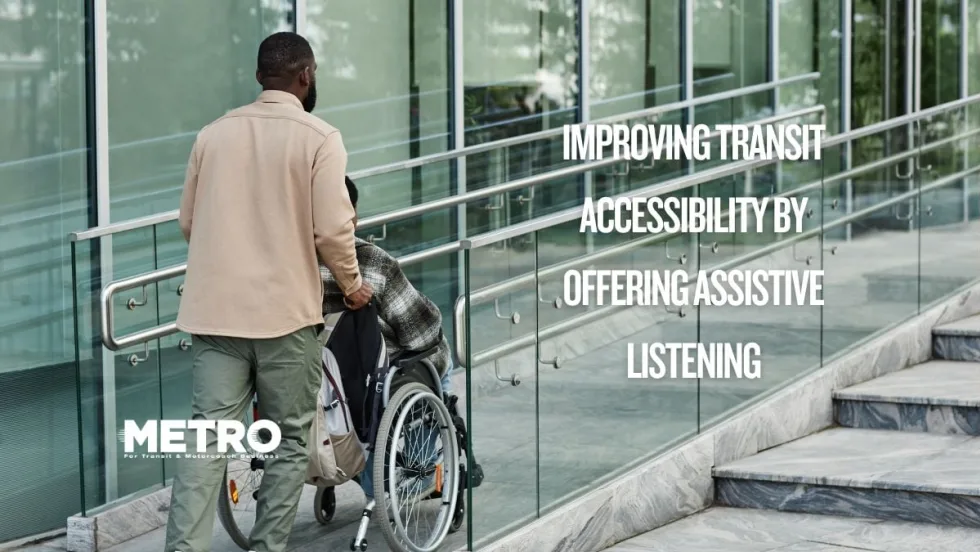
Improving Transit Accessibility by Offering Assistive Listening
Did you know that there are literally tens of millions of people worldwide with hearing loss, many of whom will use some form of public transit at some point?
Read More →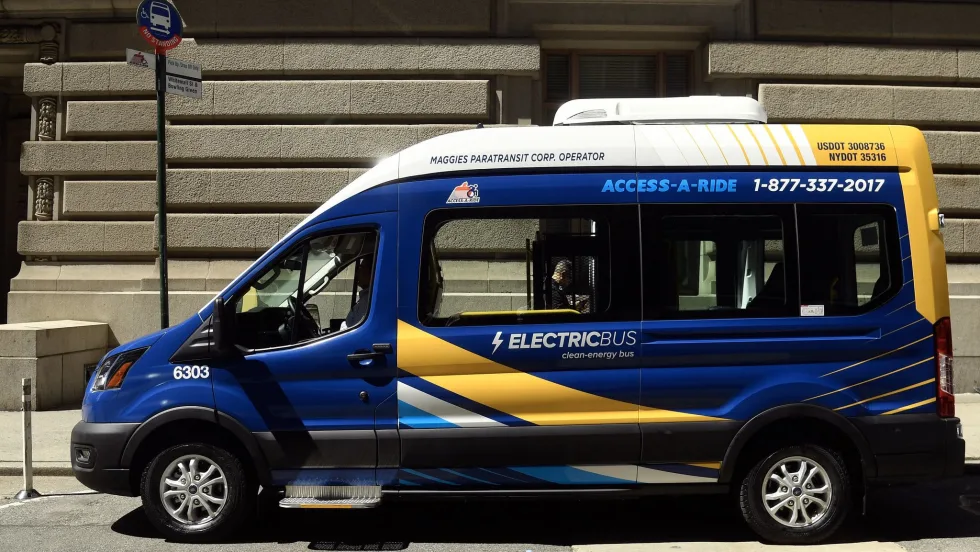
35 Years of the ADA, Making Travel Easier for Seniors
Thirty-five years after the passage of the Americans with Disabilities Act of 1990 (ADA), the impact of this landmark piece of civil rights legislation cannot be overstated.
Read More →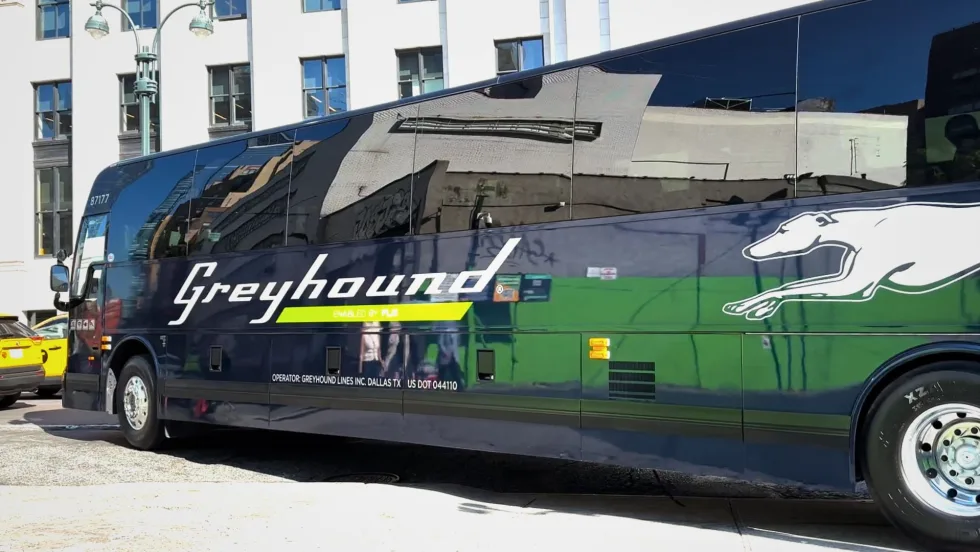
Driving Performance with Purpose: How I Lead One of Greyhound’s Top Teams
Safety, on-time performance, and customer experience are critical elements in intercity bus operations. But getting them right doesn’t come down to plans or protocols alone. It comes down to execution. How well your team performs on the ground, in real time, is what defines success.
Read More →
Navigating Emerging Privacy Laws: A Call to Action for Service Providers in Mass Transit
With Data Privacy Day Jan. 28, I want to spotlight a critical challenge faced by service providers in the mass transit sector: managing personal information responsibly in an era of rapidly evolving privacy regulations.
Read More →
Human Trafficking Awareness: What Public Transportation Can Do?
January is National Slavery and Human Trafficking Prevention Month in the U.S., and January 11 is National Human Trafficking Awareness Day.
Read More →
Want to Improve Transit Safety and Operations? Break Down the Silos
Retrieving and reviewing data and video can be a cumbersome process for fleet managers. Each system or tool provides a piece of the puzzle, but seeing the complete picture requires tedious manual synchronization.
Read More →
Ensuring Public Transit Cybersecurity Through Robust Protective Measures
In today’s highly connected world, cybersecurity is of utmost importance, particularly for transportation agencies overseeing transit bus systems that rely increasingly on sophisticated technologies, including the use of data analytics in traffic signal networks, to manage and operate their systems.
Read More →
How Advances in Thermal Management Revolutionize Urban Mobility
In the daily hustle and bustle of city life, transit buses serve as the backbone of urban transportation, allowing millions of city dwellers to get from point A to point B each day reliably.
Read More →
The Evolution of Bus Design
Thirty years ago, drivers not only had to drive the bus and navigate heavy traffic, but they were also responsible for tasks like supervising passenger loading and unloading, selling tickets, and providing passengers with various kinds of information, all while sitting in an often ill-fitting workstation.
Read More →
What 'Transit Safety 101' Really Means
Safety, Safety, Safety. This word is used repeatedly, and in many contexts, without most people understanding what it actually means.
Read More →