



Increasing Ridership: A Case Study from Herzliya, Israel
A bus system overhaul and the ability to rapidly generate the most efficient schedules made it possible to double ridership in a year.
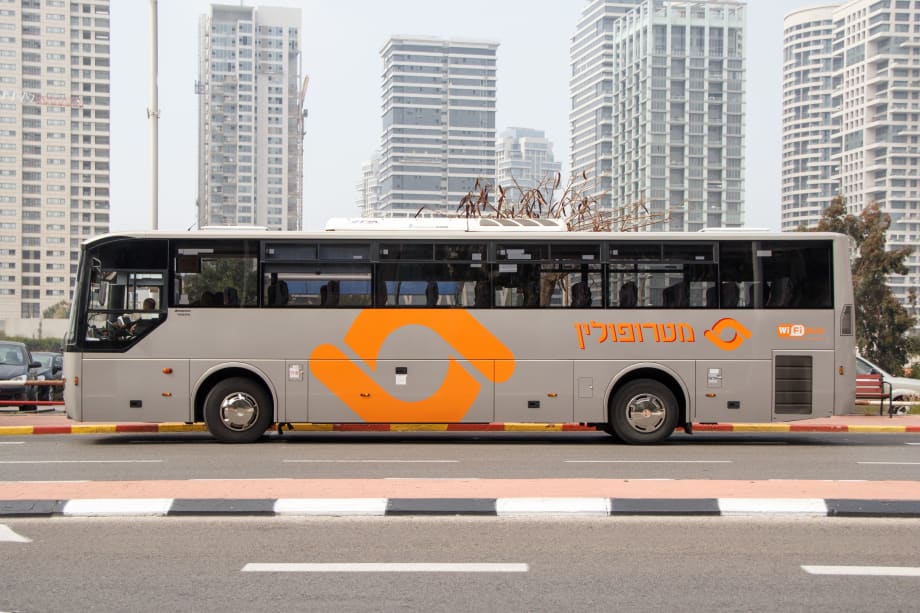
By following in Herzeliya, Israel's footsteps, other cities around the world can do the same.
Metropoline
By following in Herzeliya, Israel's footsteps, other cities around the world can do the same.
Metropoline
Public transit use may be on the decline, but luckily, there’s hope for increasing ridership. Restructuring routing and optimizing scheduling stand to overcome the main barriers to public transportation use: a lack of frequency and reliability.
A coastal Israeli city, Herzliya, has already reaped the benefits of this strategy, more than doubling ridership in a 12-month period. Here’s how they did it.
The Planning Process
The redesign of Herzliya’s bus routes began when its central bus station, which served as the depot for all routes, was demolished, forcing planners to completely restructure the system. While this was inconvenient in the short term, it ended up creating the opportunity to drastically improve the transit network’s appeal to riders and significantly boosting ridership.
Dr. Robert Ishaq, a transportation planner and researcher affiliated with the Technion — Israel Institute of Technology, was tasked with the redesign. He began by analyzing the previous routes, which looked like this:
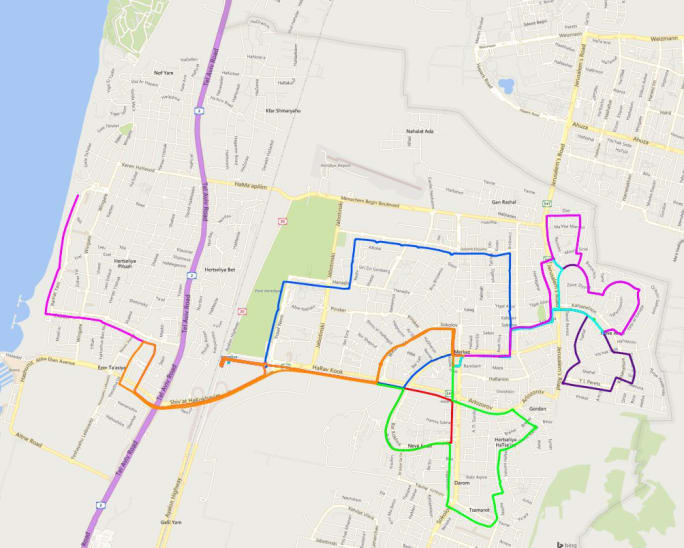
There were a few obvious issues:
Routes were unidirectional and ran in semicircles, so if you took the bus somewhere, you couldn’t take the same route to get back to your point of origin. This is both inefficient and complicated for riders.
The routes were very short, requiring lots of transfers for cross-city commuters.
The service was infrequent. Lines ran once or twice an hour, and some routes stopped operating as early as 7 p.m. or 8 p.m.
But the largest problem Dr. Ishaq identified was that while the city had evolved, its bus system hadn’t.
“As train service improved, people began going to and from the city’s train station, but few buses got there,” he said. “The high-tech employment center near the beach had begun to thrive, malls were added, land use was transformed, and the city’s population quadrupled. As a result, public transit routes weren’t serving the city’s population as they should.”
The Implementation Process
To address these problems, Dr. Ishaq began by understanding “what access public transportation should provide — to schools, cultural centers, medical centers, business centers, hospitals, as well as a rail station,” and using this information to create a map of desired lines.
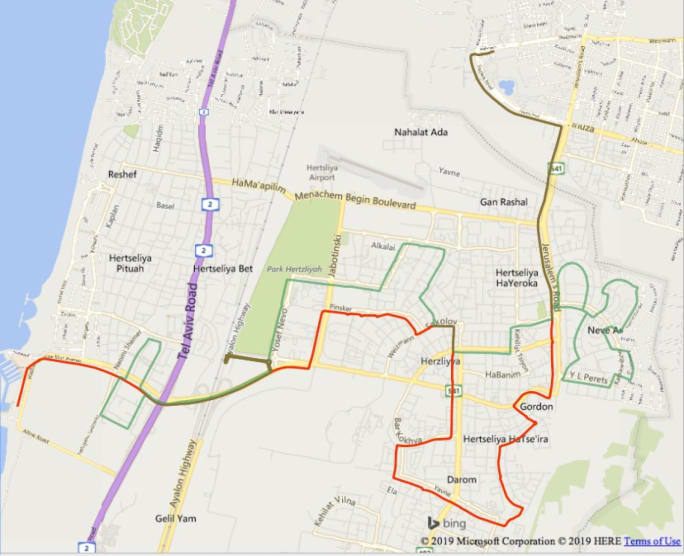
The result was a simplified service that replaced the nine short routes with two longer and more efficient cross-city routes, and increased their frequency to a minimum of every 20 minutes. The hours of operation also increased, with buses running from 6 a.m. to 11 p.m.:
The next challenge fell to Metropoline, which, as the transit system’s PTO, needed advanced technology to be able to quickly experiment with different scenarios until figuring out the most efficient schedules for drivers and vehicles and the most useful timetable for passengers.
“It took us four weeks to create an entire schedule for the city,” says Roei Fried, VP, planning and transportation, at Metropoline. “This could not have happened with older scheduling platforms. With Optibus, we can create optimized schedules quickly and efficiently, so we can compare multiple scenarios, and immediately understand the implications on our business goals, creating better shifts for drivers and savings costs.”
An overhaul of the bus system and the ability to rapidly generate the most efficient schedules made it possible for Herzilya to double its ridership in a year. Maybe, by following in the Israeli city’s footsteps, other cities around the world can do the same.
Amos Haggiag is the CEO and co-founder of Optibus.
More Bus
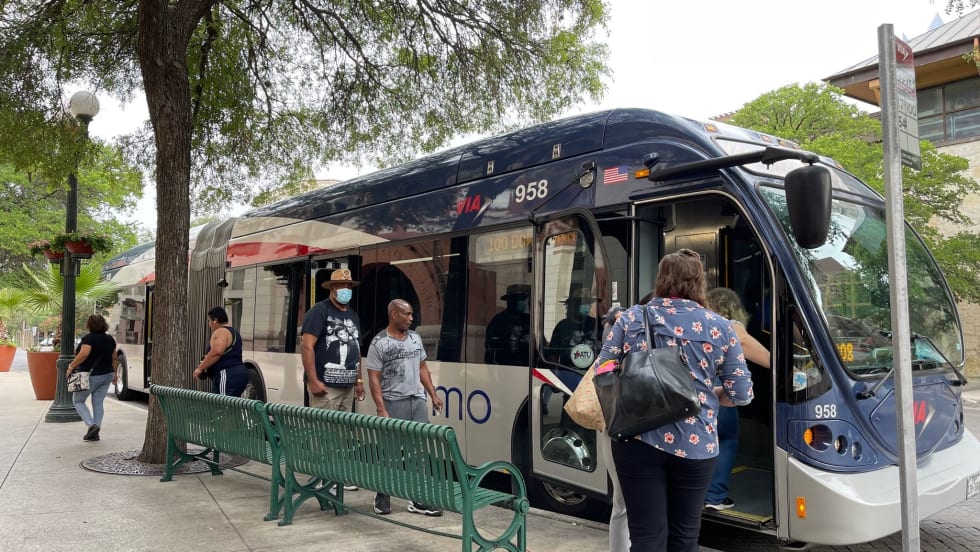
VIA Bus Ridership Grows 10.1% Through August 2026
San Antonio's VIA Metropolitan Transit reported the highest bus ridership growth among major Texas transit systems. Federal Transit Administration data ranked it second among the nation's 50 largest transit systems.
Read More →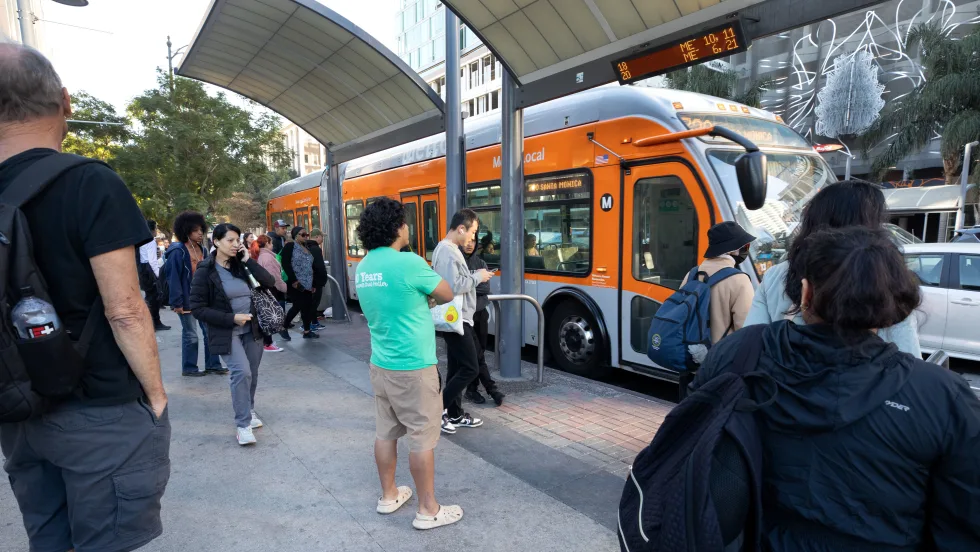
LA Metro September Ridership Climbs 3.9%, Led by Rail Growth
The agency recorded more than 27.2 million boardings, with rail ridership increasing 12.4% year over year and the D Line posting the largest gains.
Read More →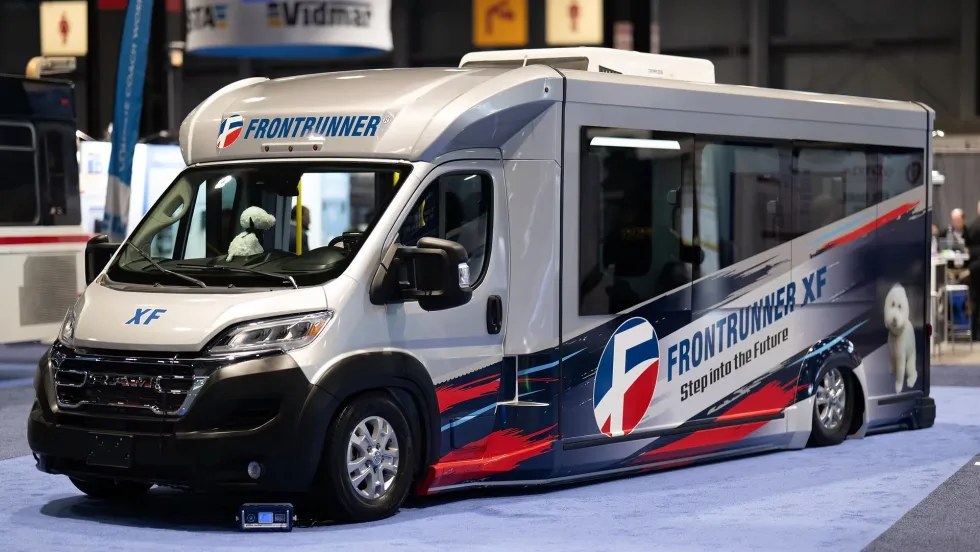
Frontrunner Bus Group Introduces XF Low-Floor Bus with Enhanced Accessibility
The new mid-sized bus features a full flat-floor design, eight-inch curbside step-in height, and zero-entry rear ramp to improve passenger access and operational flexibility.
Read More →
Scenes from APTA TRANSform & EXPO 2026
Transit leaders, manufacturers, and industry professionals gathered in Chicago to explore new technologies, share ideas, and discuss the future of public transportation.
Read More →
More Than a Summer Job: Building the Next Generation of Transit Talent
The Delaware River Port Authority and PATCO have transformed their internship program into a hands-on professional development experience that introduces students to the breadth of transportation careers — and creates a pipeline for future employees.
Read More →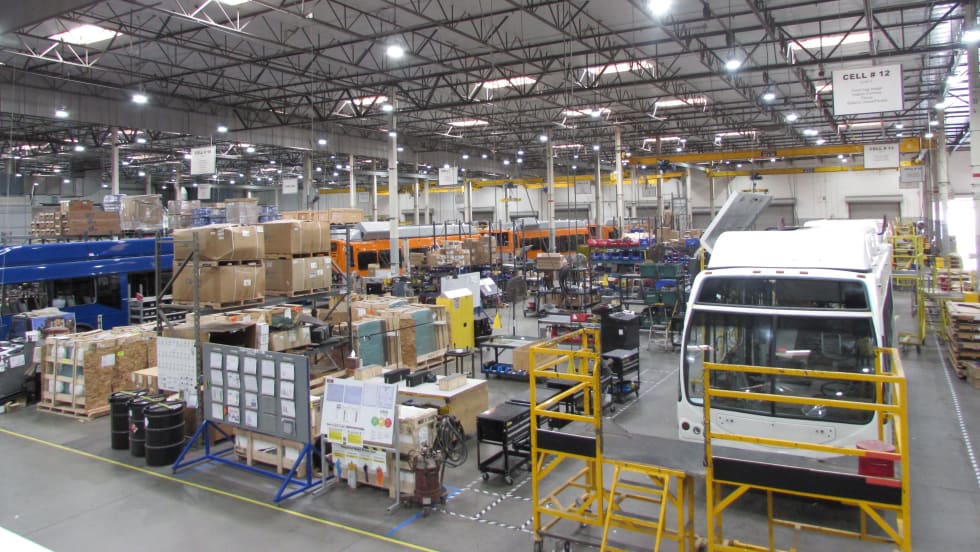
LA Metro Board Awards 220 Battery-Electric Bus Contract to ENC
The contract, which is the largest base award of battery-electric buses by a U.S. transit agency, will be built in Southern California, sustaining good jobs as LA prepares to welcome the world in 2028
Read More →
Public Transit Conference Returning to GFX in 2027, Call for Papers Now Open
The Call for Papers is now open, allowing transit agency professionals and industry experts to help shape the PTC educational program by submitting session ideas for consideration.
Read More →
Indian River Transit’s Community-Focused Approach Earns National Recognition
Named APTA’s 2026 Outstanding Public Transportation System in its size category, Florida’s Indian River County transit system continues to grow ridership through fare-free service and a focus on evolving community needs.
Read More →
ENC Lands MATA Contract and More in Biz Briefs
In this edition of Biz Briefs, we spotlight the latest developments shaping the future of mobility.
Read More →
From Surviving to Thriving: Building Stronger Transportation Organizations
Bus Business Consultants founder Brian Dickson shares lessons on leadership, organizational health, and creating options for long-term success in a changing transportation industry.
Read More →