



D.C. Metro debuts express service, hybrid buses
For the first time, more than 16,000 riders who board buses daily on the 16th Street Line in Northwest Washington have the option to ride a new limited-stop service.

[IMAGE]WMATA-express-full.jpg[/IMAGE]
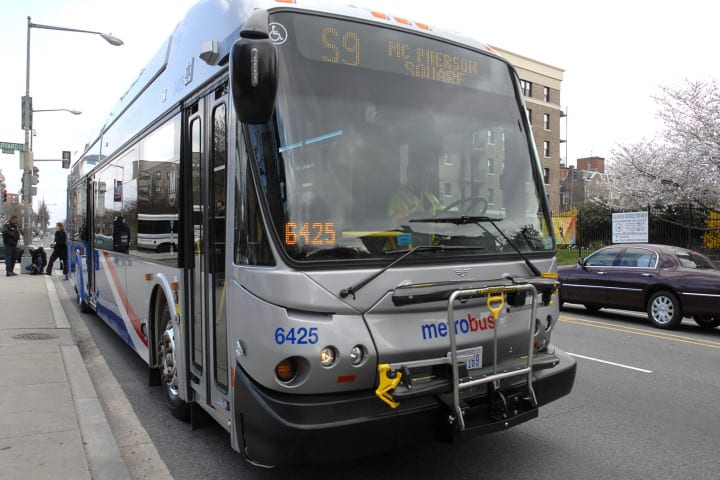
Rush hour express buses, new buses and even more service began running Monday on Washington Metropolitan Area Transit Authority’s (Metro) third-busiest bus line.
For the first time, more than 16,000 riders who board buses daily on the 16th Street Line in Northwest Washington have the option to ride a new limited-stop service.
"We support the improvements made by WMATA to 16th Street Line service," said District of Columbia Mayor Adrian Fenty. "The addition of the S9 Metrobus Express route is a breath of fresh air for public transportation in the District of Columbia."
Fenty, Metro Board Chairman Jim Graham and D.C. Councilmember Muriel Bowser; Metro General Manager John Catoe; and D.C. Department of Transportation Director Gabe Klein were at the Columbia Road and 16th Street stop for the service’s debut.
The first of Metro’s new 42-foot blue and silver hybrid-electric buses, manufactured by New Flyer, also began serving the new S9 route today, which has fewer stops and is shorter than the S1, S2 and S4 routes that currently make up the line. A total of 203 new hybrid-electric buses are scheduled to be in service this fall. Thirty-eight will have the new express color scheme, and 10 will be dedicated to the S9 route.
Instead of 54 stops one-way from the Silver Spring Metrorail station to McPherson Square, there will be 16 stops from Silver Spring to McPherson Square. Buses are scheduled to arrive every 10 minutes weekdays from 6:30 a.m. to 10 a.m. and from 3 p.m. to 7 p.m. Riders can save 6 minutes to 8 minutes from their travel times by using the new service.
“All of the S9 stops along the route will have a new and different bus stop flag. Most of the stops will have new District Department of Transportation bus shelters. Riders will find easy-to-read schedules posted at each S9 stop, and later this year, the stops will have NextBus information,” said Catoe.
Besides the new buses and limited stop service, Metro also added four extra bus trips to the S1 route and new, longer articulated buses will be added at night to the S2 and S4 routes later this year to provide more room for riders.
Metro currently operates 171 bus lines with an average weekday ridership of about 450,000. The transit agency has five express bus routes, which run along Georgia Avenue (70s Line), and Wisconsin and Pennsylvania Avenues (30s Line) in the District of Columbia.; REX, which runs along Richmond Highway in Fairfax County; Pike Ride on Columbia Pike, Crystal City-Potomac Yard (9A,9E,9S) in Arlington and the NH1 route to National Harbor in Prince George's County. Planners also are studying adding express service on Veirs Mill Road (Q2) in Montgomery County and Leesburg Pike (28AB, 28FG, 28T) in Alexandria, Falls Church and Fairfax County. Metro officials plan to have a total of 24 express routes launched by 2015.
A more than two-year trial of the S9 service is estimated to cost about $3.6 million and will be paid for by the District of Columbia. Metro will evaluate the service in six months.
Metro planners hope that buses eventually will get green light signals ahead of other vehicles, lanes that would put them in front of other traffic and dedicated bus lanes, which would make express service even faster.
More Bus
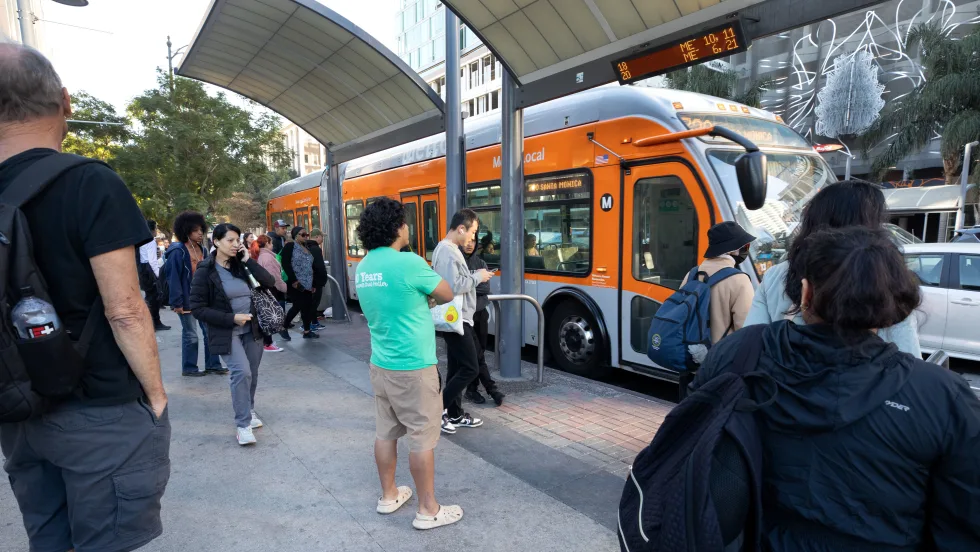
LA Metro September Ridership Climbs 3.9%, Led by Rail Growth
The agency recorded more than 27.2 million boardings, with rail ridership increasing 12.4% year over year and the D Line posting the largest gains.
Read More →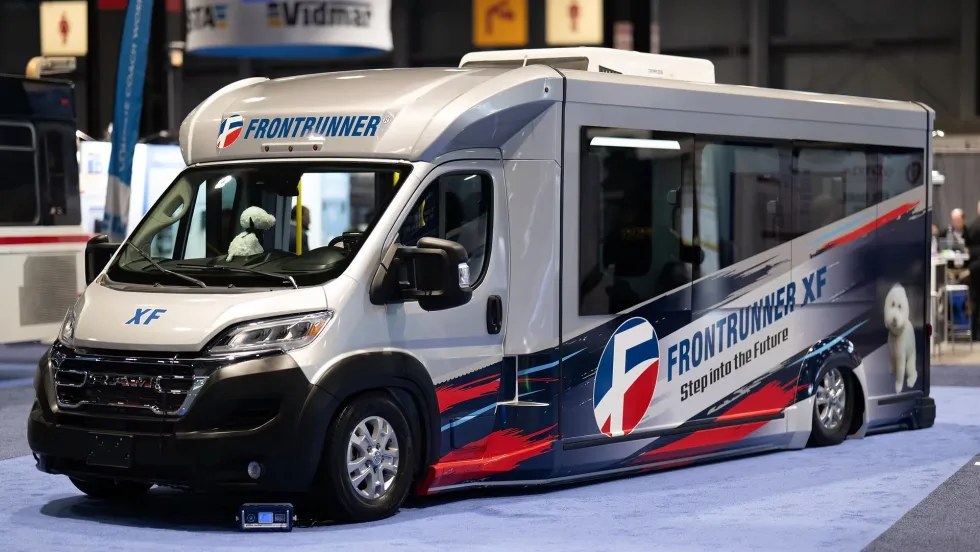
Frontrunner Bus Group Introduces XF Low-Floor Bus with Enhanced Accessibility
The new mid-sized bus features a full flat-floor design, eight-inch curbside step-in height, and zero-entry rear ramp to improve passenger access and operational flexibility.
Read More →
Scenes from APTA TRANSform & EXPO 2026
Transit leaders, manufacturers, and industry professionals gathered in Chicago to explore new technologies, share ideas, and discuss the future of public transportation.
Read More →
More Than a Summer Job: Building the Next Generation of Transit Talent
The Delaware River Port Authority and PATCO have transformed their internship program into a hands-on professional development experience that introduces students to the breadth of transportation careers — and creates a pipeline for future employees.
Read More →
LA Metro Board Awards 220 Battery-Electric Bus Contract to ENC
The contract, which is the largest base award of battery-electric buses by a U.S. transit agency, will be built in Southern California, sustaining good jobs as LA prepares to welcome the world in 2028
Read More →
Public Transit Conference Returning to GFX in 2027, Call for Papers Now Open
The Call for Papers is now open, allowing transit agency professionals and industry experts to help shape the PTC educational program by submitting session ideas for consideration.
Read More →
Indian River Transit’s Community-Focused Approach Earns National Recognition
Named APTA’s 2026 Outstanding Public Transportation System in its size category, Florida’s Indian River County transit system continues to grow ridership through fare-free service and a focus on evolving community needs.
Read More →
ENC Lands MATA Contract and More in Biz Briefs
In this edition of Biz Briefs, we spotlight the latest developments shaping the future of mobility.
Read More →
From Surviving to Thriving: Building Stronger Transportation Organizations
Bus Business Consultants founder Brian Dickson shares lessons on leadership, organizational health, and creating options for long-term success in a changing transportation industry.
Read More →
Everett Transit, Community Transit Outline Consolidation Agreement
The proposed agreement calls for a 50% increase in bus service in Everett, a new microtransit zone, continued paratransit service, and the transfer of Everett Transit operations to Community Transit.
Read More →