Articles
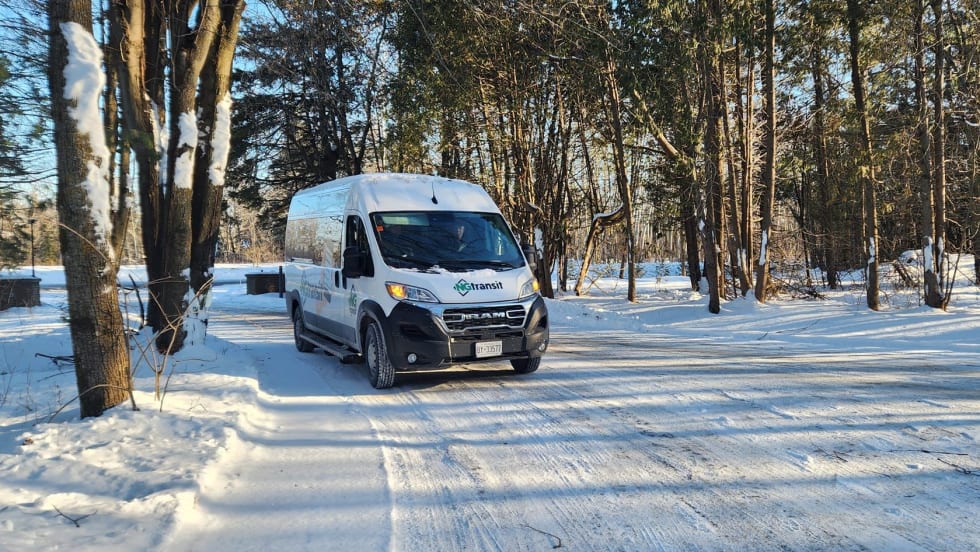
Right-Sizing Rural Transit: Lessons from North Grenville’s On-Demand Model
A small municipality shows how flexible service, rider needs, and public accountability can expand mobility with limited resources.
Read More →

 MENU
 SEARCH
A small municipality shows how flexible service, rider needs, and public accountability can expand mobility with limited resources.
Read More →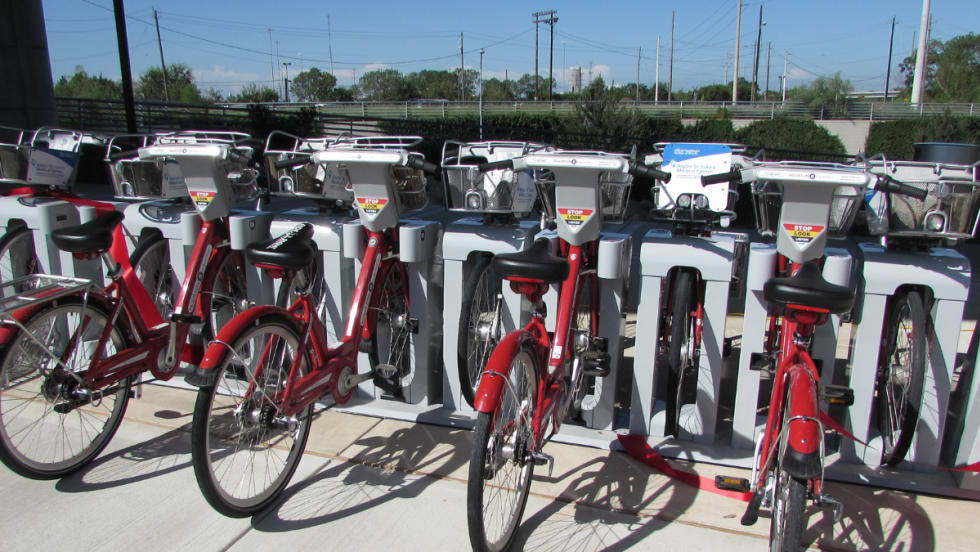
Bike sharing is touted as a measure that’s good for people’s health, for the environment, and for life in busy cities.

Here are best practices for transit operators to keep up with the ever-increasing demand and changing requirements for transporting bikes on transit.

The investment electrifying ferries is just one component of the Bipartisan Infrastructure Law’s major investment in moving to electric transportation infrastructure.
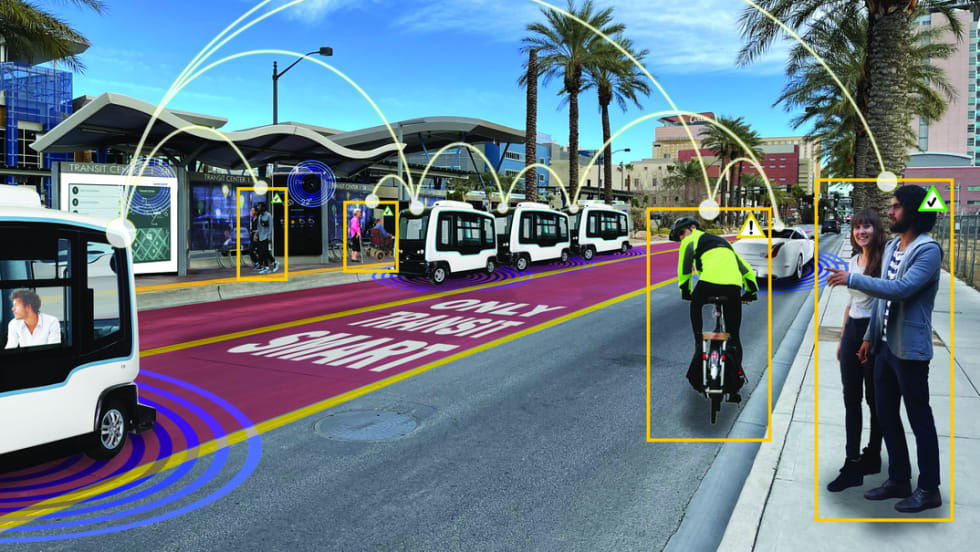
There are four autonomous vehicle use cases transit agencies can plan for right now and some are already being used successfully around the nation.
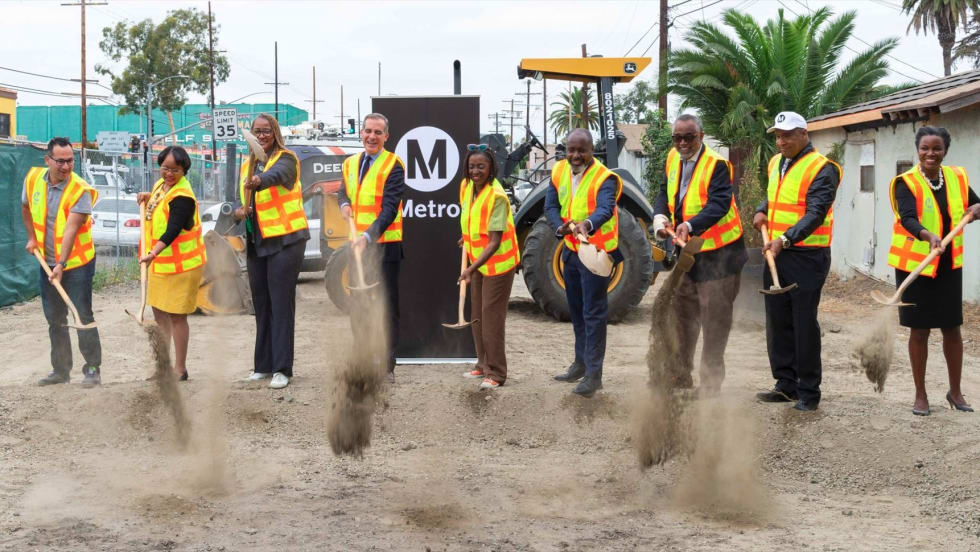
The new 5.5-mile bicycle and pedestrian path that will transform a blighted, unused rail corridor in South Los Angeles and connect local bicyclists and walkers to current and future Metro rail lines in South Los Angeles.
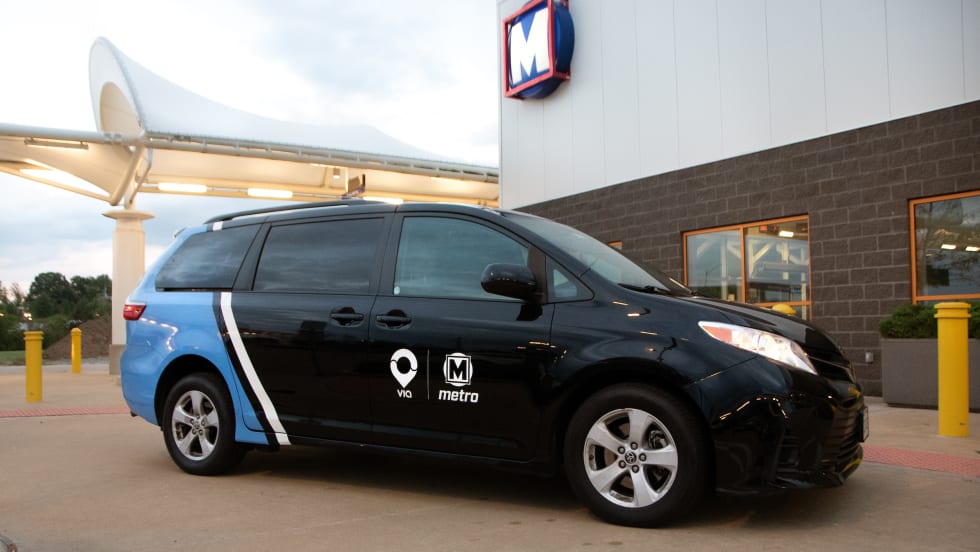
Via Metro STL, which is powered by Via, extends the reach of the region’s Metro Transit system by providing riders with affordable and convenient first-mile/last-mile connections between destinations in St. Louis County.
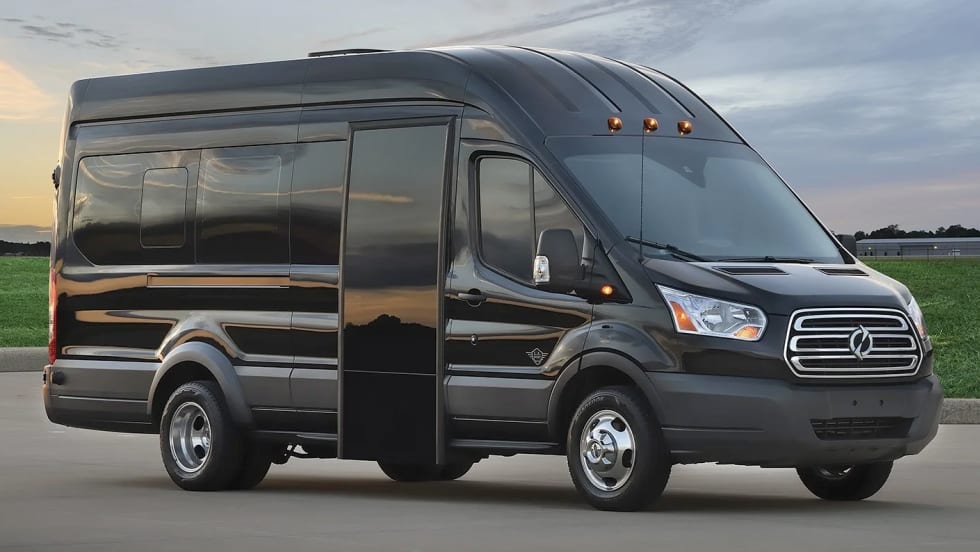
The all-electric vehicles include Class 3 passenger vans and Class 7 motorcoaches, which are all currently either in service, or soon to be in service, at some of the leading tech companies in the region.
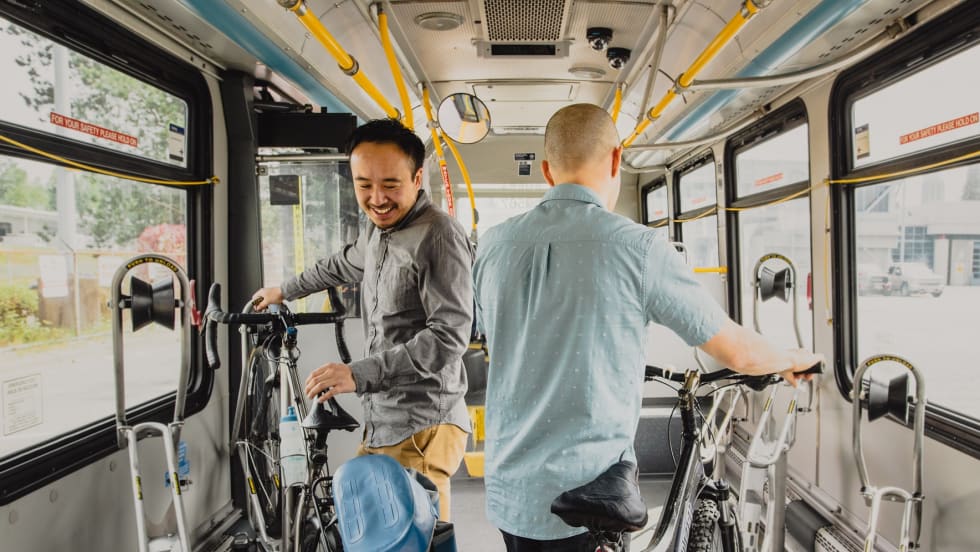
The project is part of TransLink’s Customer Experience Action Plan, announced in March.

GCRTA has joined EZfare, the fare platform used by 14 transit agencies across the region, and is promoting EZfare mobile payment in the Transit app.
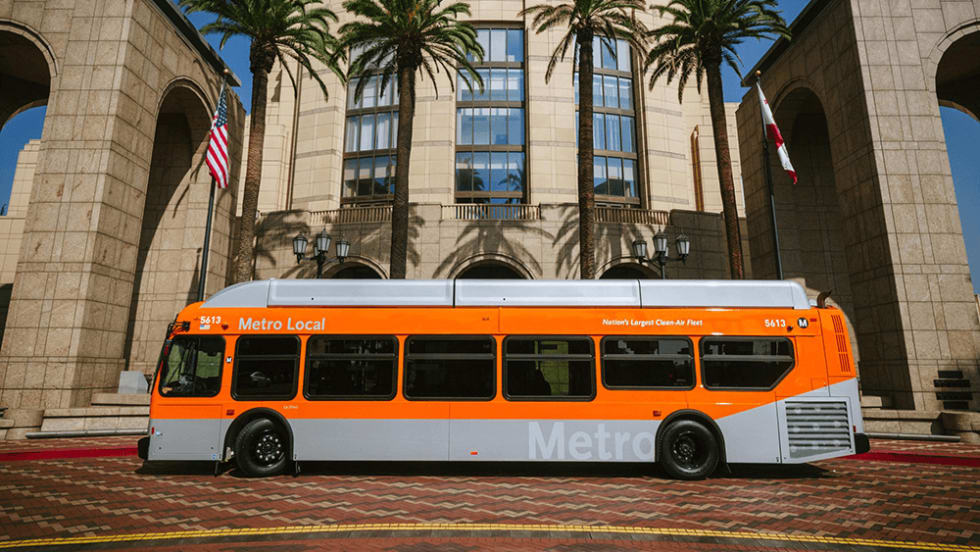
This is a great opportunity to highlight the successes of your bus operation or company.