



Amtrak's shortcomings accentuated in 'End of the Line'
New book by former Amtrak employee Joe Vranich makes the case for reforming national railroad.

In the introduction of End of the Line: The Failure of Amtrak Reform and the Future of America’s Passenger Railroad, author Joe Vranich extols the right to change one’s mind. After all, he says, “I helped to create Amtrak, and later advocated its expansion.” From there, the reasons for his change of heart are delineated. Vranich, a long-time passenger rail buff and former spokesperson for Amtrak, attempts to shed light on the shortcomings of the system while advocating for widespread intercity rail reform. In a nutshell, Vranich believes that Amtrak is often wasteful, sometimes corrupt and ultimately ineffective. The future of the railroad lies in private-public partnerships and competition, possibly following examples set by several major intercity rail systems in Europe and Asia, the book argues. Quoting sources ranging from the Washington Post to the Congressional Record, Vranich relies heavily on comments and reports from third-party sources. The result is an extensively researched book with four appendices that cover 30 pages, as well as an index and nearly 50 pages of footnotes and references. Amtrak’s letdowns, Vranich asserts, occur in several areas, including the squandering of multiple federal funding sources, the suppression of critical financial information, the shoddiness of infrastructure and a lack of creativity and innovation in running the company. In short, Vranich argues that taxpayer subsidies are greatly disproportionate to the public’s minimal use of the system, and the railroad’s condition will only worsen without change. The book, Vranich’s third on the subject, oscillates between objective exposition and full-on attack. The following are sample passages: “For New York travelers, if safety is a concern, they are better off flying.” “Advocates have routinely overestimated the revenues that Amtrak would earn, underestimated capital costs and tortured logic to claim that Amtrak somehow contributes to economic growth.” “Year after year, we have heard that Amtrak’s fortunes will improve — and year after year, Amtrak skirts bankruptcy.” Despite some of the harsher words, Vranich concedes that Amtrak’s biggest problems are often less the result of horrible business practices and more a fault of a poor design from the start. The book, which focuses mainly on developments since the 1997 Amtrak Reform and Accountability Act, calls for legislation to reform the company and rectify these past mistakes. Vranich closes with the following passage: “The public interest would best be served by eliminating disincentives to private-sector involvement in rail passenger service, replacing Amtrak with more sensible alternatives and providing useful rail transportation at a cost the public can afford.” It’s unclear whether or not any of Vranich’s claims will prove prophetic. What is for sure is that the book’s release is well-timed, as Amtrak reform has become an important tenet of President Bush’s second-term policy.
More Management
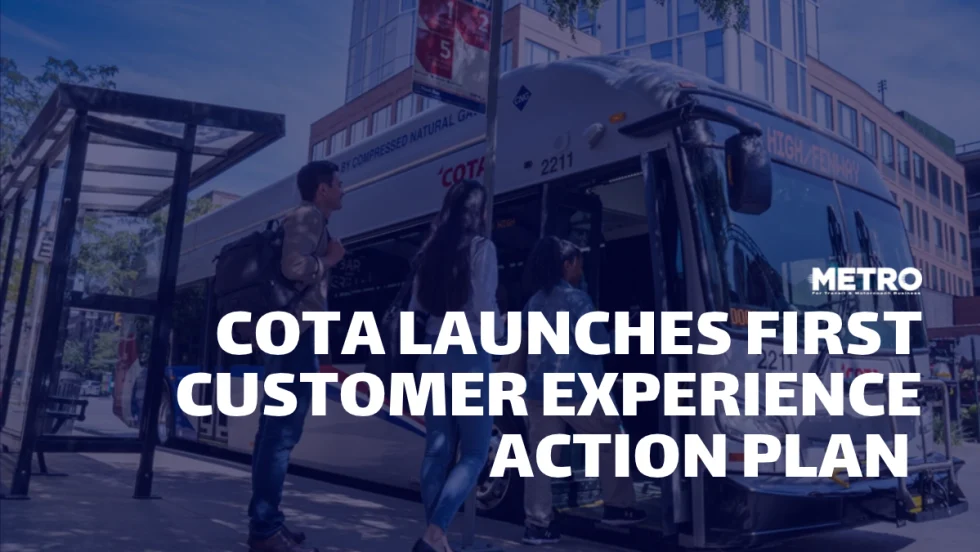
COTA Launches First Customer Experience Action Plan to Improve Transit Service
The new plan outlines improvements to service reliability, accessibility, communication, and the overall rider experience across Central Ohio's transit system.
Read More →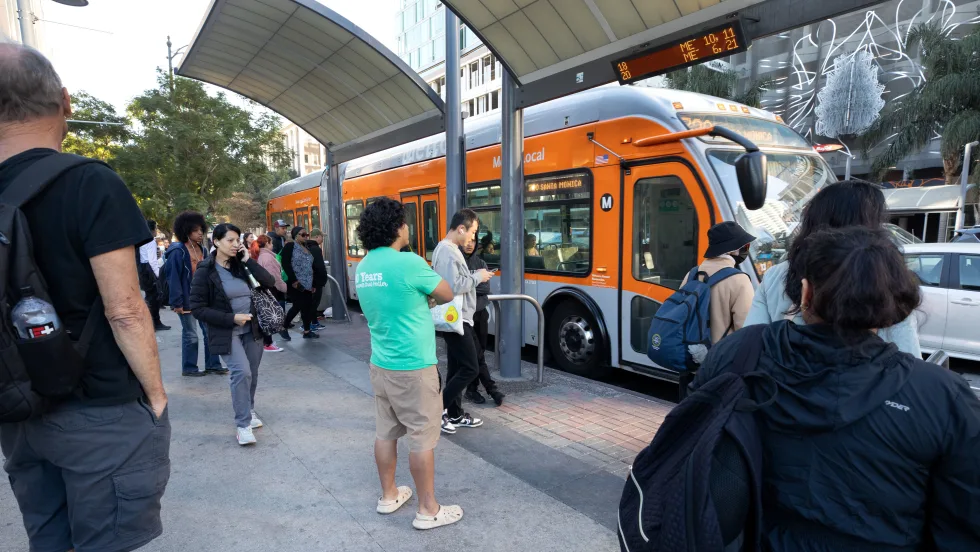
LA Metro September Ridership Climbs 3.9%, Led by Rail Growth
The agency recorded more than 27.2 million boardings, with rail ridership increasing 12.4% year over year and the D Line posting the largest gains.
Read More →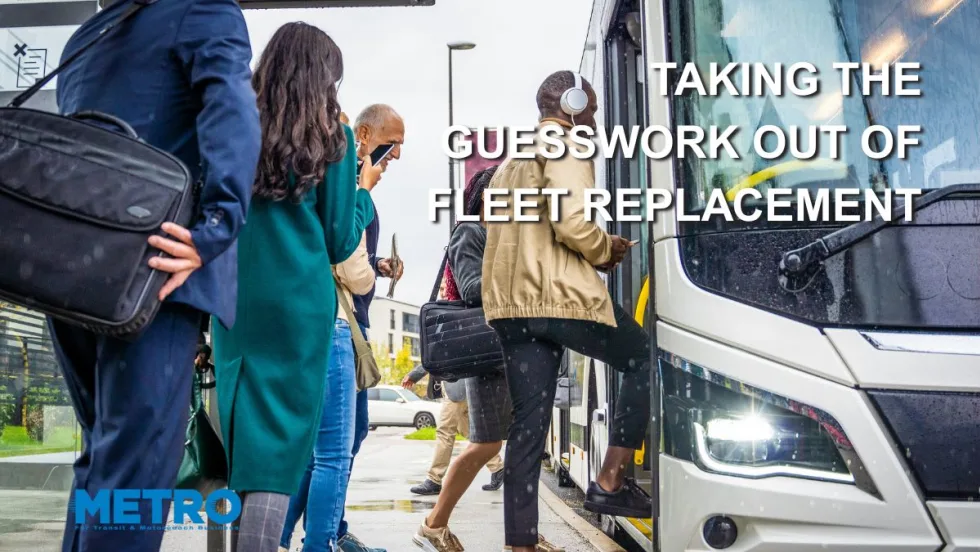
Utilimarc Launches SmartReplace to Optimize Fleet Replacement Decisions
AI-powered SmartReplace helps fleets prioritize vehicle replacements, model budget scenarios, and build more defensible long-term strategies.
Read More →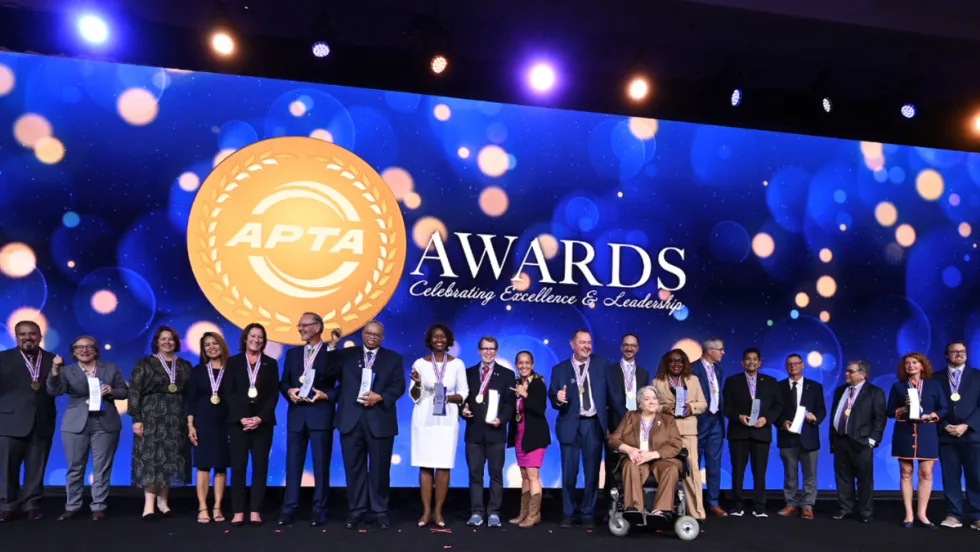
APTA Honors 2026 Award Winners, Hall of Fame Inductees at TRANSform & EXPO
Innovations in autonomous and zero-emission transportation, standout transit systems, and industry leadership took center stage among this year's honorees.
Read More →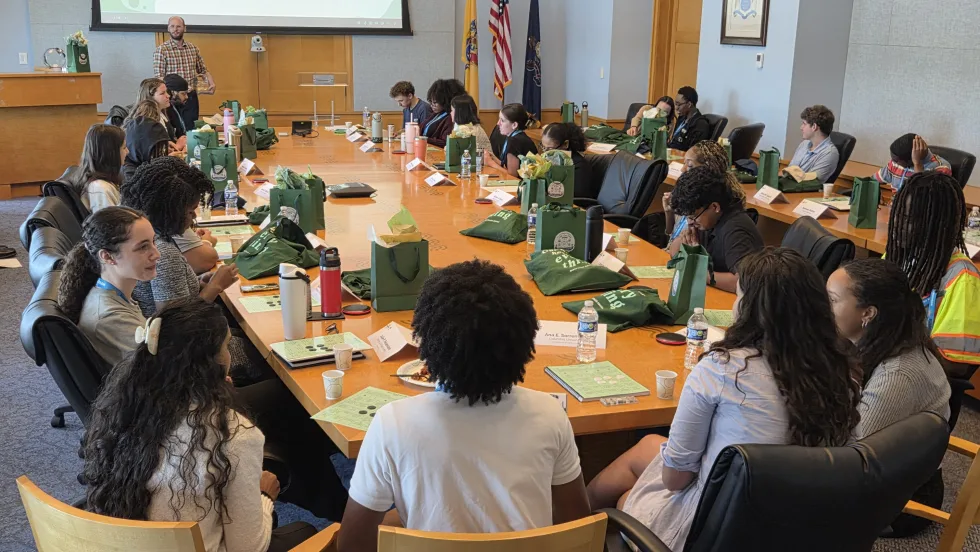
7 Ways to Build a Better Transit Internship Program
Lessons from DRPA/PATCO’s approach to creating a meaningful internship experience—and developing the next generation of transportation professionals.
Read More →
Scenes from APTA TRANSform & EXPO 2026
Transit leaders, manufacturers, and industry professionals gathered in Chicago to explore new technologies, share ideas, and discuss the future of public transportation.
Read More →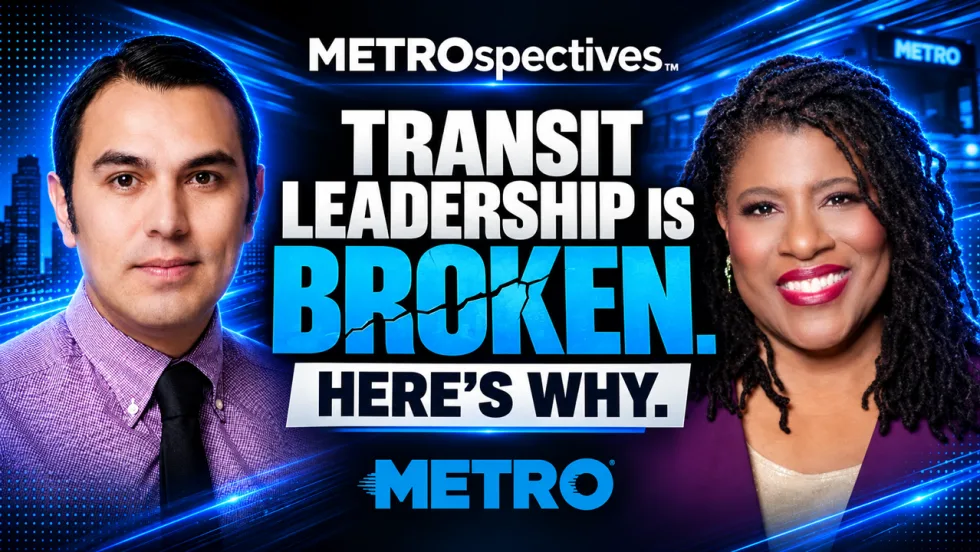
Building Stronger Leaders, More Resilient Transit Teams
Dr. Carol Parker Walsh discusses leadership development, employee retention, workplace culture, and preparing transit’s workforce for AI and automation.
Read More →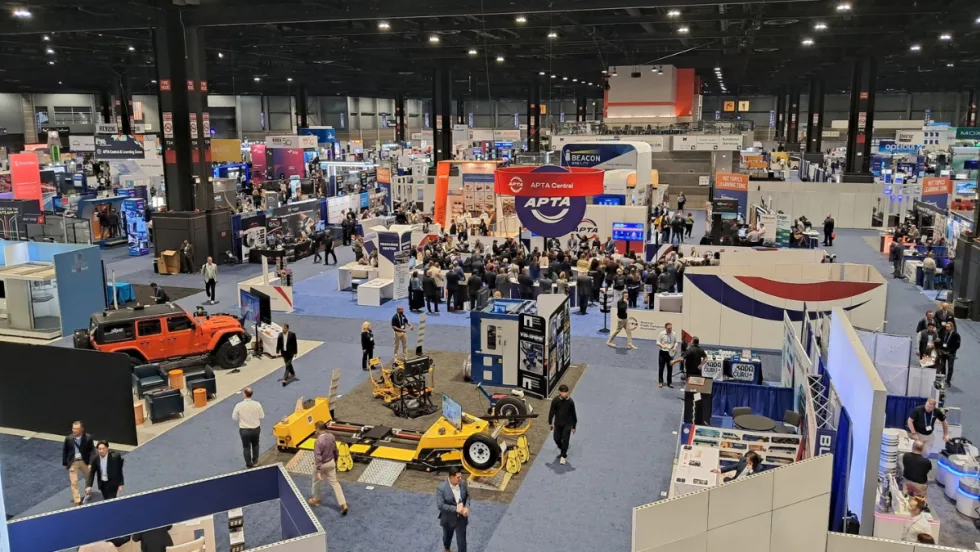
APTA 2026 TRANSform & EXPO Kicks Off in Chicago
After 45 years, APTA returns to Chicago with a focus on next-generation fleets, AI, connected transit networks, and the funding strategies shaping public transportation’s future.
Read More →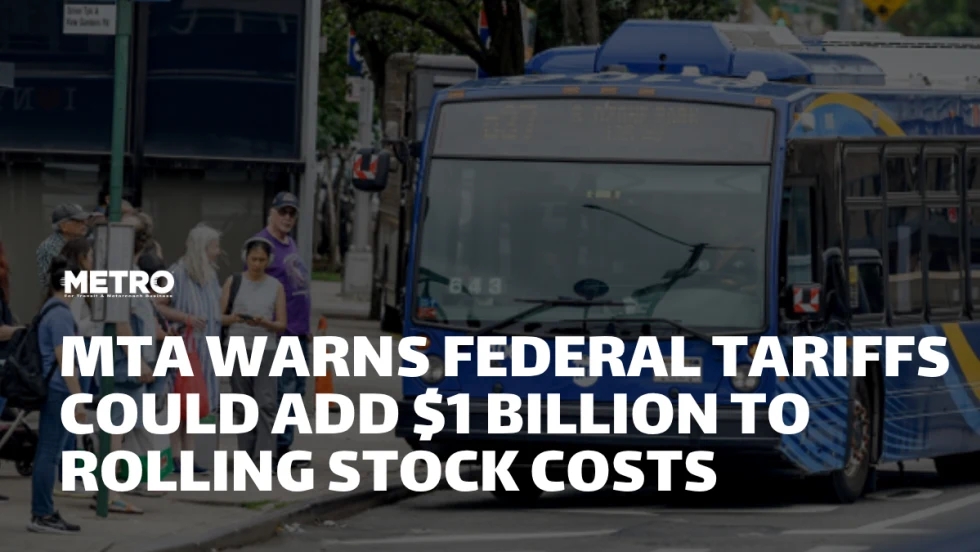
New York MTA Warns Federal Tariffs Could Add $1 Billion to Rolling Stock Costs
The agency said tariffs on specialized imported components could reduce the purchasing power of its $23 billion investment in new subway cars, railcars, and buses.
Read More →
From the Show Floor: What Happened at APTA TRANSform & EXPO 2026
See the latest product launches, partnerships, technology updates, and transit industry announcements from APTA TRANSform & EXPO in Chicago.
Read More →