



Chicago Transit budget proposal continues modernization, holds fares steady
Will also invest $310 million into the $2.3 billion Red Line extension project extending line by 5.3 miles, with four new stations.

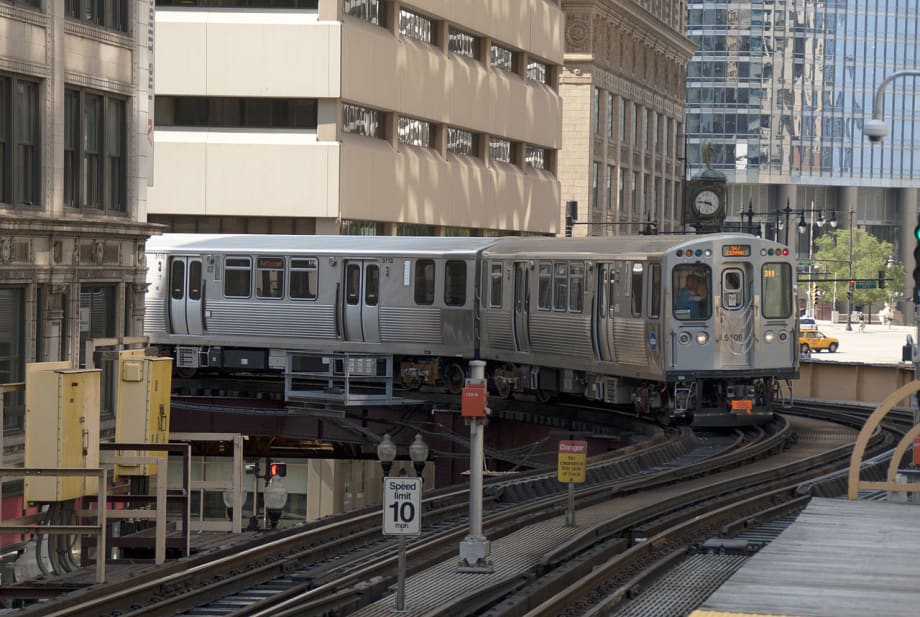
The CTA’s proposed $5.1 billion five-year capital budget for 2020 to 2024 continues more than $8 billion of historic transit investment completed, begun or announced since 2011.
Douglas Rahden
The CTA’s proposed $5.1 billion five-year capital budget for 2020 to 2024 continues more than $8 billion of historic transit investment completed, begun or announced since 2011.
Douglas Rahden
The Chicago Transit Authority (CTA) proposed a balanced $1.57 billion operating budget that continues the agency’s unprecedented efforts to modernize its infrastructure and improve the CTA travel experience for customers across the city — while holding the line on fares and maintaining service levels.
The CTA’s proposed $5.1 billion five-year capital budget for 2020 to 2024 continues more than $8 billion of historic transit investment completed, begun, or announced since 2011. Those projects include rehabilitating rail stations and building new ones, continued expansion of the public art program, modernizing rail and bus fleets, removing rail slow zones, and adding new technologies — work that improves reliability, reduces commuting times, strengthens safety and security, and improves the overall commuting experience.
Additionally, the 2020 budget includes $78 million in funding for the All Stations Accessibility Program (ASAP), CTA’s comprehensive plan to make all rail stations 100% vertically accessible. CTA’s President, Dorval Carter in 2018, ASAP is the first-ever blueprint for modernizing the 42 rail stations that are non-vertically accessible, as well as upgrading or replacing existing elevators system-wide.
Following a decade without a State capital plan, CTA received a significant funding commitment in 2019 with the passage of the State of Illinois’ Rebuild Illinois capital bill. The bill provides CTA with $1.2 billion in bond funding over the next five years and includes $141.5 million in earmarked projects, including:
Cottage Grove Green Line station overhaul ($60 million).
Blue Line O’Hare Branch traction power improvements ($50 million).
Blue Line O’Hare branch station upgrades, downtown to O’Hare ($31.5 million).
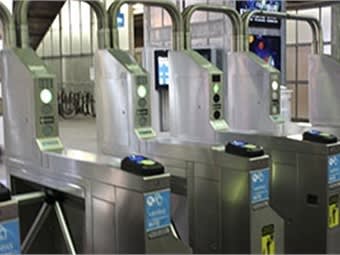
The proposed budget holds the line on fares and maintains service levels.
CTA
CTA will also invest $310 million into the $2.3 billion Red Line Extension (RLE) project, which will extend the Red Line South by 5.3 miles and include four new, fully accessible stations. This is the single most significant funding contribution that CTA has ever made towards the RLE project, and will fund engineering and design work needed to position the project to receive federal funding
Other capital projects to continue or begin in 2020 include:
Phase one of the Red and Purple Modernization Program, which broke ground this fall and will include the construction of a rail bypass to meet current and future capacity needs and rebuilding four Red Line stations, and track and signal systems.
Your New Blue Signal Improvements.
Delivery of 20 new electric buses.
Delivery of 10 prototypes of the 7000-series railcar, CTA’s newest-generation railcar.
In addition to the capital improvements, the 2020 budget includes more than $26 million in cost savings and operational efficiencies. Among the cost-cutting steps are a hiring freeze affecting 200 positions — an increase of 50 positions over FY2019 — and locking in power costs at historically low prices. Since 2015 under President Carter, the CTA has achieved approximately $170 million in cost-cutting savings, operational efficiencies and additional non-farebox revenue.
More Management

METRO Opens Submissions for 2026 Motorcoach Awards
Nominations are now being accepted for METRO Magazine’s Operator of the Year and Innovative Operator of the Year awards.
Read More →
New York MTA Advances Final Contract for Second Avenue Subway Expansion
Contract Four is the largest in the Second Avenue Subway Phase 2 project and includes construction of station infrastructure, tracks, and signals for the subway expansion, MTA officials said. Work on Contract Four will begin in 2027.
Read More →
Transit Agencies Highlight Safety Gains at National Summit
Leaders from 15 major transit systems shared crime-reduction results and safety initiatives while discussing the role of continued federal support.
Read More →

NITA Names New Leadership, Expands Reduced-Fare Program at First Board Meeting
The new regional transit authority appointed its first board chair and interim executive director while extending reduced fares across CTA, Metra, and Pace for eligible riders.
Read More →
Beyond the Checklist: A Structured Approach to Transit Maintenance
Reliability-Centered Maintenance helps transit agencies move beyond routine checklists to focus limited resources on the assets and failures that have the greatest impact on safety, reliability, and service.
Read More →
APTA 2026 Nominating Committee Selects Leadership Slate, Names Chair and Vice Chair Nominees
Leadership changes will help shape the association’s priorities and its representation of the transportation industry during the 2026–2027 term.
Read More →
DART Launches Major Security, Fare Enforcement Initiative
The 90-day demonstration will deploy coordinated security teams at five light rail stations while testing controlled access and gathering data to guide future investments.
Read More →
Advancing Fare Collection Through Technology and Innovation
Learn about delivering 1300 gates at 91 stations while managing fare evasion. Explore the large scale deployment, solution customization and real-world results that affect the region. Prepare for deployment in your region now.
Read More →
Game Day in Motion: Moving Millions During the 2026 World Cup
Between packed transit stations and team motorcoaches, see how agencies and operators across North America tackled the transportation demands of the 2026 FIFA World Cup.
Read More →
Surface Transportation Extension Averts Shutdown, Leaves Transit Funding Gap
The stopgap keeps federal transportation programs moving, but missing advance funding could complicate the transit and rail projects agencies are planning next.
Read More →