



San Diego's MTS continues bus, rail ridership gains
The last time MTS saw this level of ridership gains was in FY 2015, when the agency recorded back-to-back years of record ridership.

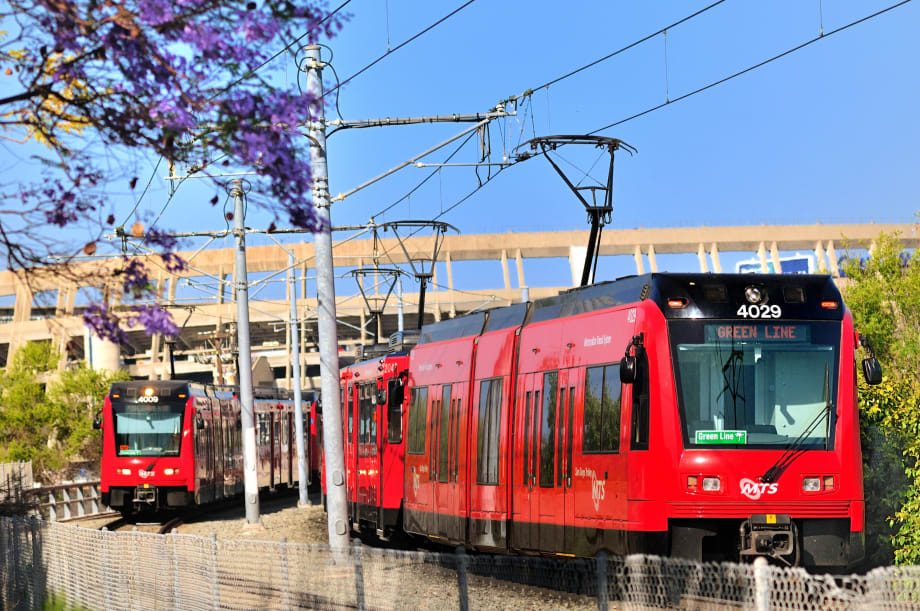
MTS' spike has been led by the Trolley, which last year posted eight straight months of year-over-year gains (April-November), including a 9% jump in September.
MTS
MTS' spike has been led by the Trolley, which last year posted eight straight months of year-over-year gains (April-November), including a 9% jump in September.
MTS
Ridership on San Diego’s Metropolitan Transit System (MTS) Trolley and bus network continued its steady climb reaching nearly 1.2 million extra passenger trips in the first six months of Fiscal Year 2020, which began on July 1. The last time MTS saw this level of ridership gains was in FY 2015, when the agency recorded back-to-back years of record ridership.
The spike has been led by the Trolley, which last year posted eight straight months of year-over-year gains (April-November), including a 9% jump in September.
“The increase in the first three months was encouraging, but you always want to see that sustained in the second quarter. We’ve made that jump,” said Paul Jablonski, MTS CEO.
On the rail side, Trolley ridership increased by 753,435 passenger trips in the first two quarters of the fiscal year. Notable is that Trolley ridership was 9.1% higher in September 2019 compared to the same month in 2018. On the bus side, ridership increased by 461,148 passenger trips in the first six months. Notable to this increase is that MTS buses had a 5% ridership spike in July, the largest year-over-year increase since October 2014.
In the first six months of the fiscal year, (July- December) bus and Trolley ridership combined has grown by 1.2 million compared to the same months in 2018. Going back even further, Trolley ridership has improved in 13 of the past 16 months compared to the same months in previous years.
According to MTS, there are many factors that can lead to ridership gains, including:
MTS completed its Transit Optimization Plan last year, and riders are now realizing the benefits of the $2 million plan that streamlined and added frequency to many routes.
MTS held its second annual Free Ride Day (Oct. 2), and results nearly doubled from the previous year — reporting a 30% spike in ridership. The trend also continued the rest of October with MTS reporting 293,928 more trips than that same month in 2018.
MTS introduced the new discounted $3 day-pass for youth, seniors, and people with disabilities or Medicare. Youth 30-day passes were also reduced $36 to $23.
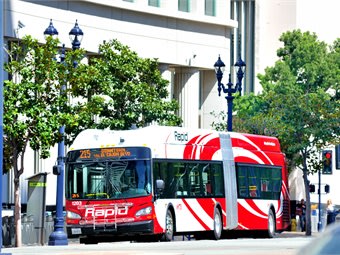
While Trolley ridership has led the resurgence, bus ridership has experienced more than 400,000 extra passenger trips over last year.
MTS
While Trolley ridership has led the resurgence, bus ridership has experienced more than 400,000 extra passenger trips over last year. Two major developments MTS said have helped it into the plus column, include:
The South Bay Rapid opened and average weekday ridership on that line is about 1,800 and climbing. The addition of this service from Otay Mesa to downtown, as well as the opening of a modern transit center just north of the Otay Mesa Border Crossing, has caused other routes serving the area to increase as well.
Additionally, MTS increased Rapid Superloop service at the end of January 2019. These routes, serving the University City area and UC San Diego, are showing weekday ridership topping 9,233 trips per weekday — an increase of 2,200 weekday trips over the same period of July-December 2019.
More Management
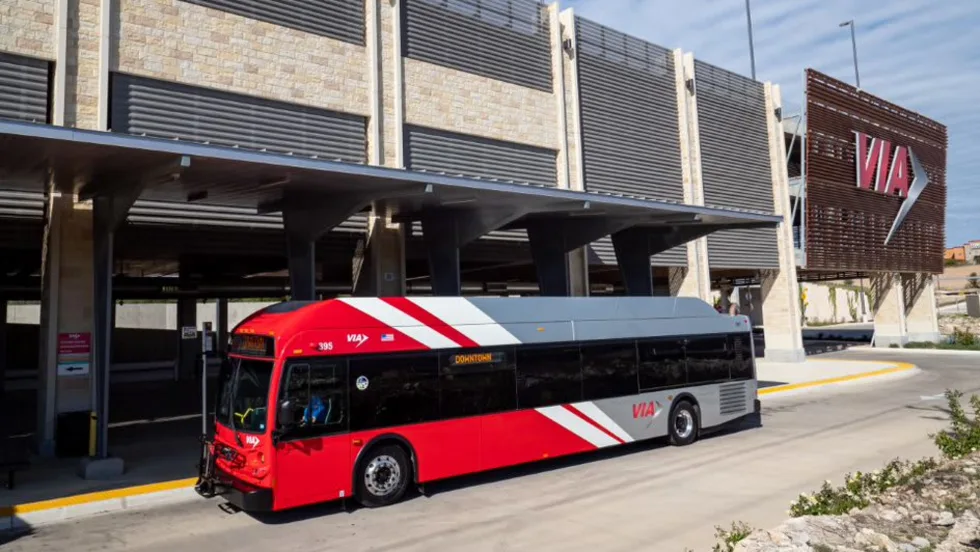
VIA, MBTA Reach Pre-Pandemic Ridership Milestones as Transit Use Climbs
VIA surpasses three million monthly trips for the first time since 2020, while the MBTA tops one million average weekday trips as both agencies report continued ridership growth.

People Movement: Metrolink's Kettle Announces Retirement, Feakins to CEO at UZURV, and More
In this edition, we also cover recent appointments and announcements at King County Metro, SilverRide, and more, showcasing the individuals helping to shape the future of transportation.
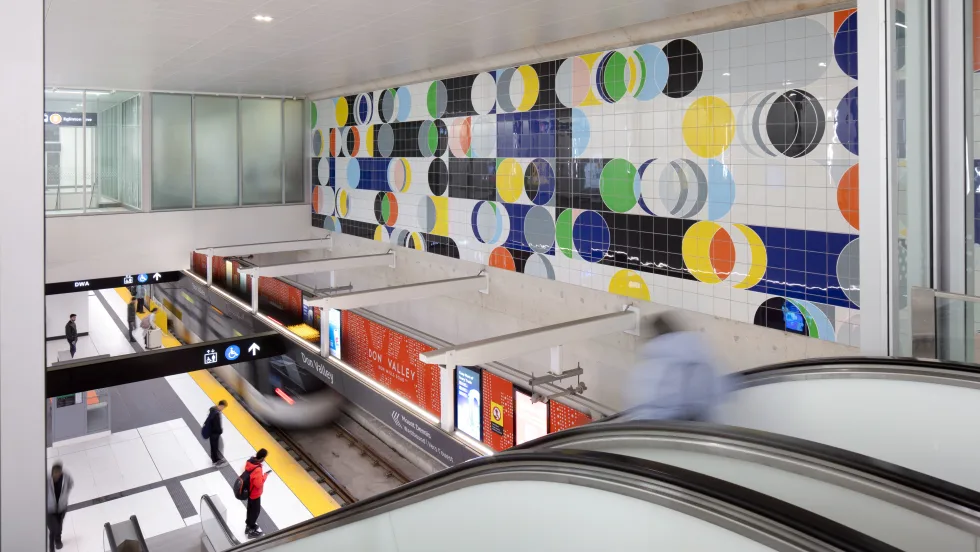
How Gen Z's Changing Mobility Habits Are Reshaping Public Transit
As younger generations embrace multimodal mobility over private vehicles, transit agencies can rethink station design, the passenger experience, and public transportation's role in building connected communities.
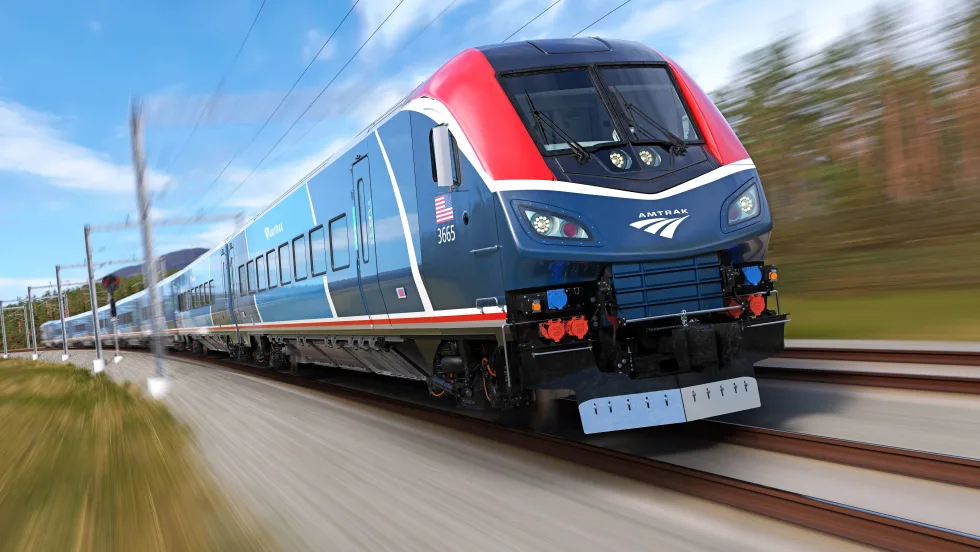
Amtrak Expands Airo Fleet with Eight Higher-Capacity Trainsets
The new 10-car trains, expected to enter service in 2031, will provide about 34% more seating capacity to meet growing demand on the Northeast Corridor.

APTA Urges FTA to Withdraw Proposed Capital Investment Grants Guidance
The association warns that proposed changes could delay transit projects, reduce federal funding, and create new hurdles for 47 projects currently in the CIG pipeline.

Amtrak, NJ TRANSIT Launch Full Service on New Portal North Bridge
The completion of the two-track bridge over the Hackensack River eliminates a longstanding source of delays for NJ TRANSIT and Amtrak customers. It marks a major milestone for the Gateway Program.
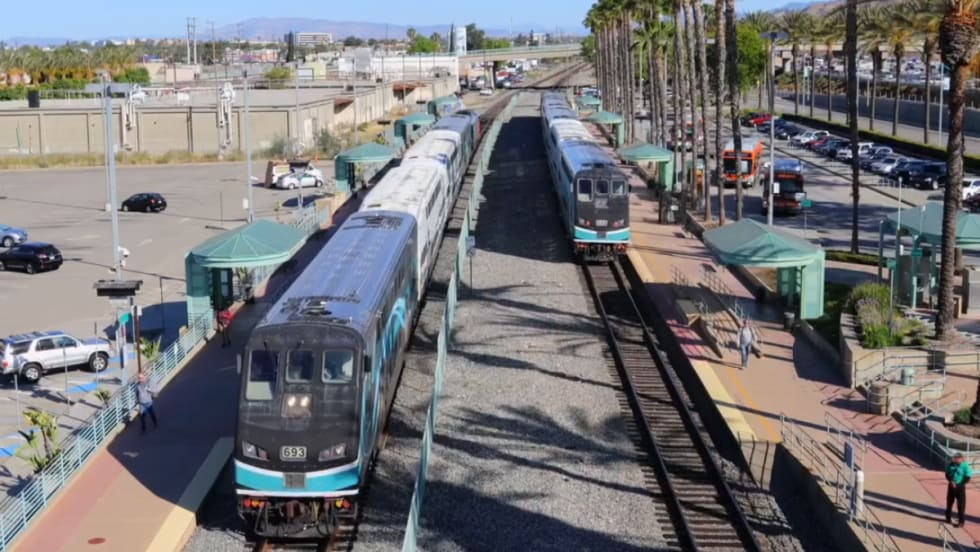
Southern California’s Metrolink Approves $508.8M Budget, Avoids Service Cuts
A $20 million state allocation allows the regional rail agency to maintain existing weekday and weekend service through fiscal year 2028, although longer-term funding challenges remain.
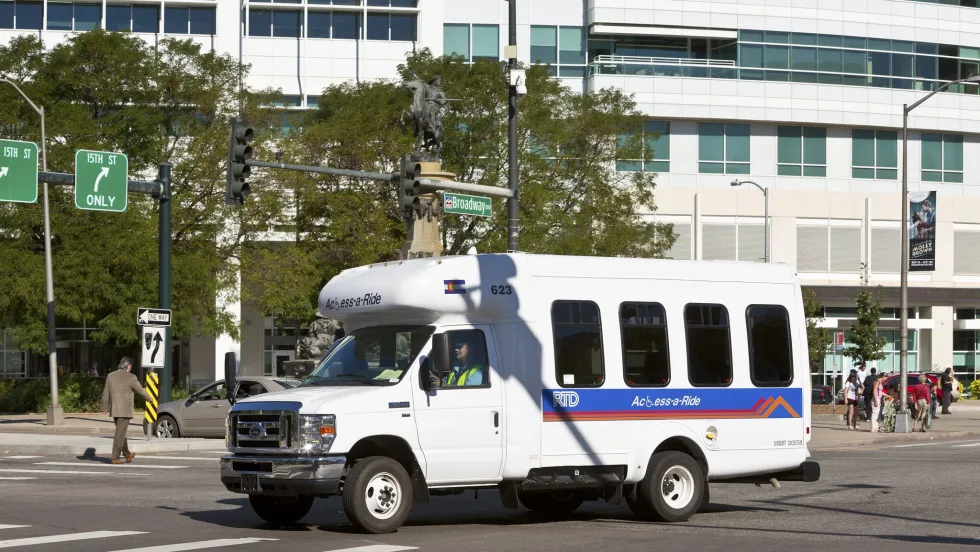
Denver RTD Committee to Review Paratransit Services, Improve Accessibility
The committee will oversee an independent study of paratransit operations, gather customer feedback, and recommend improvements to service reliability, accessibility, and accountability.

Castro to Lead RTC of Southern Nevada and More in People Movement
In this edition, we also cover recent appointments and announcements at the STV, MCI, and more, showcasing the individuals helping to shape the future of transportation.

STraffic Expands North American Presence with Fare Collection Technology
John Moon, Associate Director, Product Strategy at STraffic, discusses the company's growth in North America, its efforts to reduce fare evasion, and more.