



Athens Inaugurates New Metro System
After setbacks from impromptu archaeological digs and building one of the largest public works in Greek history, the Athens Metro was finally inaugurated in January.

After setbacks from impromptu archaeological digs and building one of the largest public works in Greek history, the Athens Metro was finally inaugurated in January. The underground metro will not be completed until 2002, at which point it will have 21 stations and two lines covering about 11 miles. The 28 six-car metro trains will operate at speeds of up to 50 mph and carry about 450,000 passengers daily. That is 120,000 more passengers than the daily passenger count on existing lines. The metro was built as a turnkey project by the Olympic Metro Consortium, led by Siemens and Interinfra (of which Alstom is the main shareholder), composed of 21 German, French and Greek companies. The $705 billion metro was financed about 50% by the European Union, 40% by the European Investment Bank and 10% by the Greek government. No single project has ever received more financial support from the EU and EIB, according to the Athens Metro website. The subway connects Athens' major urban points with residential districts. Metro officials said that it will help reverse the decrease in public transport use, especially since other modes of transit, like buses and railways, will connect to the Metro. Both the stations and trains were designed to accommodate people with special needs, who make up about 10% of Athens' population. Amenities include: signs and graphics that are easier to read and announce facilities, wheelchair-equipped elevators at all stations, a raised platform edge, ramps, audible door close warnings and station announcements. Olympic Metro is also building a station of 144,000 square yards for vehicle maintenance and repair.
More Management
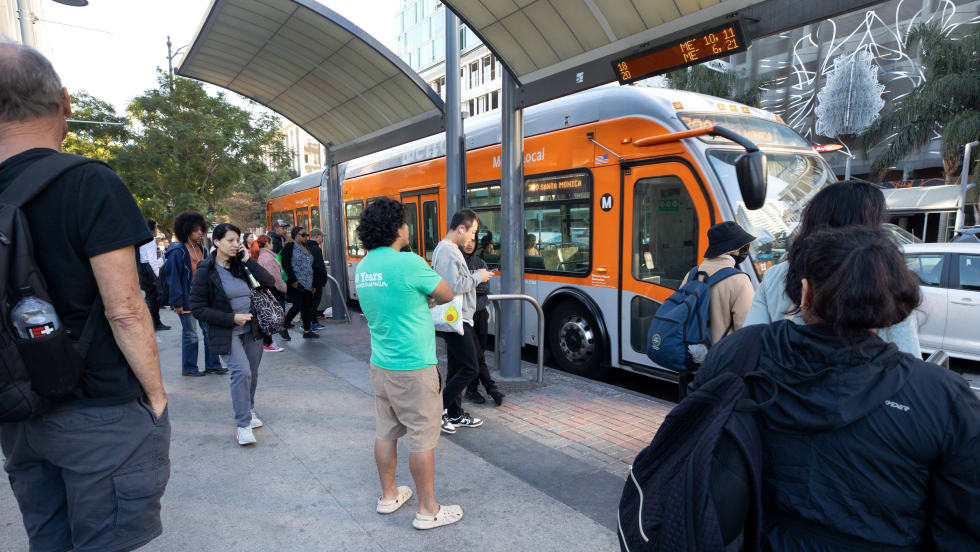
LA Metro Ridership Continues Growth as Rail Gains Accelerate
New rail connections and major events help drive continued ridership gains, with Metro recording its eighth consecutive month of year-over-year rail growth.
Read More →
TransDASH Summit Focuses on Measuring What Matters in Transit
Transit agencies unveil a national performance platform designed to benchmark customer experience, safety, community value, and other outcomes.
Read More →
Jacksonville’s NAVI Project Charts a New Course for Autonomous Public Transportation
Through its NAVI program, JTA is showing how autonomous vehicles, intelligent infrastructure, and coordinated operations can work together to deliver everyday public transportation.
Read More →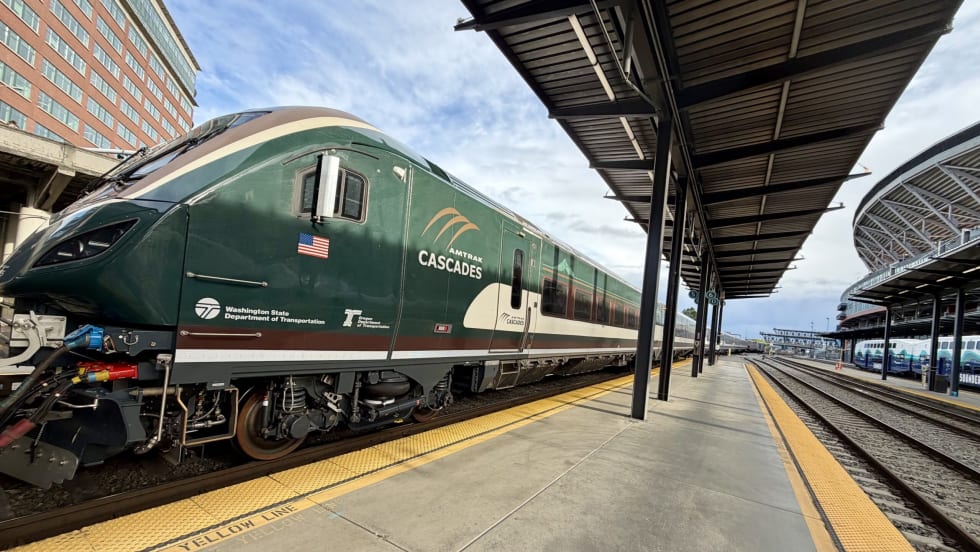
FRA Announces $5.3B in Rail Investments, Including $2B for Amtrak
Funding will support grade-crossing improvements, infrastructure upgrades, and new Amtrak equipment in 23 states.
Read More →
Finding the ‘Happy Medium’: Optimizing Maintenance Without Sacrificing Reliability
The key to maintenance optimization isn’t doing less work—it’s doing the right work at the right time on the right assets.
Read More →
People Movement: MARTA Drops Interim Tag on GM/CEO Hunt and More
In this edition, METRO covers recent appointments and announcements at the FMCSA, HDR, SilverRide, and more, showcasing the individuals helping to shape the future of transportation.
Read More →
VIA Metropolitan Transit Reports 2 Million More Passenger Trips as Better Bus Plan Gains Momentum
San Antonio's transit agency said accelerated service improvements are driving ridership growth, offering another example of how increased frequency and workforce investments can translate into stronger transit performance.
Read More →
ABAF Study Reveals Growing Insurance Crisis for Motorcoach Operators
Preliminary findings show 98% of operators faced premium increases over the past five years, while shrinking insurer participation is putting added pressure on businesses and customers.
Read More →
PSTA Modernizes Workforce Management with Digital Bidding System
The award-winning Workforce Transit Modernization project replaced paper bidding with a transparent digital platform, cutting administrative effort while improving access for operators.
Read More →
Chicago to Host Public Transportation's Biggest Gathering at APTA TRANSform & EXPO 2026
North America’s largest public transportation gathering returns to Chicago, connecting transit decision-makers with the technologies, ideas, and partnerships driving the industry forward.
Read More →