



Bangkok Awards Feeder Bus Franchise
The opening of the BTS Skytrain in December provided Bangkok commuters with a chance to use feeder bus services on 13 routes.

The opening of the BTS Skytrain in December provided Bangkok commuters with a chance to use feeder bus services on 13 routes. Bangkok Metropolitan Transportation Authority (BMTA), the regional transport agency, granted a feeder bus concession to Bangkok Transit System Corp. (BTSC), developer of the Skytrain project. BTSC, through its subsidiary, Bangkok Transit Feeder Co. (BTFC), opened feeder bus services in mid-January, a delay from its initial December 5 start. BTFC plans to introduce 175 air-conditioned buses with fares ranging between 8-18 baht to feed passengers to the Skytrain stations. The feeder bus concession has caused a duplication of existing BMTA routes for 135 buses, however. Consumer groups opposed the new concession, claiming it would cause some impact on the poor. BMTA has also already begun redirecting its bus network to help address the duplication with the new concession and also prepare to feed the future subway and Hopewell projects, which should be finished in the next few years. Meanwhile, the Thai cabinet has given a working group comprising Bangkok Metropolitan Authority (BMA), the capital region’s governing body, BMTA, and relevant agencies a three-month timetable to study the transfer of BMTA and present a conclusion to the cabinet again in early 2000. The working group has been initially charged with the objective of privatizing the daily administration of the city bus agency. Following that task, the entire agency must be privatized as a public company. The transfer will change the status of BMTA from a state enterprise to a publicly held company or a cooperative. By law, BMA itself is not allowed to run other state enterprises. The transfer should result in overhauling and streamlining of the agency, which now has 20,000 staff. BMTA's financial structure must also be revised before the transfer. Protests from BMTA staff over the privatization remain high, but they are not as strong as in 1998, reported the working group. However, employees remain concerned about keeping their jobs under a privatization scheme.
More Management
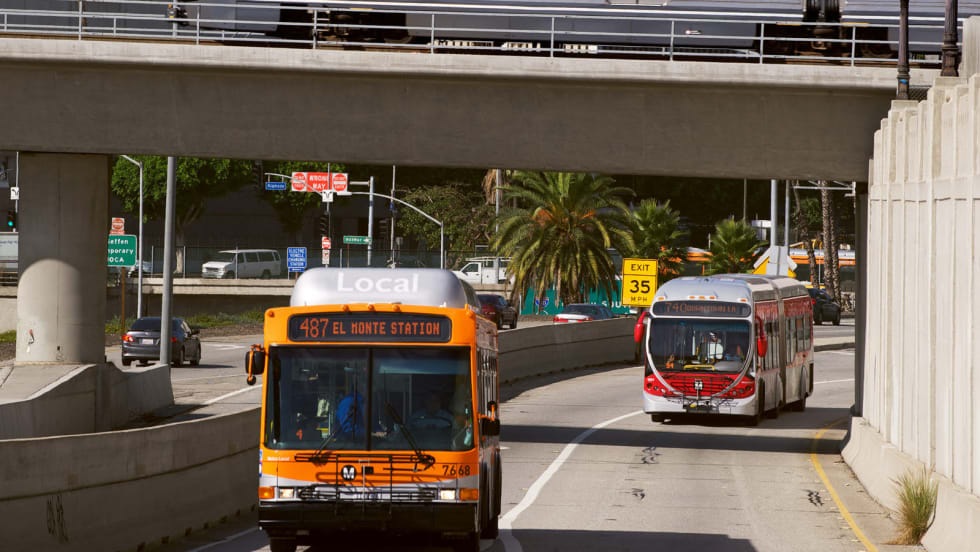
New Tricks for Old Bureaucracies: Joshua Schank on Making Transit Innovation Stick
Former LA Metro Chief Innovation Officer Joshua Schank discusses why good ideas aren't enough, how transit agencies can overcome resistance to change, and why today's challenges demand more innovation.
Read More →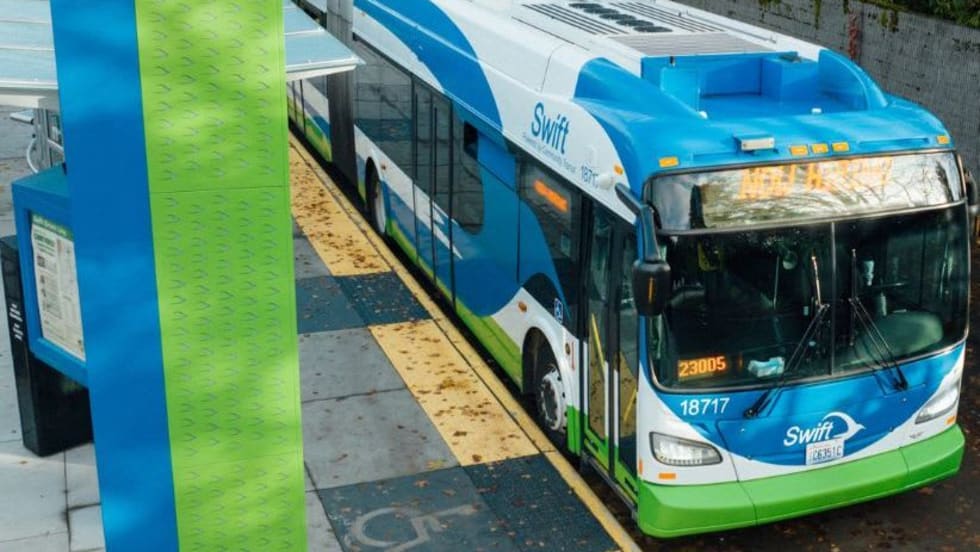
Washington's Community Transit Sets Six-Year Roadmap for Growth, Expansion
Approved TDP targets more bus service, new mobility options, Swift BRT expansion, and a potential Everett Transit annexation.
Read More →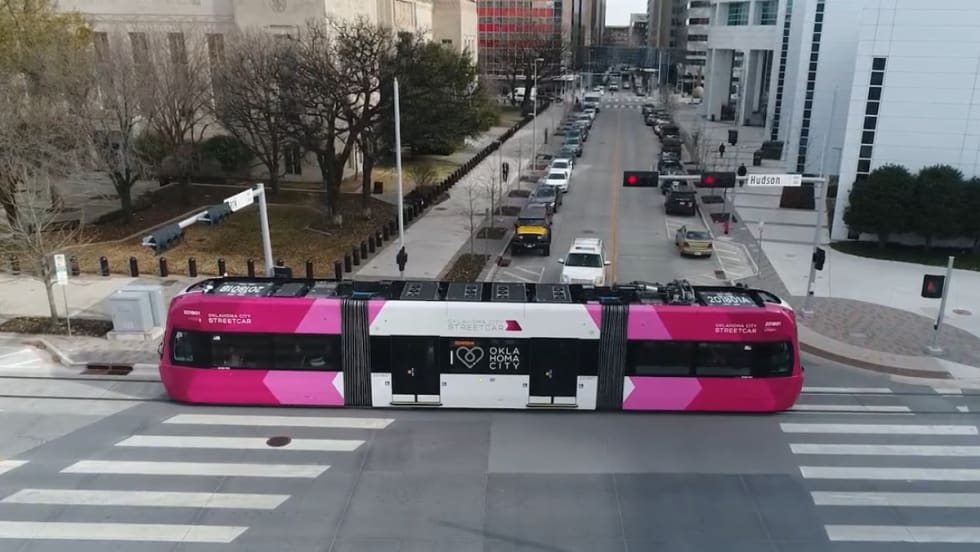
OKC Streetcar Makes Zero-Fare Service Permanent
Ridership increased an average of 71% compared with the same period a year earlier during the fare-free pilot.
Read More →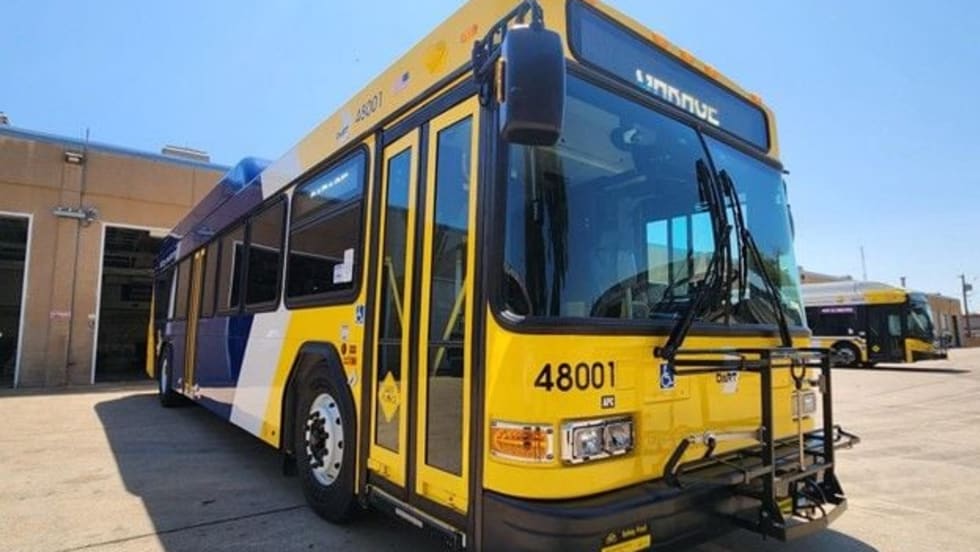
DART Customer Satisfaction Reaches Six-Year High
Overall satisfaction rose to 74.9%, while the agency’s Net Promoter Score reached a record 33.7.
Read More →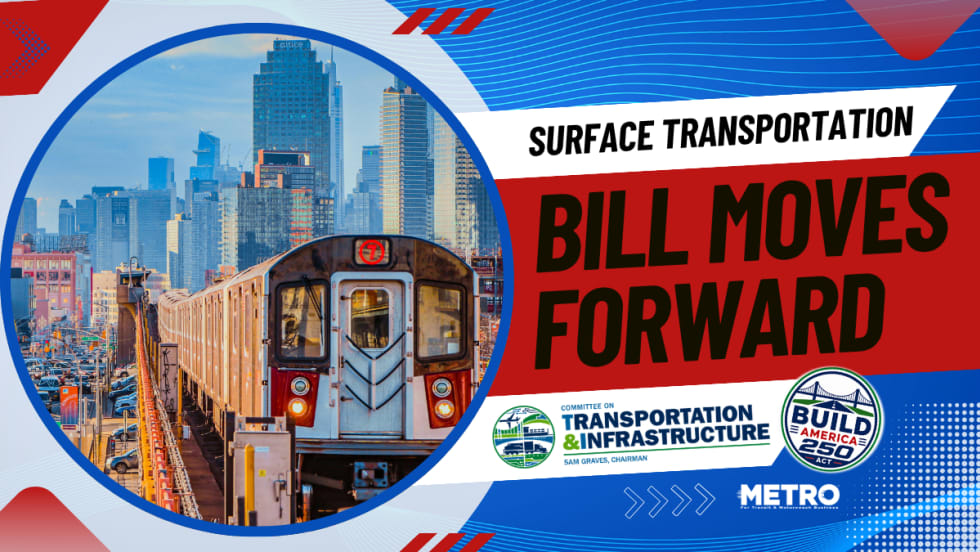
House Surface Transportation Bill Advances as Transit Funding Debate Intensifies
A bipartisan transportation package moving through Congress could redefine how the U.S. funds highways, transit, and motorcoach travel, while igniting new fights over electrification, regulation, and federal priorities.
Read More →
How Data, Strategy, and Community Engagement Are Reshaping Transit
In this edition of METROspectives, strada360 CEO Steve Lassey discusses how transit agencies can better align planning with operations, leverage data to improve decision-making, and build public trust as they prepare for the future of mobility.
Read More →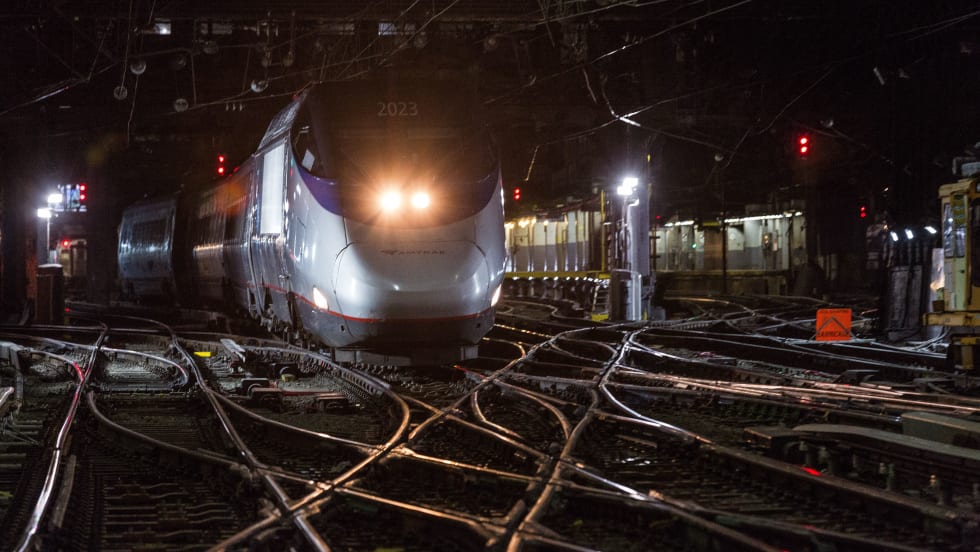
Amtrak Board Advances Plan to Restructure Organization, Seeks Public Input
The proposal, developed by Amtrak management and approved by the board for further consideration, is intended to modernize the organization's structure while improving accountability, operational efficiency, and customer service.
Read More →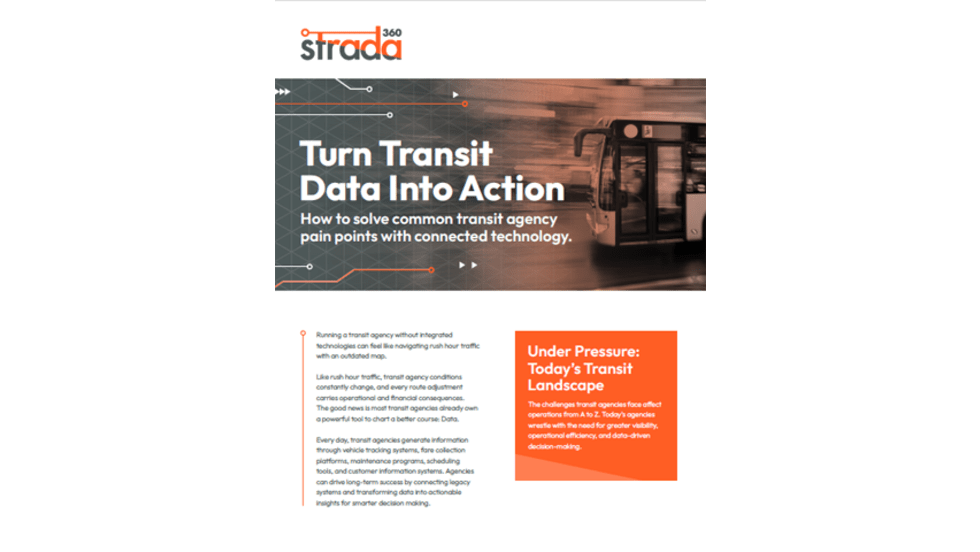
Turn Transit Data Into Action
Discover how leading agencies are using connected technology to gain real-time visibility across operations, improve service reliability, and reduce disruptions.
Read More →
What Transit-Oriented Development Means for the Future of Public Transportation
Once viewed primarily as transit operators, agencies are now leveraging land, partnerships, and long-term planning to boost ridership, expand housing, and strengthen communities.
Read More →
USDOT Announces $22 Million for Transit Innovation, Updates High-Speed Rail Rules
New federal transit funding will support safety, accessibility, and technology projects as updated rail regulations establish new noise standards for high-speed trains.
Read More →