



BART Begins Testing New Fare Gates
The system is upgrading its fare gates for the first time in 20 years. BART has committed to opening 70-plus new fare gates systemwide by the end of 2025.

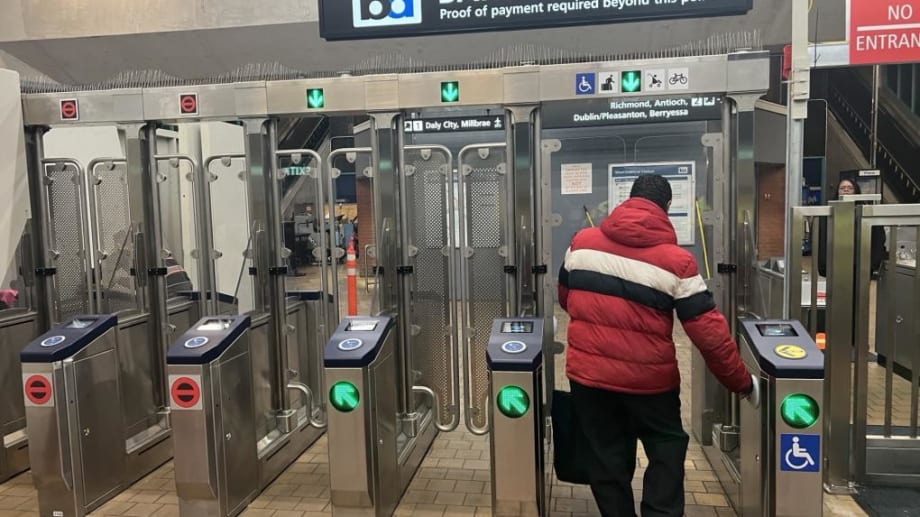
The prototypes now installed at BART's West Oakland station will test the new gates in an environment with riders. Initial field testing will primarily focus on door material options.
Photo: BART
As part of its “Safe and Clean Plan,” San Francisco’s Bay Area Rapid Transit (BART) unveiled prototypes of its new fare gates at the West Oakland Station.
The system is upgrading its fare gates for the first time in 20 years. BART has committed to opening 70-plus new fare gates systemwide by the end of 2025.
Finishing Touches Still to be Made
The gates installed at West Oakland Station are not the final version of the fare gates that will be installed throughout the rest of the system.
BART’s development team will be installing the latest door-braking technology in the coming weeks. This mechanical door lock will be exclusive to the agency. Once installed, these gates will be harder to push through than any other fare gate in the world, according to BART officials.
The prototypes now installed at West Oakland will test the new gates in a station environment with riders. Initial field testing will primarily focus on door material options.
BART will announce the next eight stations to get the new fare gates at its January board meeting.
“As a transportation system, we take tremendous pride in saying our riders are what runs BART," said BART GM Bob Powers. "Among the world’s transit agencies, BART relies the most on rider fares; they are directly responsible for funding our operations. These new, state-of-the-art fare gates will protect against fare evasion, expand access to transit-dependent riders, and reduce system downtime due to maintenance, which helps boost investment in BART’s long-term growth.”
New Fare Gates Part of Overall Solution
While BART is rolling out new fare gates to boost safety and reduce fare evasion, the agency is also working to increase access by more than doubling the discount for low-income individuals from 20% to 50% beginning in the new year.
BART’s Safe and Clean Plan focuses on attracting riders to return to the system by reimagining the passenger experience.
The agency is making dramatic improvements, from new payment systems to infrastructure renovations. It's all being done to guarantee customers a clean, safer ride.
Transit Addressing Fare Evasion
BART joins the trend of agencies working to ensure better fare adherence.
With fare evasion reaching crisis levels with a loss of $285 million in revenue due to subway fare evasion in 2022 alone, the New York MTA recently released an RFI to modernize its fare gate system after a Blue-Ribbon panel suggested modernized gates could help remedy the situation.
In November, the MTA replaced an entire fare array at the Sutphin Blvd-Archer Av-JFK Airport station with more secure and accessible wide-aisle fare gates following a pilot at Atlantic Av-Barclays Center subway station in March 2023 and Sutphin-Archer in April 2023.
The new fare gates at Sutphin Blvd-Archer Av-JFK Airport replaced both the turnstiles and the emergency exit gate at the south side of the station, which was a major contributor to subway fare evasion.
The wide-aisle design of the new fare gates allows customers with strollers, wheelchairs, and luggage to smoothly enter the system, and replaces the emergency exit gate which has been identified as a major source of fare evasion. The new array allows the MTA to examine the feasibility of placing new fare gates at other stations in the future.
Through this RFI process, the MTA will prequalify viable gates to establish an MTA Qualified Products List for its next generation of fare gates.
Meanwhile in the nation’s capital, after the Washington Metropolitan Area Transit Authority (WMATA) modernized its fare gates, a preliminary report found the higher faregates are reducing fare evasion by more than 70% at the first stations where they had been installed.
The new faregate design includes an L-shape door panel that extends over the faregate to minimize gaps between the openings. The increase in barrier height from the original 28- to 48-inch prototype to 55 inches also makes it more difficult to jump over faregates.
The swing doors are made of polycarbonate, which is 200 times stronger than glass, lighter weight, and more durable.
As stations are retrofitted with the new barriers, WMATA is also raising the height of the fencing and emergency gates.
More Security and Safety

Transit Agencies Highlight Safety Gains at National Summit
Leaders from 15 major transit systems shared crime-reduction results and safety initiatives while discussing the role of continued federal support.
Read More →
DART Launches Major Security, Fare Enforcement Initiative
The 90-day demonstration will deploy coordinated security teams at five light rail stations while testing controlled access and gathering data to guide future investments.
Read More →
RTD Launches NextRide App to Consolidate Trip Planning, Fares, Security Reporting
The app expands on RTD’s existing NextRide web application and allows customers to view real-time vehicle locations and service alerts, purchase and store digital fares, and access customer support.
Read More →

TAPTCO Updates OSHA Compliance Training for Transit Maintenance Operations
The revamped program addresses 26 OSHA standards for maintenance facilities, with TAPTCO pointing to training, documentation, and everyday shop hazards as continuing challenges for transit operations.
Read More →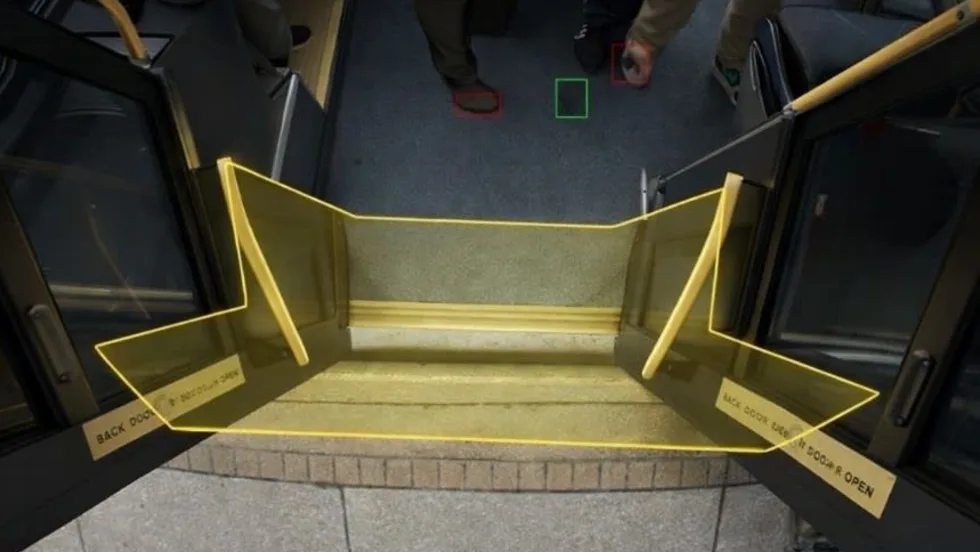
How VaporVision Adds Value to Transit Door Systems
Wabtec engineers explain how the system improves doorway detection, strengthens diagnostics and gives transit agencies and OEMs greater operating flexibility.
Read More →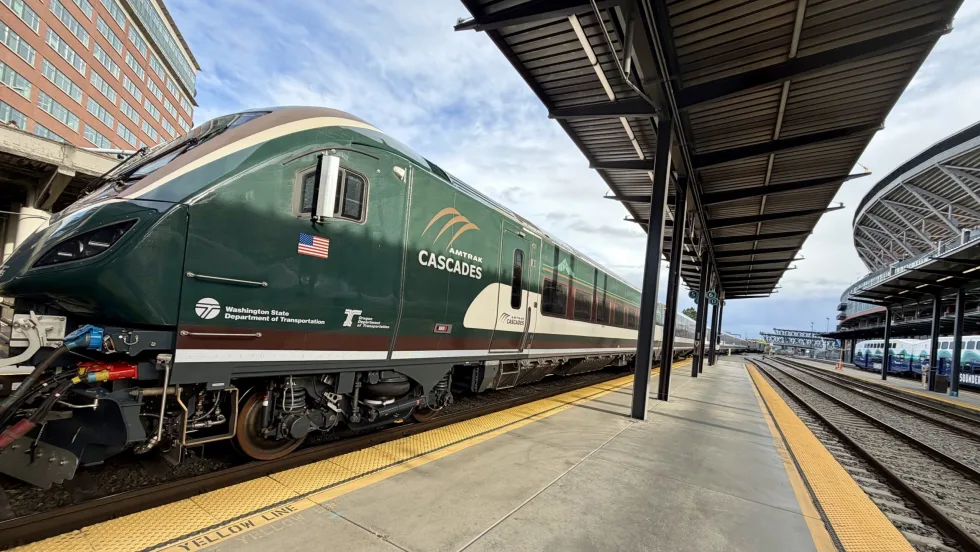
FRA Announces $5.3B in Rail Investments, Including $2B for Amtrak
Funding will support grade-crossing improvements, infrastructure upgrades, and new Amtrak equipment in 23 states.
Read More →
Chicago, Maryland Expand Non-Law-Enforcement Safety, Rider Support
The CTA and MTA are launching new programs aimed at de-escalation, crisis response, rider assistance, and greater transparency.
Read More →
LA Metro, City of West Hollywood, and Partners Advance Smarter Bus Lane Enforcement
The award-winning partnership combines AI-powered detection with human oversight to improve bus reliability, accessibility, and enforcement efficiency.
Read More →
LA Metro Reports 57% Decline in Homelessness on Transit System Since 2024
The agency's latest homelessness count offers new data on how care-based services and cross-sector partnerships can complement traditional transit security strategies.
Read More →
FTA Launches 'Transit Moves America' Dashboard to Highlight Agency Safety and Performance
The online dashboard transforms National Transit Database information into a public-facing resource that allows users to compare transit agencies on key operational and safety metrics.
Read More →