



BART Silicon Valley Berryessa Extension begins revenue service
The milestone marks the culmination of the first phase of the BART Silicon Valley Extension Program that is expanding BART service into Santa Clara County.
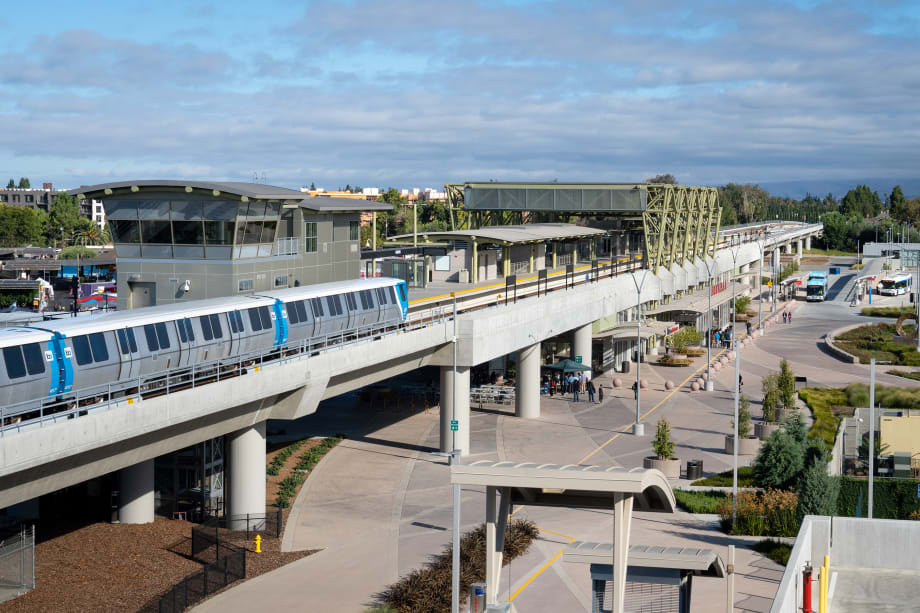
The $2.3 billion, 10-mile Berryessa Extension, which broke ground in April 2012, begins south of BART's Warm Springs Station in Fremont, proceeds through Milpitas, and ends in the Berryessa area of north San José.
VTA
The Santa Clara Valley Transportation Authority (VTA) and Bay Area Rapid Transit District (BART) is opening the Berryessa Extension for revenue service. The milestone marks the culmination of the first phase of the BART Silicon Valley Extension Program that is expanding BART service into Santa Clara County, bringing frequent and reliable regional rail service to more than 1.7 million residents.
The $2.3 billion, 10-mile Berryessa Extension, which broke ground in April 2012, begins south of BART's Warm Springs Station in Fremont, proceeds through Milpitas, and ends in the Berryessa area of north San José. VTA funded, designed, oversaw construction, and will own the infrastructure and BART will operate the extension. The design-build project was built under the Skanska, Shimmick and Herzog (SSH) joint venture. Lockwood, Andrews & Newnam Inc. (LAN), a national planning, engineering, and program management firm, served as the lead designer under the SSH joint venture contract.
“Bringing BART service to Santa Clara County leads us into an era for Silicon Valley where we are forging new pathways for mobility,” said VTA GM/CEO Nuria Fernandez. “With this new addition to our public transit network, we look forward to many years of improved connectivity throughout our region.”
Commuters traveling on I-880 and I-680, two congested corridors that connect residential areas in Alameda, Contra Costa, and San Joaquin Counties to high-technology and other employment centers in Silicon Valley, can now use the Berryessa Extension as an alternative. By taking cars of these congested corridors, the project will help eliminate 3,500 tons of greenhouse gases every year.
Transit-oriented development opportunities have flourished around the stations. To date, near the Milpitas Station, almost 7,000 housing units, more than 10,000 square feet of office space, and over 186,000 square feet of retail space have been occupied, entitled or under construction. Similarly, adjacent to the Berryessa Station, more than 3,300 residential units have been developed to date, with plans to increase the capacity to 5,100. Plans are also underway for a high-rise hotel with up to 175 rooms.
With the opening of the two new stations, BART will have a total of 50 stations and 131 miles of track serving five Bay Area counties. The project also provides numerous intermodal options, including connections to VTA light rail and buses, Caltrain, Altamont Commuter Express, Capitol Corridor and Amtrak, Mineta San Jose International Airport, and high-speed rail.
The project improves access to employment, educational, medical, entertainment, and retail centers near the two stations. These include the Great Mall of the Bay Area, connections to employment centers such as Google, eBay and Cisco Systems, Levi’s Stadium, Berryessa Flea Market in San Jose, San Jose State University, Stanford University, and Santa Clara University.
The second phase of the BART Silicon Valley Extension, which is currently in the design stage, will extend BART service six miles from the Berryessa Transit Center into downtown San José and terminating in Santa Clara. Four stations are planned for the second phase: 28th Street/Little Portugal, Downtown San Jose, Diridon, and Santa Clara. The second phase is expected to be completed in 2030.
More Rail
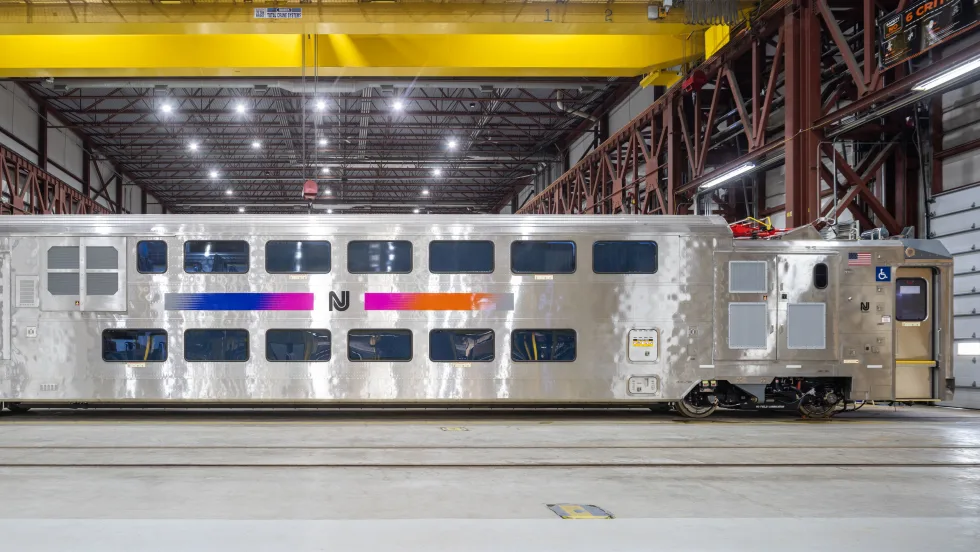
NJ TRANSIT Approves $65.6M for Hudson-Bergen Light Rail Improvements
The funding marks the first phase of a planned $250 million investment over five years to modernize stations, overhaul vehicles, and improve system reliability and passenger safety.
Read More →
STraffic Expands North American Presence with Fare Collection Technology
John Moon, Associate Director, Product Strategy at STraffic, discusses the company's growth in North America, its efforts to reduce fare evasion, and more.
Read More →
Study: Denver RTD Generates $2.1 Billion in Annual Economic Activity
An economic impact study finds the agency supports approximately 17,500 jobs, delivers $1.6 billion in annual community and mobility benefits, and generates $2.42 in economic value for every dollar invested.
Read More →
Mark Aesch Nominated to Lead Federal Transit Administration
The former Rochester transit chief and TransPro founder, who has also contributed to METRO Magazine, brings decades of industry experience and a focus on performance, accountability, and financial sustainability to the nomination.
Read More →
Transit Expands Agency Partnerships, Reaching 200 Official App Partners
COO Jake Sion discusses Transit’s growth, the success of its Transit Royale program, and how technology is helping agencies improve the rider experience.
Read More →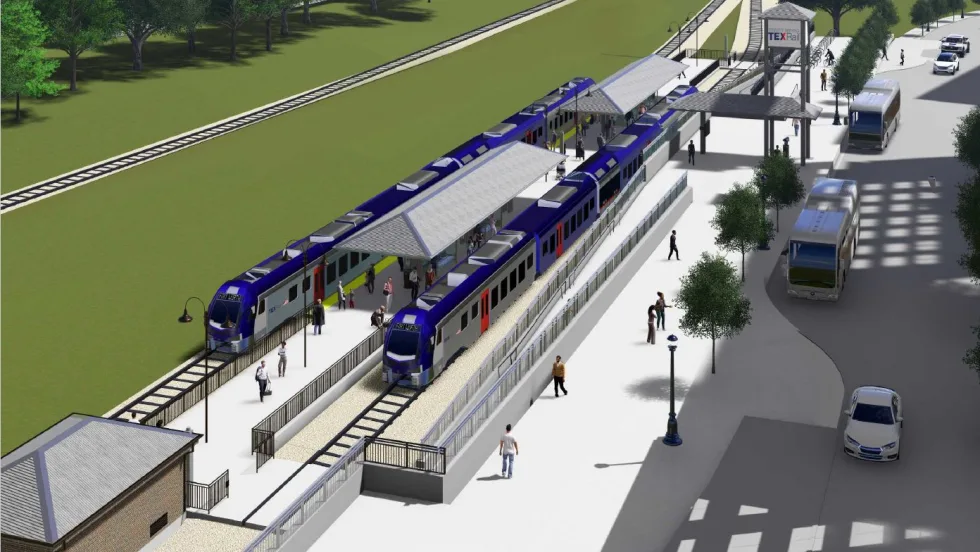
Trinity Metro Breaks Ground on $270M TEXRail Extension
The 2.1-mile extension will connect Fort Worth’s Medical District and Near Southside to downtown, surrounding communities, and Dallas-Fort Worth International Airport.
Read More →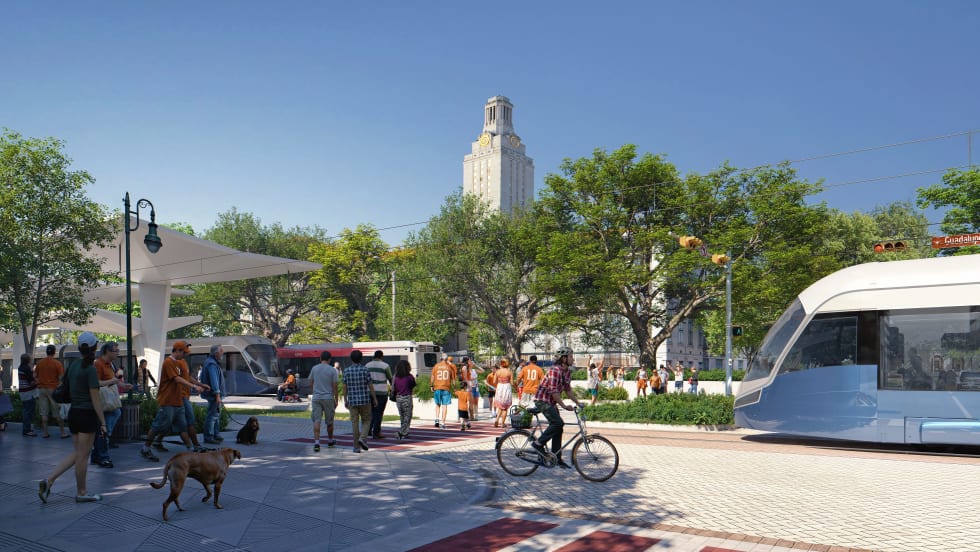
Bringing Austin’s First Light Rail System to Life
Austin Transit Partnership CEO Greg Canally discusses the city's nearly 10-mile light rail project, its collaborative approach to project delivery, the importance of community engagement, and the milestones ahead as construction approaches in 2027.
Read More →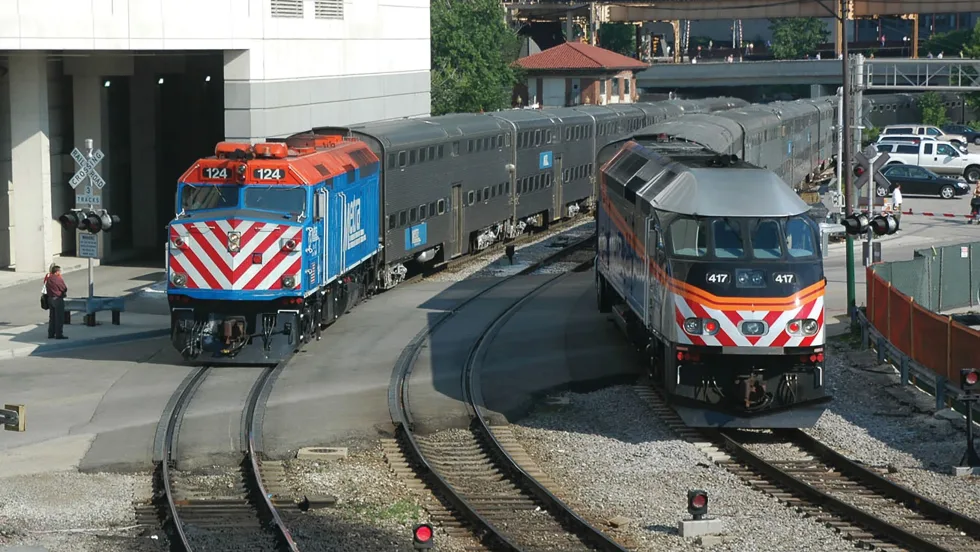
Metra Draft Plan Outlines Costs, Service Improvements for Regional Rail
The Systemwide Network Plan identifies infrastructure needs and potential investments to expand all-day, bidirectional rail service across the Chicago region.
Read More →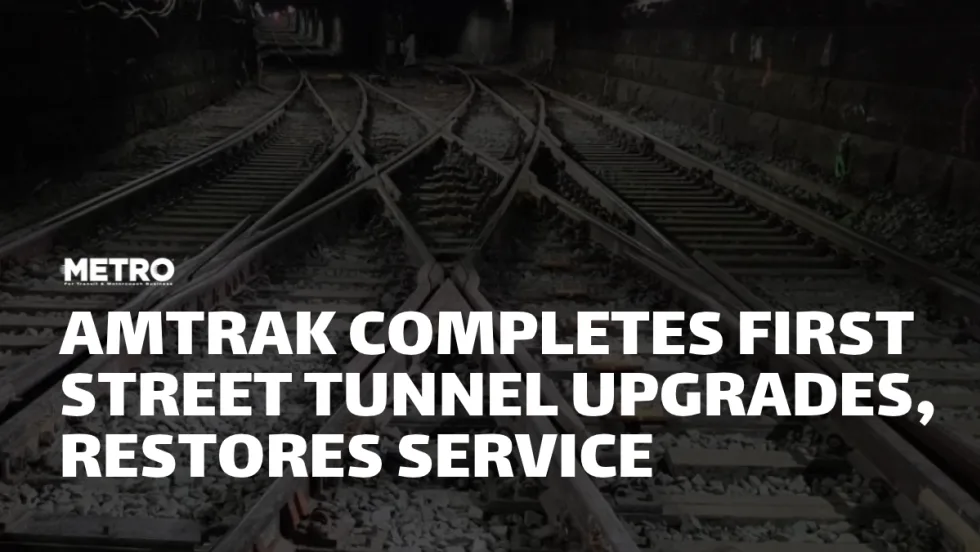
Amtrak Completes First Street Tunnel Upgrades, Restores Service
The nine-day construction project included replacing aging track infrastructure and modernizing switch systems near Washington Union Station.
Read More →
FRA Announces $2.3B for Passenger, Freight Rail Projects Nationwide
The CRISI Grant Program funding will support rail infrastructure improvements, safety upgrades, and projects aimed at improving freight and passenger rail service across 45 states and Washington, D.C.
Read More →