




Miss This? USDOT Invests $1.1B to Enhance Safety Infrastructure at Railroad Crossings
USDOT Awards $416 Million for Florida Rail Crossing Safety Upgrades, New Brightline Station
The projects aim to reduce risks for motorists and pedestrians at rail crossings while expanding passenger rail access along Florida’s Space Coast.
October 8, 2026
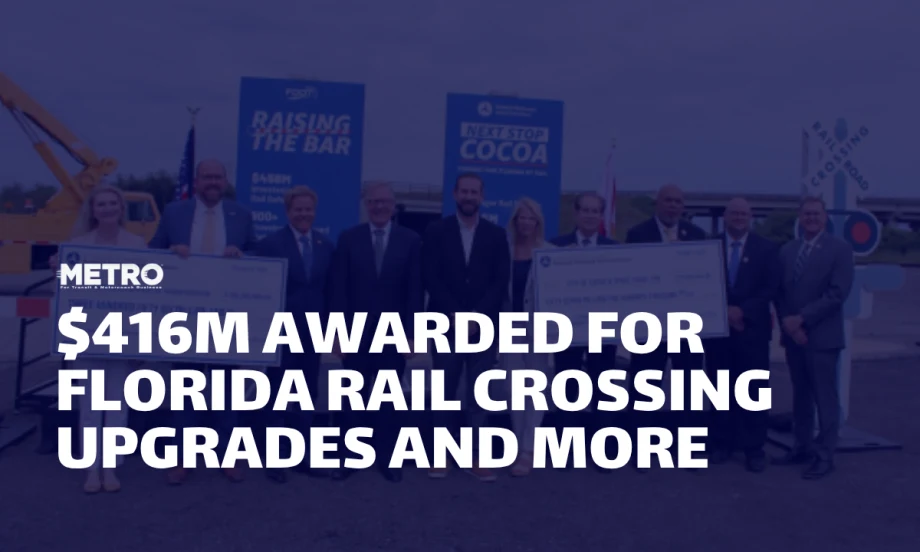
FRA Administrator David Fink joined FDOT Secretary Jared W. Perdue, P.E., U.S. Congressman Mike Haridopolos, railroad industry leaders, and local and state officials in Brevard County on October 6 to share details on the safety upgrades and plans for the new Brightline Cocoa station.
Credit:
U.S. Department of Transportation/METRO
2 min to read
- The USDOT has allocated $416 million for safety upgrades at rail crossings in Florida.
- The projects focus on minimizing risks for both motorists and pedestrians in the area.
- The funding also includes the development of a new Brightline station along Florida's Space Coast.
*Summarized by AI
The U.S. Department of Transportation’s Federal Railroad Administration (FRA) recently joined the Florida Department of Transportation to celebrate $416 million in federal funding for essential rail safety upgrades across the Sunshine State and to build a new multimodal station in Cocoa. The state of Florida is adding another $100 million to support the projects.
The federal package will provide:
- $356 million for Florida DOT to deploy safety upgrades, including new high-tech signage, lighting, and physical barriers, at 910 highway-rail grade crossing locations to improve safety.
- $57 million for the City of Cocoa to build a new Brightline in-line rail station, multi-use access road, and new segment of double-track.
“Here on the Space Coast, we continue to build for the future,” said U.S. Congressman Mike Haridopolos. “This new station will make it easier for people to travel to and from the Space Coast while supporting our growing community. It is expected to have up to a $350 million annual economic impact and support 3,500 jobs, bringing even more opportunity to our region.”
Rail Safety Improvements Planned at More Than 900 Crossings
The $356 million in federal support from the FRA is a core element of Transportation Secretary Sean P. Duffy’s “Golden Age of Rail” package announced in August.
“By investing these dollars where they matter most, President Trump and Secretary Duffy are ushering in a Golden Age of Rail that will make Florida’s rail corridors safe, modern, and more efficient,” FRA Administrator David Fink said.
Of the railroad crossing enhancements to be installed at more than 900 locations across Florida, nearly a quarter will be in Central Florida, including Brevard, Orange, Osceola, Seminole, and Volusia counties.
The types of safety features to be added include:
- Upgrades of pedestrian-activated warning systems at pedestrian rail crossings, including lights, gates, and audible warnings for pedestrians.
- Refinement and enhancement of pavement markings to ensure only rail-related markings are used (including Dynamic Envelopes). Raised reflective markers and solid lane lines will provide motorists, pedestrians, and bicyclists with clear, consistent visual cues.
- Installation of overhead-mounted signals to enhance motorists’ awareness of rail crossings.
- Enhanced lighting to heighten the visibility of rail crossings for pedestrians and motorists.
- Installation of LED-enhanced “DO NOT STOP ON TRACKS” signage at high-speed rail crossings to reinforce safe driving behaviors for motorists.
- Addition of “ANOTHER TRAIN COMING” warning signs at locations with at least two tracks to help prevent potential conflicts with pedestrians and vehicles with an unexpected additional train.
- Installation of physical barriers, such as double gates, to further deter vehicles from going around rail crossing gates.
More Rail
VIA, MBTA Reach Pre-Pandemic Ridership Milestones as Transit Use Climbs
VIA surpasses three million monthly trips for the first time since 2020, while the MBTA tops one million average weekday trips as both agencies report continued ridership growth.
People Movement: Metrolink's Kettle Announces Retirement, Feakins to CEO at UZURV, and More
In this edition, we also cover recent appointments and announcements at King County Metro, SilverRide, and more, showcasing the individuals helping to shape the future of transportation.
How Gen Z's Changing Mobility Habits Are Reshaping Public Transit
As younger generations embrace multimodal mobility over private vehicles, transit agencies can rethink station design, the passenger experience, and public transportation's role in building connected communities.
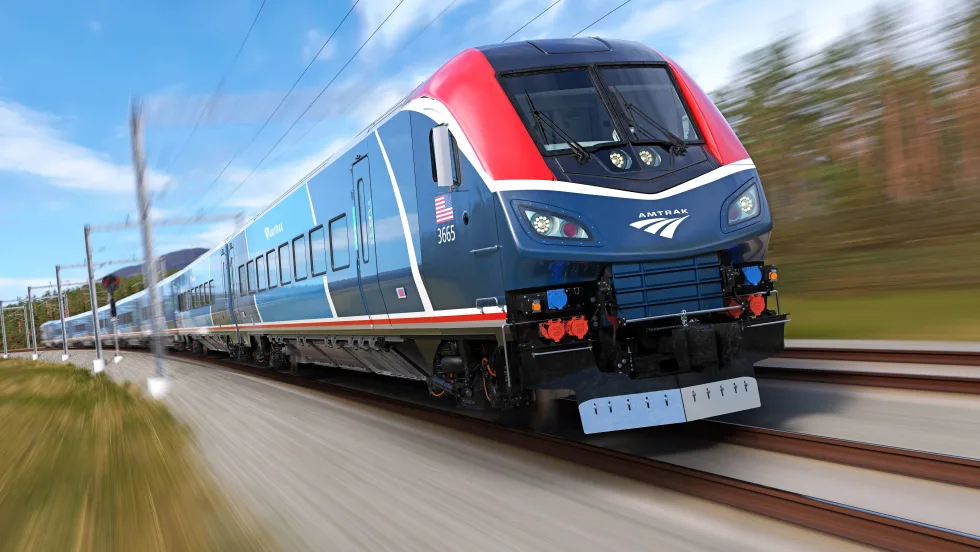
Amtrak Expands Airo Fleet with Eight Higher-Capacity Trainsets
The new 10-car trains, expected to enter service in 2031, will provide about 34% more seating capacity to meet growing demand on the Northeast Corridor.
APTA Urges FTA to Withdraw Proposed Capital Investment Grants Guidance
The association warns that proposed changes could delay transit projects, reduce federal funding, and create new hurdles for 47 projects currently in the CIG pipeline.
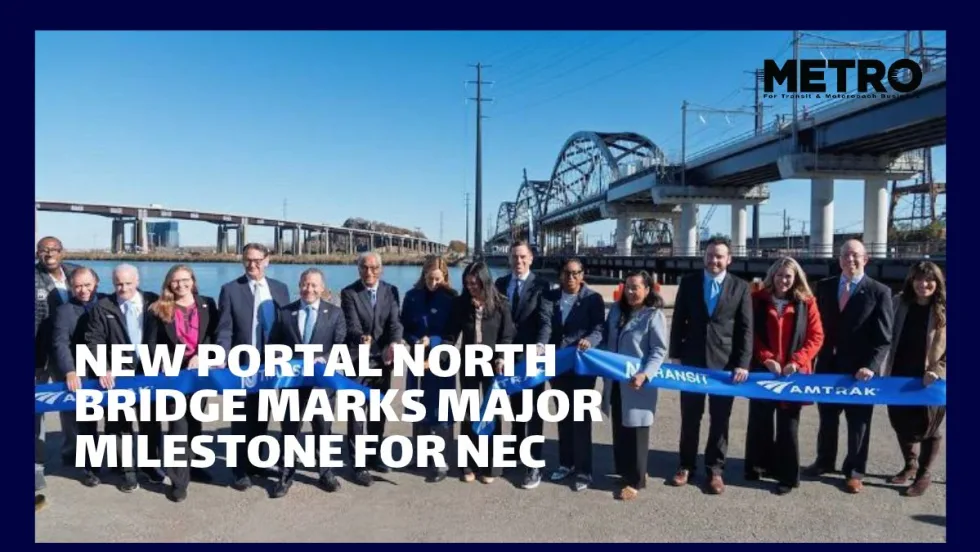
Amtrak, NJ TRANSIT Launch Full Service on New Portal North Bridge
The completion of the two-track bridge over the Hackensack River eliminates a longstanding source of delays for NJ TRANSIT and Amtrak customers. It marks a major milestone for the Gateway Program.
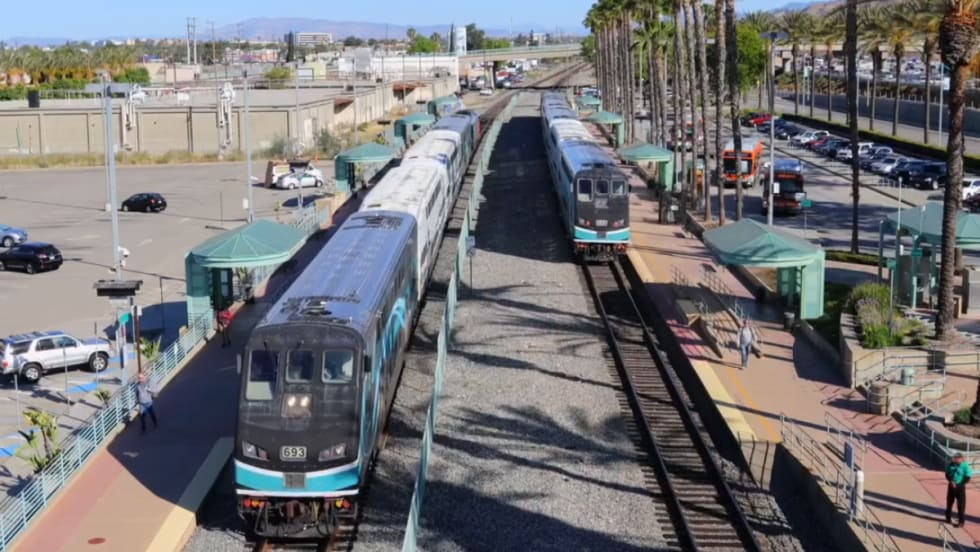
Southern California’s Metrolink Approves $508.8M Budget, Avoids Service Cuts
A $20 million state allocation allows the regional rail agency to maintain existing weekday and weekend service through fiscal year 2028, although longer-term funding challenges remain.
NJ TRANSIT Approves $65.6M for Hudson-Bergen Light Rail Improvements
The funding marks the first phase of a planned $250 million investment over five years to modernize stations, overhaul vehicles, and improve system reliability and passenger safety.

STraffic Expands North American Presence with Fare Collection Technology
John Moon, Associate Director, Product Strategy at STraffic, discusses the company's growth in North America, its efforts to reduce fare evasion, and more.

Study: Denver RTD Generates $2.1 Billion in Annual Economic Activity
An economic impact study finds the agency supports approximately 17,500 jobs, delivers $1.6 billion in annual community and mobility benefits, and generates $2.42 in economic value for every dollar invested.