



BART unveils safety action plan after recent deaths
Includes boosting visible presence of police and employees in the system, enhancing surveillance cameras, and increasing public safety outreach.

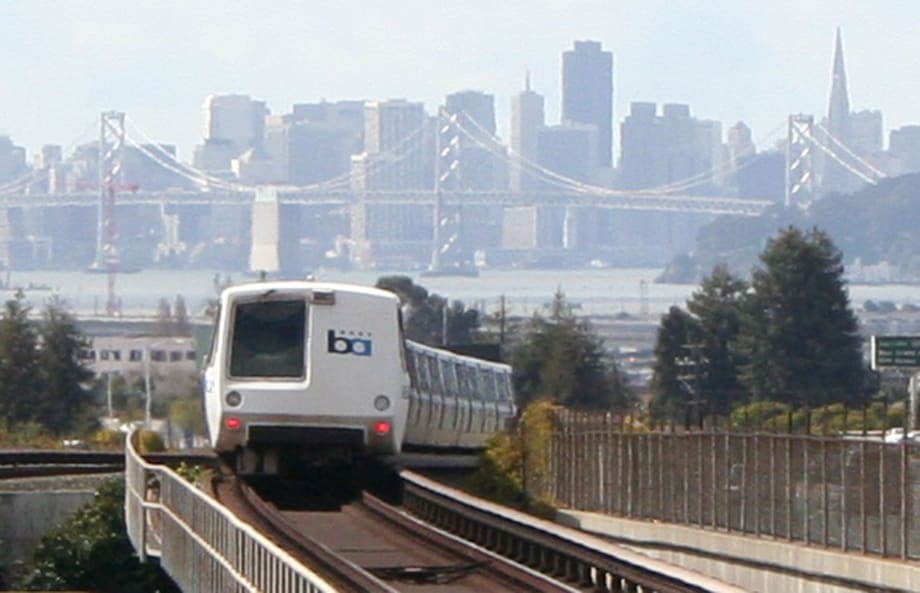
BART's newly proposed safety and security plan includes boosting the visible presence of police and employees in the system, enhancing surveillance cameras, and increasing public safety outreach. Photo: BART
BART's newly proposed safety and security plan includes boosting the visible presence of police and employees in the system, enhancing surveillance cameras, and increasing public safety outreach. Photo: BART
Bay Area Rapid Transit (BART) GM Grace Crunican is seeking authority from the board of directors to move forward implementing a comprehensive Safety and Security Action Plan.
The plan comes in response to a spate of attacks on subway riders, which resulted in three deaths in five days. The most recent being the stabbing death of 18-year-old Nia Wilson in an unprovoked attack at a rail station on July 22, 2018, according to a CNN report.
The series of proposals will boost the visible presence of police and employees in the system, enhance BART’s already robust network of surveillance cameras, increase public safety outreach, and more, according to the agency.
The Action Plan will go before the BART Board of Directors at a Board meeting later this week.
“BART has always been focused on public safety but it’s clear that we must do even more,” said BART's Crunican. “The tragic murder of Nia Wilson has deeply saddened everyone at BART as well as the communities we serve. Our riders are demanding that we do more to maintain public safety and this plan offers multiple new initiatives we can immediately begin to roll out.”
Plan initiatives include:
BART staff over the last two weeks has been conducting a top-to-bottom review of system security. That review process has resulted in a series of proposals that will be considered by the board of directors at this week's board meeting.
Emergency BPD Staffing. The first part of the action plan has already been put into place. Starting August 6, the BART Police Department is temporarily cancelling off days for all its officers. That means patrol officers, community service officers, and dispatchers are now working six 10-hour days a week. Patrol officers who work on their normal days off are required to ride trains throughout their shifts. Though this is a temporary measure, it immediately boosts the visible presence of law enforcement throughout the system.
Deploy BART Employee Station Teams and enhance employee security training. Teams of BART employees would be trained in advance to staff trains and stations while wearing high-visibility vests to provide an additional layer of visibility to BART’s safety efforts. Teams would be deployed temporarily at times of greatest need.
Accelerate station hardening efforts to make it harder to bypass the faregates. These efforts include raising barriers to five feet and adding additional fencing to include elevators in paid areas. This part of the safety plan is scheduled to go before the BART Board in September.
Addition of a second proof of payment team for evenings. An additional eight fare inspectors would be assigned to nighttime enforcement of the proof of payment policy. The team also serves the purpose of increasing the non-sworn police presence in stations, on platforms, and in trains.
Platform emergency call boxes. Three emergency call boxes would be installed on each platform. Each call box would have a direct intercom with BPD dispatch and a camera would activate whenever the intercom button is pushed. Stations currently have white courtesy phones to connect to the station agent booth, this would offer more options and a quicker connection to dispatch. High priority stations will get the call boxes as early as Fall while systemwide implementation could take two years with an estimated cost of $5.2 million.
Systemwide testing and implementation of the Physical Security Information Management system. The system was originally designed to monitor physical alarms and fixed sensors, but it can be enhanced to include cutting edge video analytics. A fully upgraded system would be capable of monitoring thousands of simultaneous video streams and automating response recommendation to BPD dispatch. The system automatically detects when normal patterns are disrupted, and it then sends an alert to dispatch to monitor the area. Systemwide implementation could take 12 months. Estimated cost is $4 million for implementation and $1.3 million in ongoing costs.
Migration to an all-digital camera network in stations, parking lots, and garages. Since some of our cameras are analog, this effort would convert those units to HD digital cameras. It would cost approximately $15 million and take roughly four and a half years to fully complete.
Install video screens showing real time station images and enhanced video surveillance signage. The idea would be tested at San Francisco’s Civic Center Station where video screens would be strategically placed at station entrances to remind riders the area is under surveillance. Additionally, signs that inform people in and around the station that they are under video surveillance would be installed.
No panhandling ordinance within paid areas of BART subject to Board adoption.
Launch “Ride Safe” public outreach campaign. This effort is already underway and includes distributing safety tips at every station and on social media and posters on trains. BART will also ramp up its promotion of the BART Watch app to make it easier for riders to report crimes. More than 52,000 people have already downloaded the app.
In addition to these proposals, the BART Police Department has contracted with the University of North Texas for the development of a five-year strategic patrol staffing plan. The research team is developing recommendations for appropriate police staffing levels for the BART system. The final version of this report is expected to be submitted to BPD this fall.
BART is also reviewing a program modeled after SFMTA’s Muni Transit Assistance Program (MTAP), which started as an anti-crime pilot project in 1995. The program works with nonprofits and community-based organizations to recruit field staff whose backgrounds and experiences are like those of the people they might encounter. MTAP has had success in preventing violent crimes by placing field staff who are trained in conflict resolution in the Muni system.
Some proposal can be done within the GM’s authority, others require Board action for procurement or adoption. The initial cost estimate is $28 million.
More Security and Safety

Transit Agencies Highlight Safety Gains at National Summit
Leaders from 15 major transit systems shared crime-reduction results and safety initiatives while discussing the role of continued federal support.
Read More →
DART Launches Major Security, Fare Enforcement Initiative
The 90-day demonstration will deploy coordinated security teams at five light rail stations while testing controlled access and gathering data to guide future investments.
Read More →
RTD Launches NextRide App to Consolidate Trip Planning, Fares, Security Reporting
The app expands on RTD’s existing NextRide web application and allows customers to view real-time vehicle locations and service alerts, purchase and store digital fares, and access customer support.
Read More →

TAPTCO Updates OSHA Compliance Training for Transit Maintenance Operations
The revamped program addresses 26 OSHA standards for maintenance facilities, with TAPTCO pointing to training, documentation, and everyday shop hazards as continuing challenges for transit operations.
Read More →
How VaporVision Adds Value to Transit Door Systems
Wabtec engineers explain how the system improves doorway detection, strengthens diagnostics and gives transit agencies and OEMs greater operating flexibility.
Read More →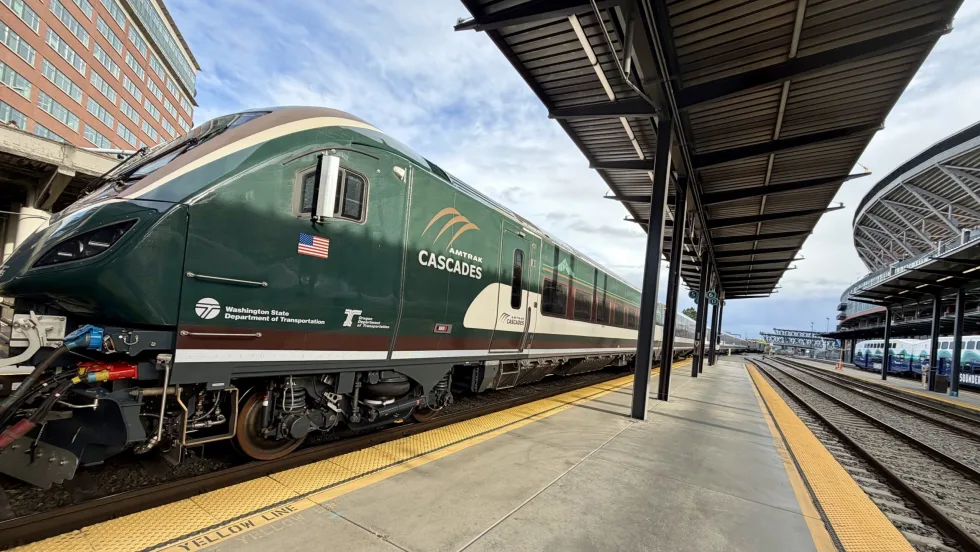
FRA Announces $5.3B in Rail Investments, Including $2B for Amtrak
Funding will support grade-crossing improvements, infrastructure upgrades, and new Amtrak equipment in 23 states.
Read More →
Chicago, Maryland Expand Non-Law-Enforcement Safety, Rider Support
The CTA and MTA are launching new programs aimed at de-escalation, crisis response, rider assistance, and greater transparency.
Read More →
LA Metro, City of West Hollywood, and Partners Advance Smarter Bus Lane Enforcement
The award-winning partnership combines AI-powered detection with human oversight to improve bus reliability, accessibility, and enforcement efficiency.
Read More →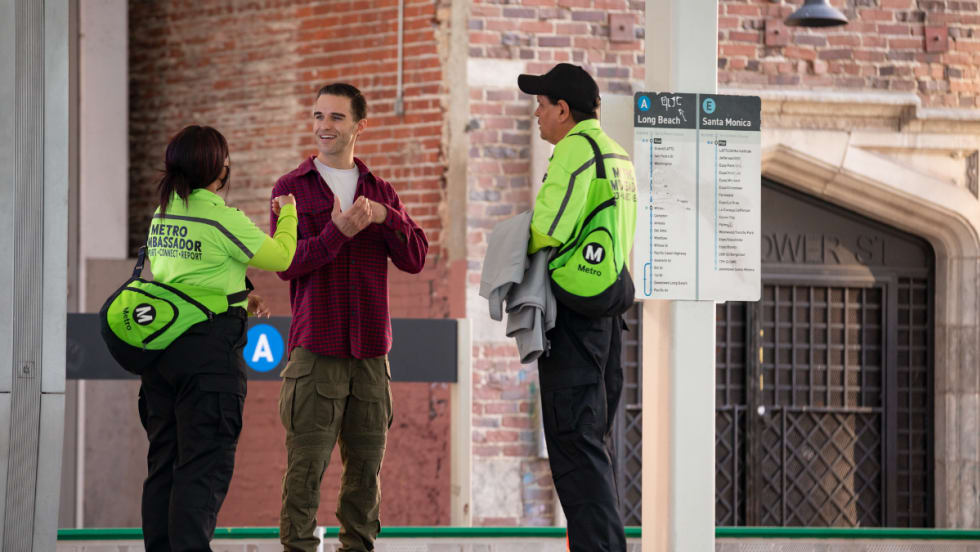
LA Metro Reports 57% Decline in Homelessness on Transit System Since 2024
The agency's latest homelessness count offers new data on how care-based services and cross-sector partnerships can complement traditional transit security strategies.
Read More →
FTA Launches 'Transit Moves America' Dashboard to Highlight Agency Safety and Performance
The online dashboard transforms National Transit Database information into a public-facing resource that allows users to compare transit agencies on key operational and safety metrics.
Read More →