



BC Transit unveils Ballard-powered hydrogen buses
Fuel cell buses are zero-emission vehicles, with no greenhouse gases, particulates, or harmful emissions released during operation. Water is the only byproduct. BC Transit's fleet of fuel cell buses is expected to reduce greenhouse gas emissions by around 1,800 tons per year in British Columbia.

British Columbia, Canada-based BC Transit introduced the first bus in its fleet of 20 hydrogen fuel cell buses powered by Ballard Power Systems' heavy-duty fuel cell module, the FCvelocity-HD6 on Friday.
BC Transit's fleet will become the largest single deployment of zero-emission fuel cell buses worldwide.
"All of us at Ballard are proud of to be partners in helping BC lead the way in adopting new technologies that support sustainable practices and reduce greenhouse gas emissions," said John Sheridan, Ballard's president/CEO. "The BC Transit fuel cell bus fleet is an important proof point for the level of robustness and durability offered by Ballard clean energy products - not only in buses but also in material handling and stationary power."
Fuel cell buses are zero-emission vehicles, with no greenhouse gases, particulates, or harmful emissions released during operation. Water is the only byproduct. BC Transit's fleet of fuel cell buses is expected to reduce greenhouse gas emissions by around 1,800 tons per year in British Columbia.
Ballard's FCvelocity(TM)-HD6 is ideal for integration into bus applications, according to a company statement. It is designed to be a plug-and-play solution for any fuel cell or hybrid fuel cell bus platform and to be robust and durable in harsh motive conditions. The BC Transit fleet is the first that incorporates Ballard's heavy-duty fuel cell module into a hybrid fuel cell/battery architecture with an electric drive, which enables higher vehicle efficiency and improved fuel cell durability.
BC Transit's fleet of fuel cell buses will operate in revenue service in the Resort Municipality of Whistler, British Columbia during the 2010 Olympic and Paralympic Winter Games and beyond.
More Bus
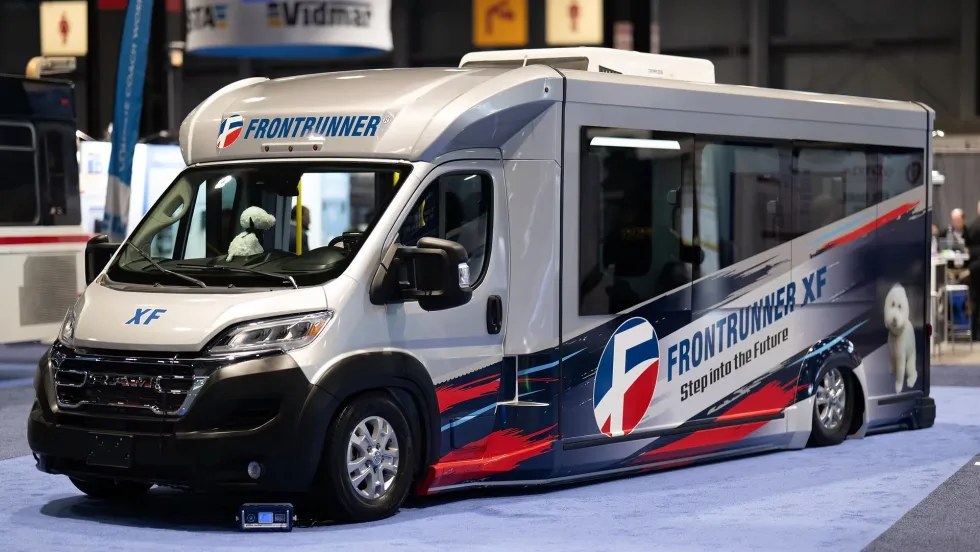
Frontrunner Bus Group Introduces XF Low-Floor Bus with Enhanced Accessibility
The new mid-sized bus features a full flat-floor design, eight-inch curbside step-in height, and zero-entry rear ramp to improve passenger access and operational flexibility.
Read More →
Scenes from APTA TRANSform & EXPO 2026
Transit leaders, manufacturers, and industry professionals gathered in Chicago to explore new technologies, share ideas, and discuss the future of public transportation.
Read More →
More Than a Summer Job: Building the Next Generation of Transit Talent
The Delaware River Port Authority and PATCO have transformed their internship program into a hands-on professional development experience that introduces students to the breadth of transportation careers — and creates a pipeline for future employees.
Read More →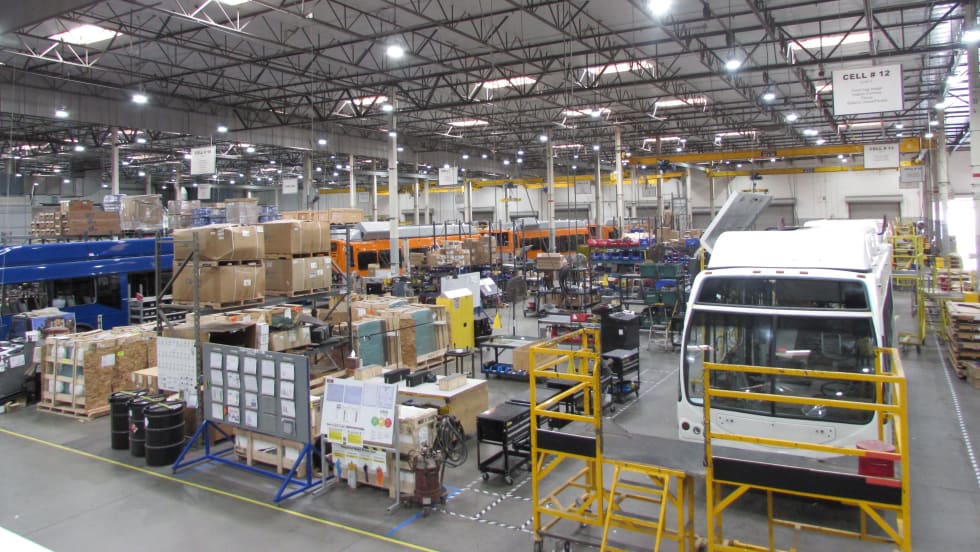
LA Metro Board Awards 220 Battery-Electric Bus Contract to ENC
The contract, which is the largest base award of battery-electric buses by a U.S. transit agency, will be built in Southern California, sustaining good jobs as LA prepares to welcome the world in 2028
Read More →
Public Transit Conference Returning to GFX in 2027, Call for Papers Now Open
The Call for Papers is now open, allowing transit agency professionals and industry experts to help shape the PTC educational program by submitting session ideas for consideration.
Read More →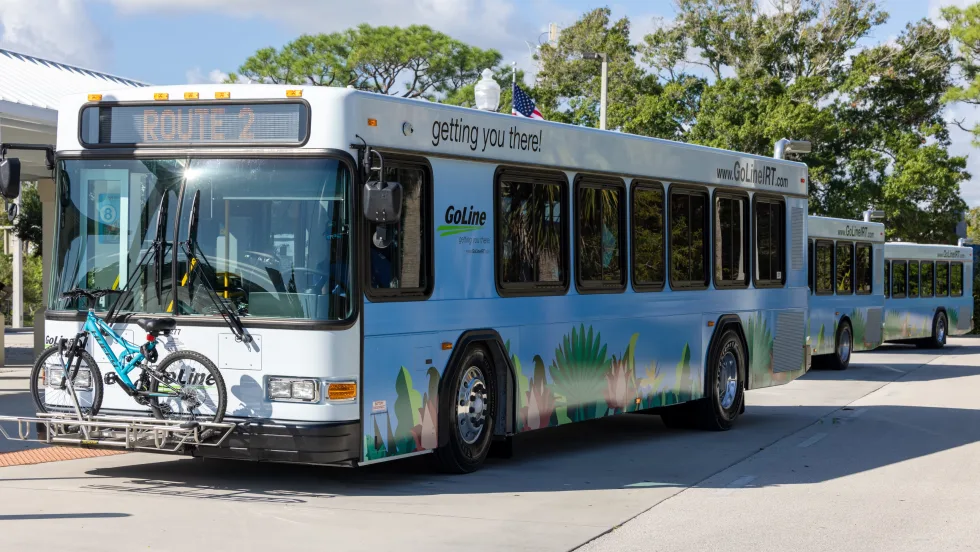
Indian River Transit’s Community-Focused Approach Earns National Recognition
Named APTA’s 2026 Outstanding Public Transportation System in its size category, Florida’s Indian River County transit system continues to grow ridership through fare-free service and a focus on evolving community needs.
Read More →
ENC Lands MATA Contract and More in Biz Briefs
In this edition of Biz Briefs, we spotlight the latest developments shaping the future of mobility.
Read More →
From Surviving to Thriving: Building Stronger Transportation Organizations
Bus Business Consultants founder Brian Dickson shares lessons on leadership, organizational health, and creating options for long-term success in a changing transportation industry.
Read More →
Everett Transit, Community Transit Outline Consolidation Agreement
The proposed agreement calls for a 50% increase in bus service in Everett, a new microtransit zone, continued paratransit service, and the transfer of Everett Transit operations to Community Transit.
Read More →
SEPTA Details Accelerate Vision for Transit System
The plan outlines investments in trolley modernization, new Metro and Regional Rail vehicles, accessible stations, and more frequent bus and rail service.
Read More →