



Boston's MBTA Approves Plan to Introduce Battery-Electric Trains on Commuter Rail Line
Keolis Commuter Services, the operating partner for the MBTA Commuter Rail, submitted an innovation proposal to the MBTA in December 2023 with a plan to introduce battery-electric multiple unit trains BEMUs onto the Fairmount Commuter Rail Line.

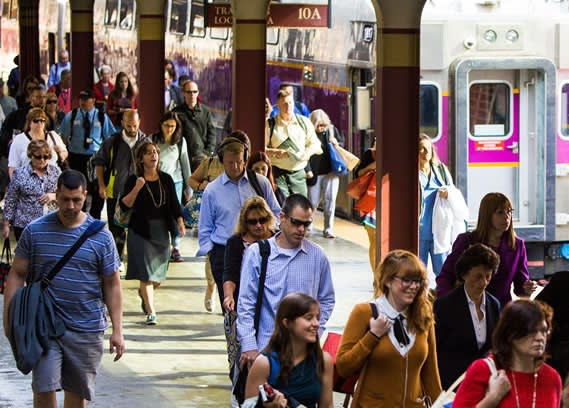
With approval from the MBTA board, the MBTA and Keolis can now finalize the details of the contract, including a timeline for service to begin.
Photo: MBTA
The Massachusetts Bay Transportation Authority (MBTA) board approved a $54 million plan to bring battery-electric train service to the Fairmount Commuter Rail Line, which will ultimately result in more frequent service and lower emissions in surrounding communities.
Keolis Commuter Services, the operating partner for the MBTA Commuter Rail, submitted an innovation proposal to the MBTA in December 2023 with a plan to introduce battery-electric multiple unit trains (BEMUs) onto the Fairmount Commuter Rail Line.
The Importance of New Trains
The trains will provide faster, quieter, and more reliable service with notably less air pollution in the environmental justice corridor served by the Fairmount Line.
With approval from the MBTA board, the MBTA and Keolis can now finalize the details of the contract, including a timeline for service to begin.
It is anticipated trains would run every 20 minutes on weekdays. Subject to the procurement process, the first train is expected to enter service on the Fairmount Line in early 2028.
“There have been discussions about electrifying our rail network for many years. This agreement is a gamechanger that will benefit generations of passengers, beginning first on the Fairmount Line,” said MBTA GM/CEO Phillip Eng. “By embracing new technologies, we will be able to electrify the Fairmount Line sooner within our existing available funding. Understanding the billions of dollars needed to fully electrify our entire system, this is the first step that I believe will pave the way to a profound transformation that can bring the future of our rail network that much closer.”
How BEMUs Work
BEMU trains use hybrid power with an onboard battery that charges when overhead catenary wires are available, such as at South Station. The trains can then run on battery power.
Because they are electric, these trains emit less air pollution and reduce energy consumption. BEMU trains also provide passengers with smoother rides, more space, and a modernized commuting experience.
Additionally, BEMUs operate a quieter service, significantly reducing noise and vibration for passengers and residents adjacent to the route, yards, and maintenance facility.
The agreement follows a due diligence posting in March 2024 after the MBTA received Keolis’s proposal.
With this agreement in place, Keolis will act as a Project Delivery Partner (PDP) to manage the new decarbonized fleet, additional power and charging infrastructure, and a new light maintenance facility.
The PDP approach is split into two phases, beginning first with the preparation phase to design and develop procurement documents and following with the delivery phase to project manage and integrate the BEMU fleet.
The Fairmount Commuter Rail Line is the shortest of the Commuter Rail Lines with nine stations (including South Station and Readville). As of April 2024, the line carries approximately 3,200 passengers per day.
Battery-electric service will save 1.6 million gallons of fuel and mitigate 17,700 tons of carbon dioxide per year compared to diesel.
More Rail
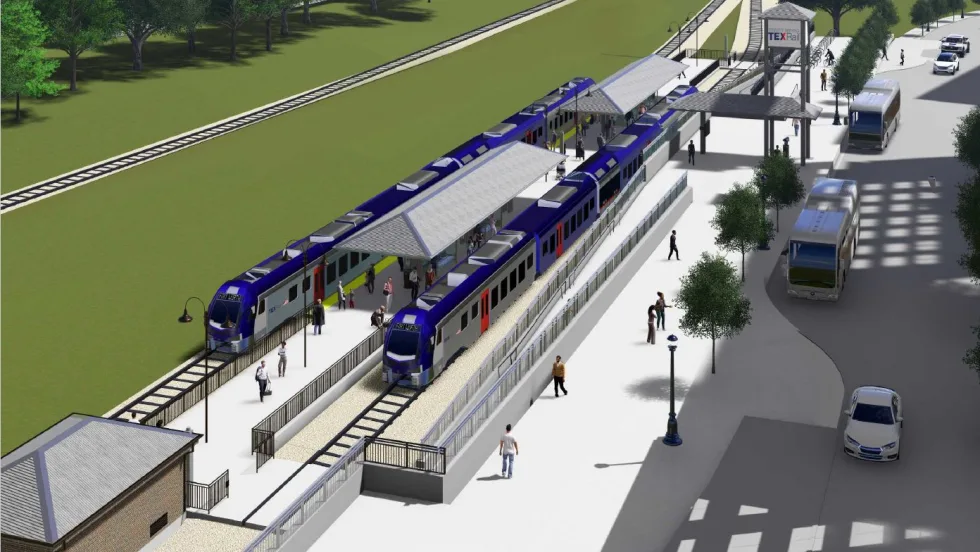
Trinity Metro Breaks Ground on $270M TEXRail Extension
The 2.1-mile extension will connect Fort Worth’s Medical District and Near Southside to downtown, surrounding communities, and Dallas-Fort Worth International Airport.
Read More →
Bringing Austin’s First Light Rail System to Life
Austin Transit Partnership CEO Greg Canally discusses the city's nearly 10-mile light rail project, its collaborative approach to project delivery, the importance of community engagement, and the milestones ahead as construction approaches in 2027.
Read More →
Metra Draft Plan Outlines Costs, Service Improvements for Regional Rail
The Systemwide Network Plan identifies infrastructure needs and potential investments to expand all-day, bidirectional rail service across the Chicago region.
Read More →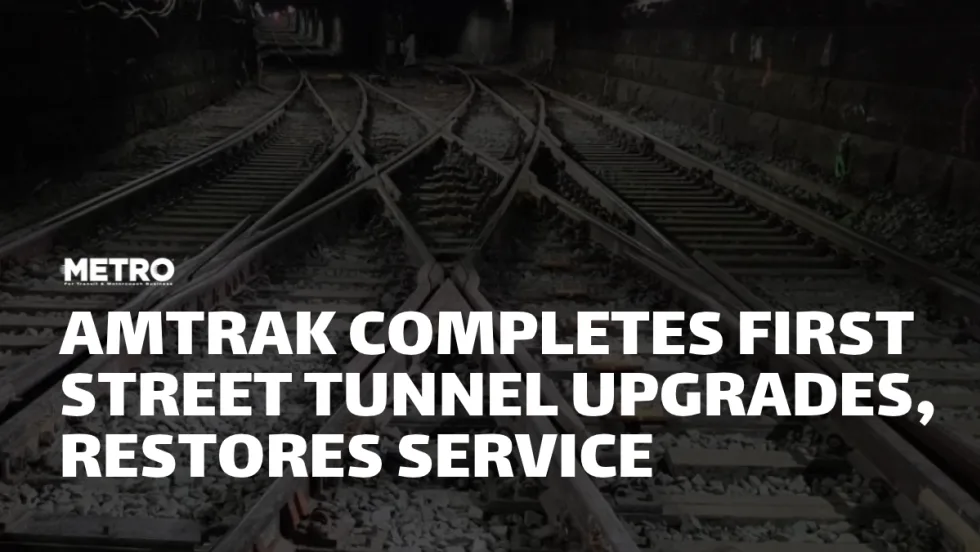
Amtrak Completes First Street Tunnel Upgrades, Restores Service
The nine-day construction project included replacing aging track infrastructure and modernizing switch systems near Washington Union Station.
Read More →
FRA Announces $2.3B for Passenger, Freight Rail Projects Nationwide
The CRISI Grant Program funding will support rail infrastructure improvements, safety upgrades, and projects aimed at improving freight and passenger rail service across 45 states and Washington, D.C.
Read More →
Caltrain’s Electrification Drives a New Era of Ridership Growth
The railroad’s shift to electric service has brought more frequent trains, stronger customer satisfaction, and increased ridership, earning it APTA’s Outstanding Public Transportation System award.
Read More →
FTA Advances $164M Broward County Commuter Rail Project
The proposed 10.5-mile commuter rail extension would connect Fort Lauderdale and Aventura, expanding passenger rail options in South Florida.
Read More →
New York MTA Launches Historic $1.9B Signal, Track Modernization Project
Funded in part by congestion pricing revenue, the project will replace nearly century-old signals along the A and C lines in Brooklyn and Queens.
Read More →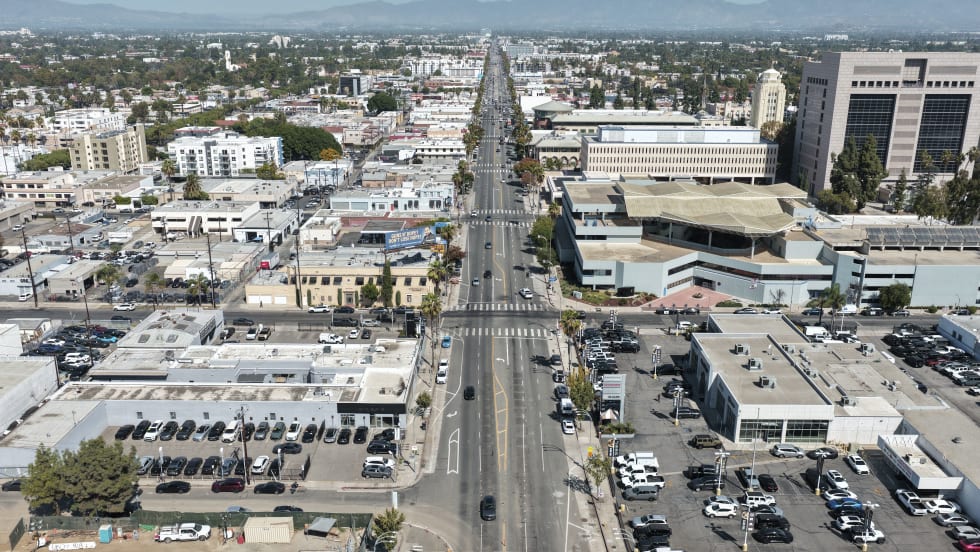
LA Metro Breaks Ground on East San Fernando Valley Light Rail Project
The 6.7-mile line will add 11 stations along Van Nuys Boulevard, expand access to jobs and regional transit connections, and support Metro’s broader efforts to improve mobility as rail ridership grows.
Read More →
CSA Group Releases Climate Resilience Standard for Transit, Passenger Rail
Developed with support from the Standards Council of Canada, CSA D700 guides assessing climate-related risks and planning adaptation measures for transit and passenger rail systems.
Read More →