



Calif. agency set for BRT line launch
Omnitrans' sbX system serves major activity centers, including two hospitals, two universities, numerous trade schools, city and county government centers, and employment centers, along with major shopping, hospitality and entertainment venues.

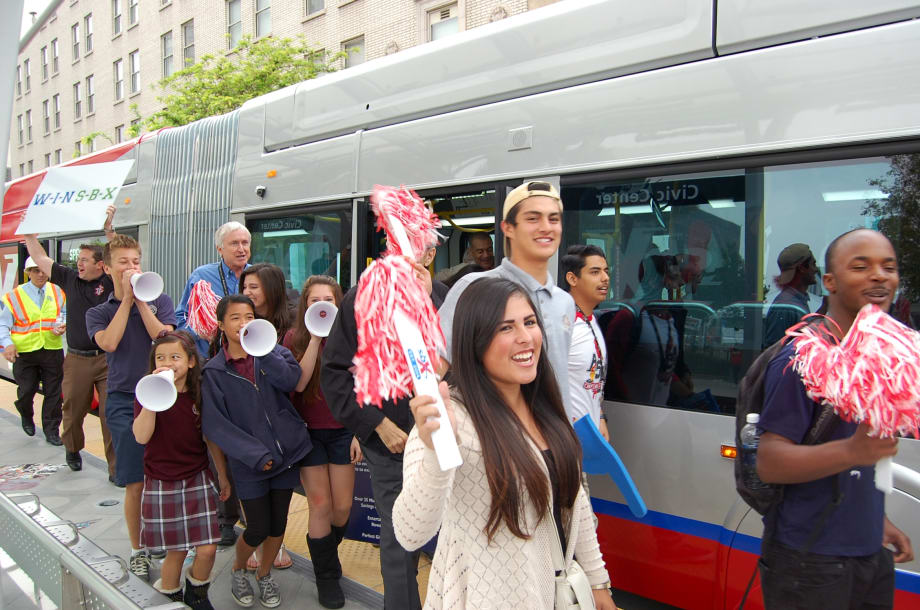
San Bernardino, Calif.-based Omnitrans celebrated the completion of the sbX bus rapid transit (BRT) line at a pep rally ceremony adjacent to the line’s civic center station. The new 16-mile BRT line begins passenger service on Monday, offering free rides through May 2.
The sbX Green Line includes over five miles of dedicated lanes, 16 station locations, and four park-and-ride lots. It serves major activity centers, including two hospitals, two universities, numerous trade schools, city and county government centers, and employment centers, along with major shopping, hospitality and entertainment venues.
The 14 articulated vehicles manufactured by New Flyer for the sbX line are the first five-door, compressed natural gas powered, 60-footers ever built.
“The sbX coaches feature our first rear-facing, self-securement wheelchair positions, our first interior bike racks, and our first on board Wi-Fi and power outlets,” explained Omnitrans CEO/GM Scott Graham.
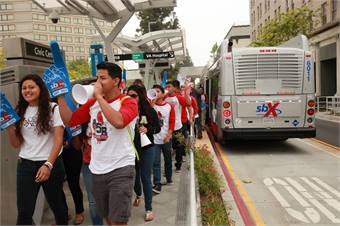
sbX vehicle delivers riders to a pep rally celebrating the completion of the Omnitrans new bus rapid transit line.
The BRT line utilizes traffic signal prioritization so sbX vehicles can advance through busy intersections. Dedicated station platforms offer real-time arrival displays, ticket vending machines, emergency telephones, customer call boxes and public art. To enhance security, the multiple video cameras at each station are monitored 24/7.
The Omnitrans sbX launch is the culmination of more than 10 years of planning, design, construction and system testing. Parsons Transportation Group helped initiate the project in 2004, taking it from alternatives analysis through final design. Jacobs Engineering handled construction management and related activities.
Project partners included Omnitrans, U.S. Department of Transportation Federal Transit Administration (FTA), San Bernardino Associated Governments, the City of San Bernardino and the City of Loma Linda.
Of the total $191.7 million project budget, 96% came from federal, state and county funds designated for transit projects, including $75 million from the FTA Small Starts Program. The project includes three elements: vehicle purchase, corridor construction and vehicle maintenance facility upgrades.
More Bus

Scenes from APTA TRANSform & EXPO 2026
Transit leaders, manufacturers, and industry professionals gathered in Chicago to explore new technologies, share ideas, and discuss the future of public transportation.
Read More →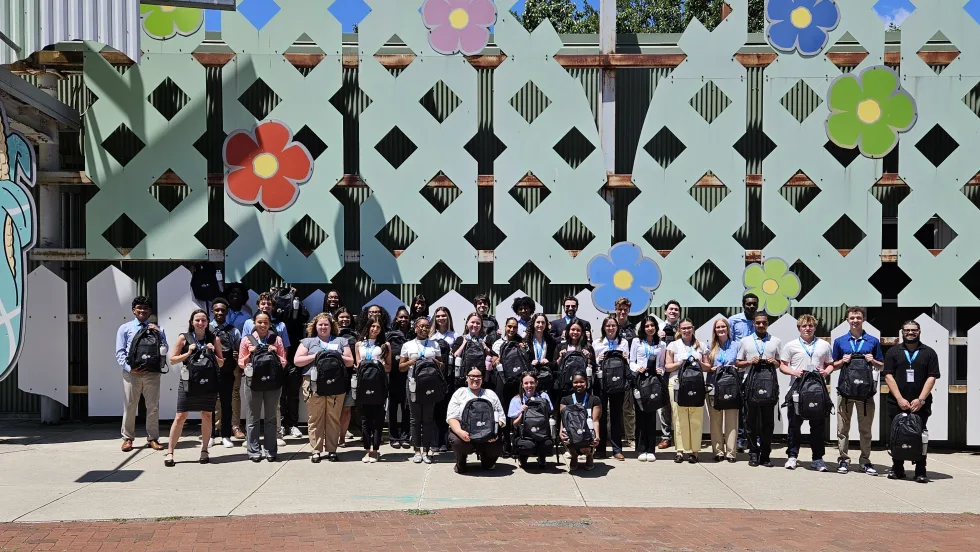
More Than a Summer Job: Building the Next Generation of Transit Talent
The Delaware River Port Authority and PATCO have transformed their internship program into a hands-on professional development experience that introduces students to the breadth of transportation careers — and creates a pipeline for future employees.
Read More →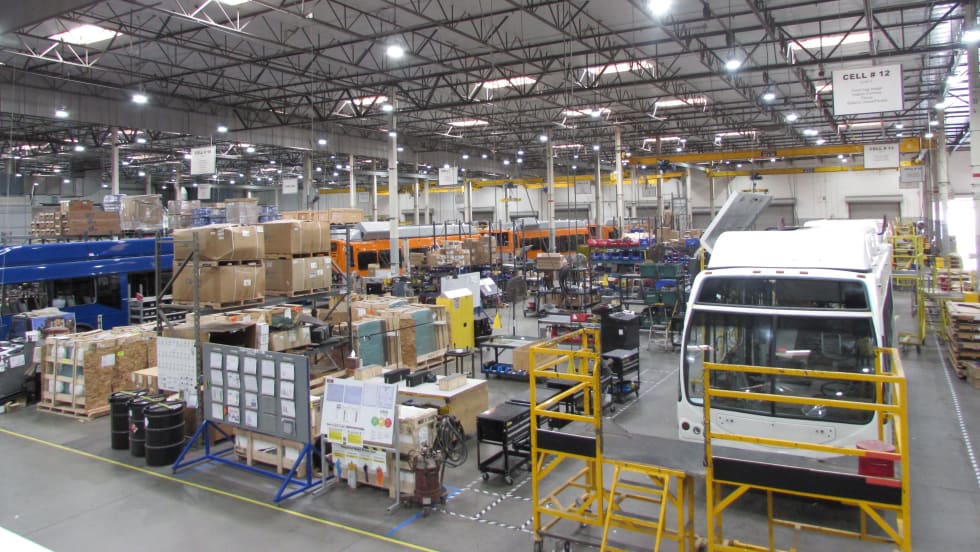
LA Metro Board Awards 220 Battery-Electric Bus Contract to ENC
The contract, which is the largest base award of battery-electric buses by a U.S. transit agency, will be built in Southern California, sustaining good jobs as LA prepares to welcome the world in 2028
Read More →
Public Transit Conference Returning to GFX in 2027, Call for Papers Now Open
The Call for Papers is now open, allowing transit agency professionals and industry experts to help shape the PTC educational program by submitting session ideas for consideration.
Read More →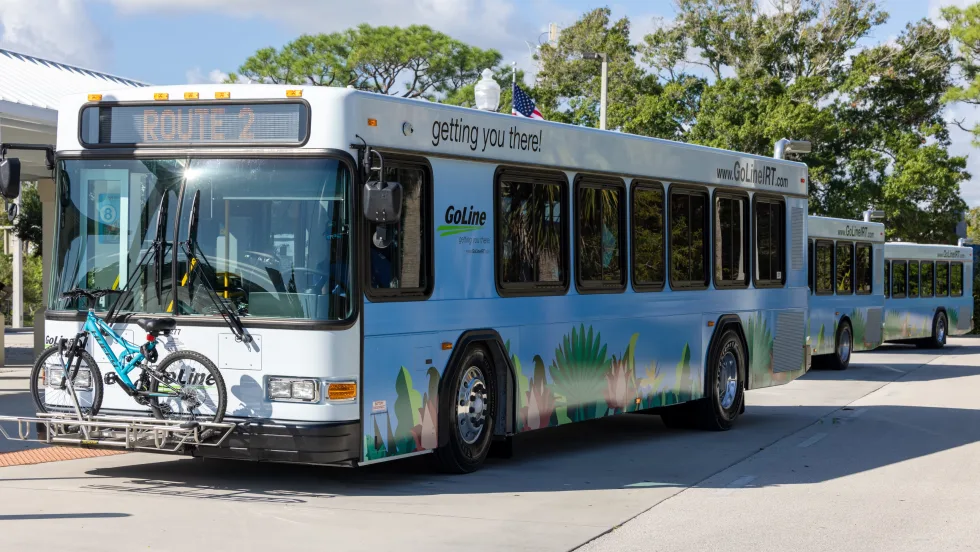
Indian River Transit’s Community-Focused Approach Earns National Recognition
Named APTA’s 2026 Outstanding Public Transportation System in its size category, Florida’s Indian River County transit system continues to grow ridership through fare-free service and a focus on evolving community needs.
Read More →
ENC Lands MATA Contract and More in Biz Briefs
In this edition of Biz Briefs, we spotlight the latest developments shaping the future of mobility.
Read More →
From Surviving to Thriving: Building Stronger Transportation Organizations
Bus Business Consultants founder Brian Dickson shares lessons on leadership, organizational health, and creating options for long-term success in a changing transportation industry.
Read More →
Everett Transit, Community Transit Outline Consolidation Agreement
The proposed agreement calls for a 50% increase in bus service in Everett, a new microtransit zone, continued paratransit service, and the transfer of Everett Transit operations to Community Transit.
Read More →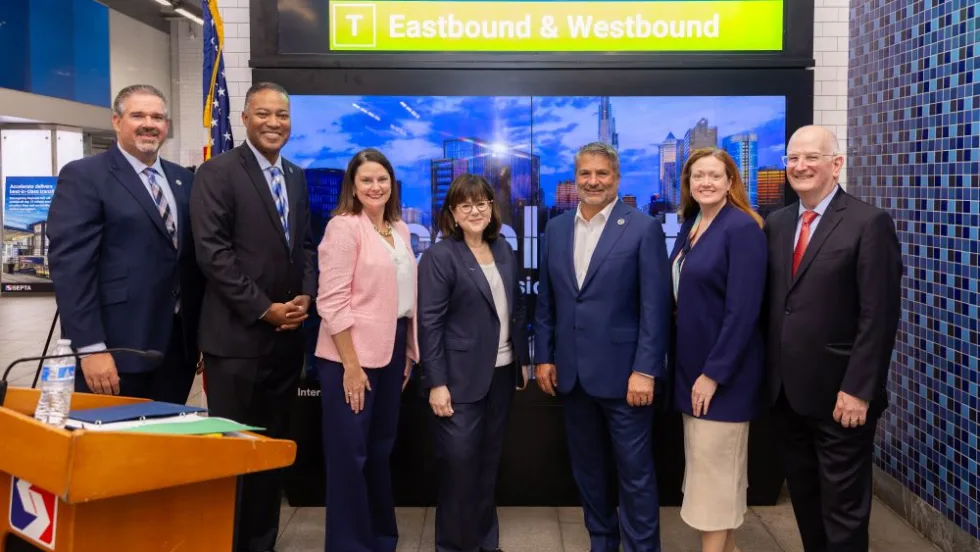
SEPTA Details Accelerate Vision for Transit System
The plan outlines investments in trolley modernization, new Metro and Regional Rail vehicles, accessible stations, and more frequent bus and rail service.
Read More →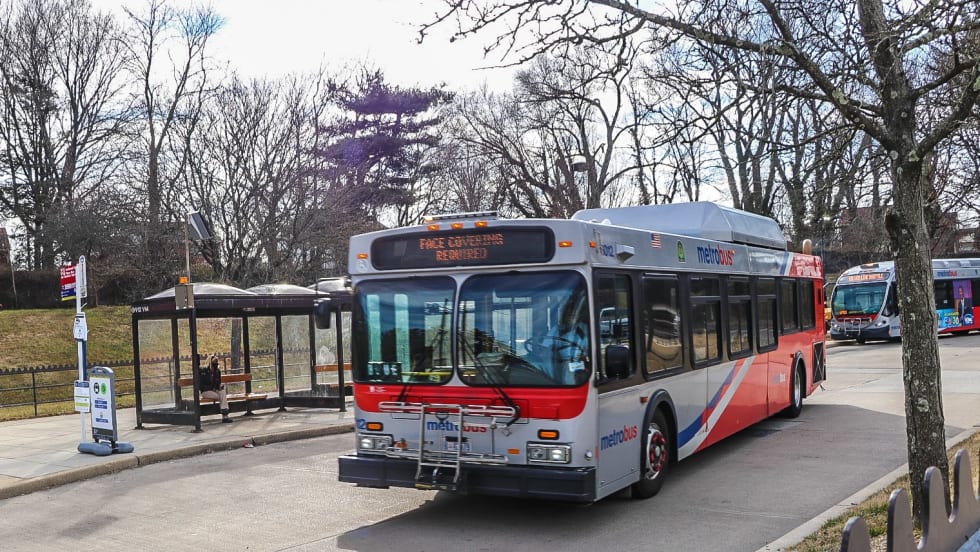
Report: Transit Bus Manufacturing Supports 34,100 Jobs, $5.1B in GDP
The “Buses Mean Business” report examines the transit bus manufacturing industry’s economic footprint, supply chain, and rising demand for vehicle replacements.
Read More →