



Calif. police driving decoy bus to catch tech shuttle shooter
CHP officials believed the suspect has been shooting a BB gun from another vehicle, which has resulted in damaged windows and dented exteriors.

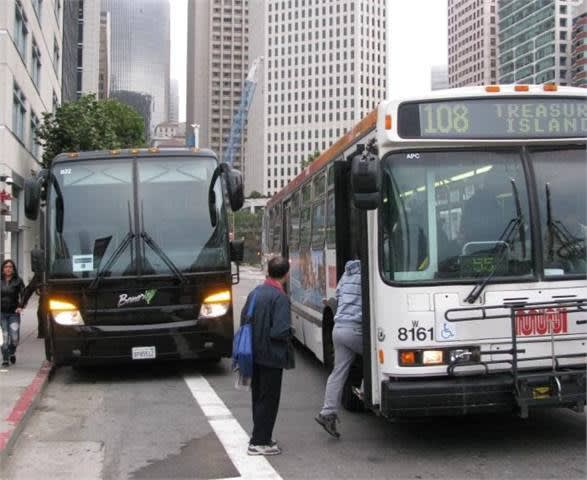
In response to the incidents, the companies have begun rerouting the buses, which travel along the I-280 corridor that connects San Francisco to cities down the peninsula, like Santa Clara and Cupertino, where Apple’s headquarters is based.
SFMTA
In response to the incidents, the companies have begun rerouting the buses, which travel along the I-280 corridor that connects San Francisco to cities down the peninsula, like Santa Clara and Cupertino, where Apple’s headquarters is based.
SFMTA
SAN FRANCISCO — Slate reports that after Apple and Google employee charter buses in the San Francisco Bay area have reportedly been shot at 20 times, the California Highway Patrol (CHP) has started driving a decoy bus that police hope will lure the shooter.
CHP officials believed the suspect has been shooting a BB gun from another vehicle, which has resulted in damaged windows and dented exteriors. The CHP is getting help from the FBI, and a $10,000 reward has been offered for information that may help lead to the arrest of those responsible.
In response to the incidents, the companies have begun rerouting the buses, which travel along the I-280 corridor that connects San Francisco to cities down the peninsula, like Santa Clara and Cupertino, where Apple’s headquarters is based. For the full story, click here.
More Security and Safety

Improving Transit Safety and Reliability Through AI
Hayden AI’s Chief Growth Officer, Charley Territo, discusses how AI-powered camera enforcement is helping transit agencies keep bus lanes and stops clear, improve accessibility, and move from pilot programs to full-scale deployments.
Read More →
Study: Denver RTD Generates $2.1 Billion in Annual Economic Activity
An economic impact study finds the agency supports approximately 17,500 jobs, delivers $1.6 billion in annual community and mobility benefits, and generates $2.42 in economic value for every dollar invested.
Read More →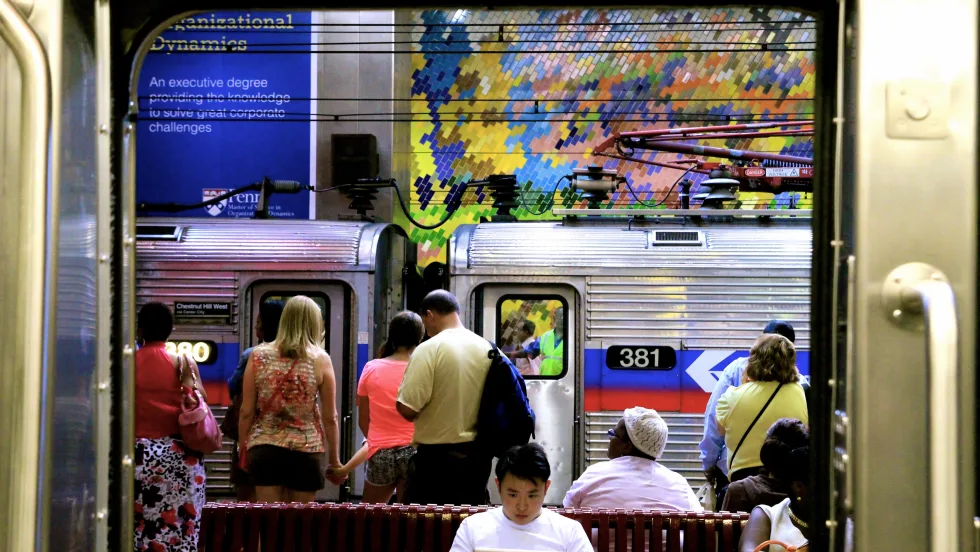
SEPTA Launches 'Reach' Program to Connect Vulnerable Individuals with Support
The initiative deploys specialists throughout Philadelphia’s transit system to connect individuals with housing, healthcare, and social services while addressing safety and quality-of-life concerns.
Read More →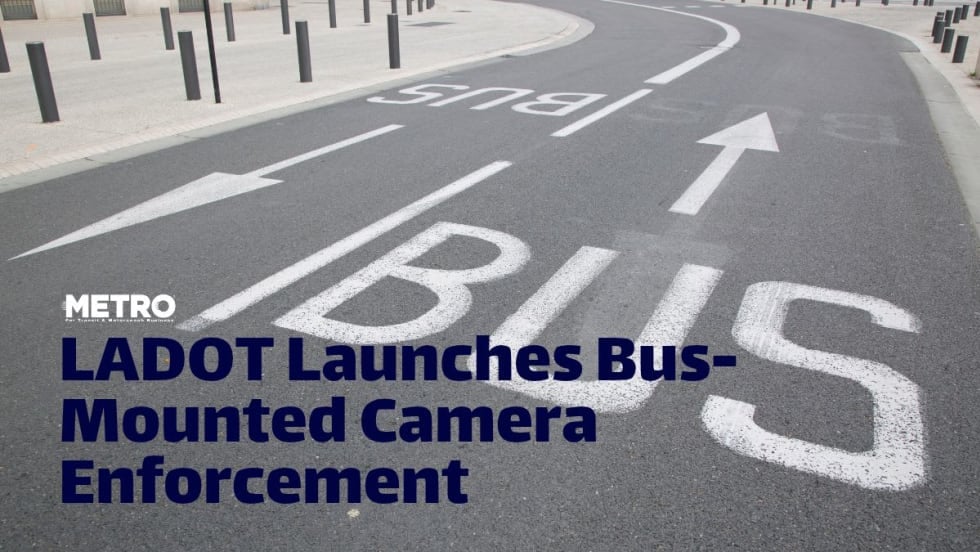
LADOT to Launch Bus-Mounted Camera Enforcement on DASH Buses
The program will begin with a 60-day warning period before citations are issued in January 2027, joining similar efforts across Southern California to improve bus reliability, safety, and accessibility.
Read More →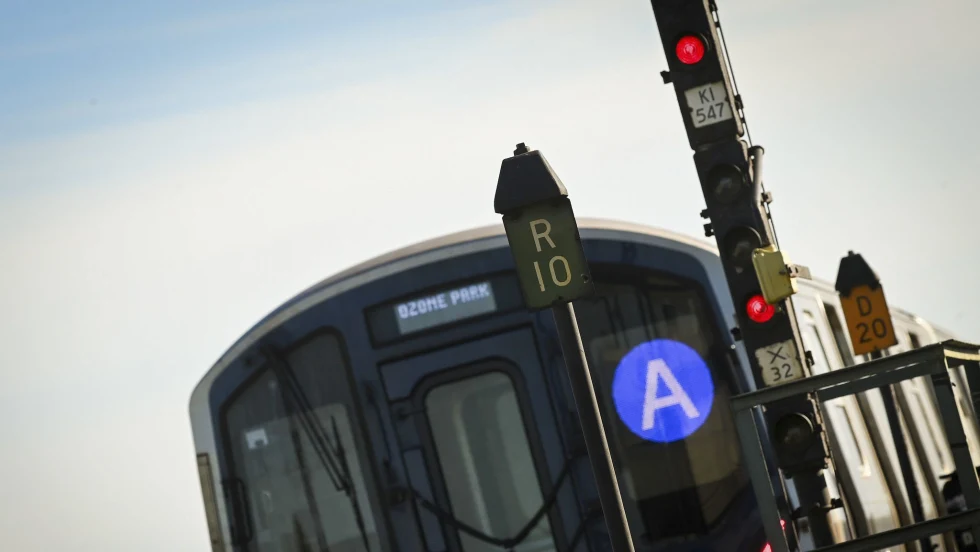
New York MTA Launches Historic $1.9B Signal, Track Modernization Project
Funded in part by congestion pricing revenue, the project will replace nearly century-old signals along the A and C lines in Brooklyn and Queens.
Read More →
CSA Group Releases Climate Resilience Standard for Transit, Passenger Rail
Developed with support from the Standards Council of Canada, CSA D700 guides assessing climate-related risks and planning adaptation measures for transit and passenger rail systems.
Read More →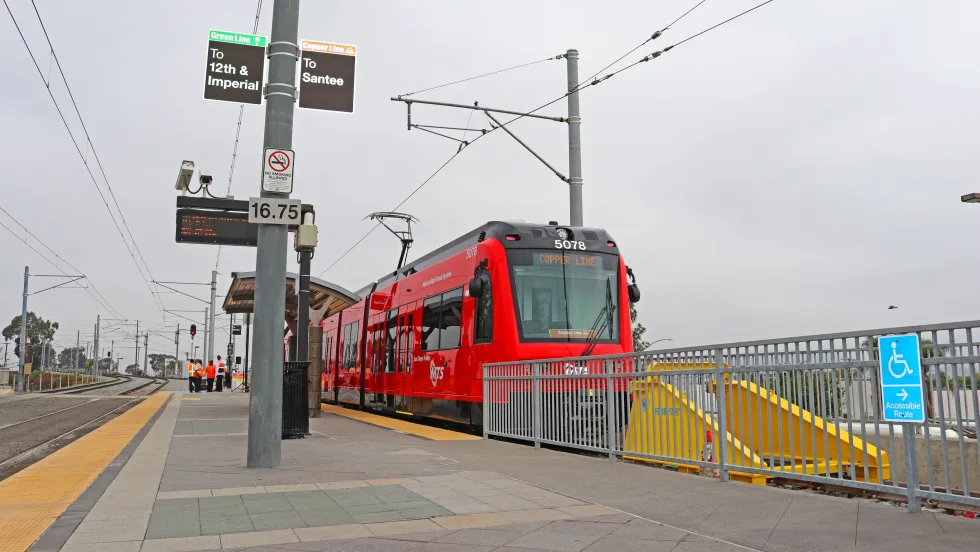
San Diego MTS Approves New Fare Evasion Penalty Program
The new administrative process will move eligible violations out of the criminal court system, cap penalties at $125, and provide flexible payment options for riders.
Read More →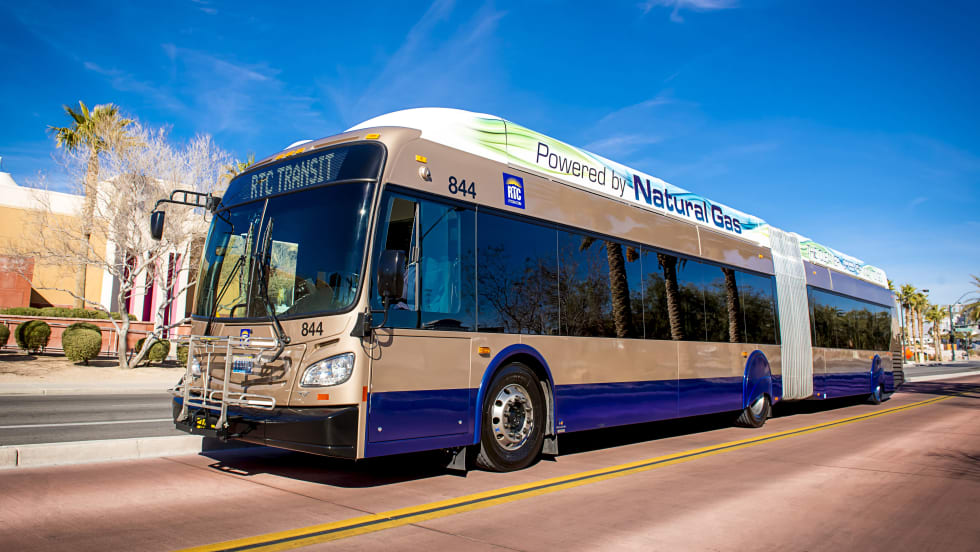
RTC of Southern Nevada Reports 29% Drop in Transit Operator Assaults
The agency credits expanded security measures, employee training, and technology investments for improvements in transit safety, while security officers have responded to 19 suspected overdoses since July.
Read More →
Public Transit Conference Returning to GFX in 2027, Call for Papers Now Open
The Call for Papers is now open, allowing transit agency professionals and industry experts to help shape the PTC educational program by submitting session ideas for consideration.
Read More →
Safe Transit Act Proposes New Security Requirements for Federal Transit Funding
Proposed legislation would link federal transit dollars to safety measures while requiring security investments, onboard cameras, and new fare collection standards.
Read More →