



California’s San Mateo County TA Awards $83M to Boost Transit Access, Connectivity
The investments, approved at the TA’s June board meeting, aim to reduce traffic congestion, improve regional connectivity, and expand equitable transportation infrastructure through two complementary grant programs.

With these latest awards, the San Mateo TA continues to fulfill its mission of delivering high-impact, community-informed transit solutions to meet the region’s growing transportation needs.
Photo: METRO
San Carlos, Calif.’s San Mateo County Transportation Authority (TA) approved over $83 million in funding to support a wide range of county transit access and mobility projects.
The investments, approved at the TA’s June board meeting, aim to reduce traffic congestion, improve regional connectivity, and expand equitable transportation infrastructure through two complementary grant programs: the San Mateo County Shuttle Program and the new Regional Transit Connections (RTC) Program.
Investing in Seamless, Sustainable Mobility
Awards include:
Peninsula Shuttle Program: $13.6 Million for First/Last-Mile Solutions
The TA awarded $13.6 million in Measure A funds for the Fiscal Year 2026–2027 San Mateo County Shuttle Program. The program will fund 23 local shuttle routes, many of which are operated by Commute.org and link regional transit systems, including Caltrain, BART, and ferry services, to key employment and residential hubs.
Awarded shuttles include:
19 commuter routes connecting major employment centers in Brisbane, South San Francisco, Daly City, Redwood City, and Millbrae.
Three community shuttles provide localized service in South San Francisco and Menlo Park.
Regional Transit Connections Program: $69.7 Million for Transformational Projects
In its first funding cycle, the RTC Program awarded $69.7 million in Measure W funds to support significant regional transit projects that improve cross-jurisdictional mobility.
Launched in 2024, the RTC Program is designed to enhance the efficiency and integration of transit across county lines through capital improvements, operational funding, and first/last-mile enhancements.
Notable projects funded under the RTC Program include:
BART Next Generation Fare Gates – $10.3 million: Upgrades will include full-height fare gates, advanced sensors, and ADA-friendly design to reduce fare evasion and enhance station safety in San Mateo County.
Caltrain Redwood City Four-Track Hub and Grade Separations – $13.5 million: Funds will support environmental clearance and engineering for a new Redwood City Transit Center with a four-track configuration to improve rail reliability and capacity.
SamTrans Dumbarton West Connector – $16.25 million: This planning and design project will create a dedicated busway linking the Peninsula to the Dumbarton Corridor, with multimodal enhancements that support historically underserved communities.
“The Regional Transit Connections Program is a game changer for San Mateo County,” said TA Executive Director April Chan. “These projects strengthen critical connections and lay the foundation for a more seamless and equitable transit network.”
A Vision Funded by Voters
The funding comes from two voter-approved local sales tax measures: Measure A, first passed in 1988 and extended in 2004, funds transportation improvements such as local shuttles and highway upgrades; and Measure W, passed in 2018, provides funding for transit operations, regional connections, and safety improvements.
With these latest awards, the TA continues to fulfill its mission of delivering high-impact, community-informed transit solutions to meet the region’s growing transportation needs.
More New Mobility

ENC Unveils ZAVIR Medium-Duty Electric Shuttle
The new ZAVIR brand targets shuttle and paratransit operations with battery-electric and range-extended electric vehicle options.
Read More →
Public Transit Conference Returning to GFX in 2027, Call for Papers Now Open
The Call for Papers is now open, allowing transit agency professionals and industry experts to help shape the PTC educational program by submitting session ideas for consideration.
Read More →
Everett Transit, Community Transit Outline Consolidation Agreement
The proposed agreement calls for a 50% increase in bus service in Everett, a new microtransit zone, continued paratransit service, and the transfer of Everett Transit operations to Community Transit.
Read More →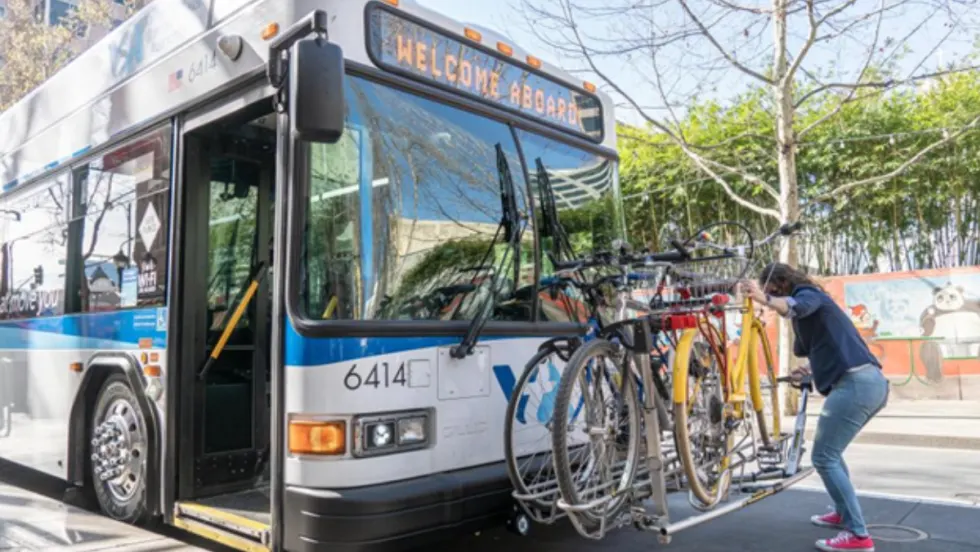
What Multimodal Data Can Tell Transit Agencies About Rider Demand
See how bike-on-bus data is giving transit agencies new insight into rider demand, capacity constraints, and gaps in first- and last-mile connections.
Read More →
From Hardware to Digital Partner: Luminator Charts Its Next Chapter
CEO Magnus Friberg discusses Luminator’s shift toward becoming a digital partner, the growing importance of software and interoperability, and how AI can help agencies improve operations and passenger experience.
Read More →
Biz Briefs: Alstom Lands Canadian Contract, LYT to Supply California TSP, and More
In METRO's latest installment, we take a look at recent news from Complete Coach Works, Beep, FlixBus, and more partnerships making headlines across the transportation sector.
Read More →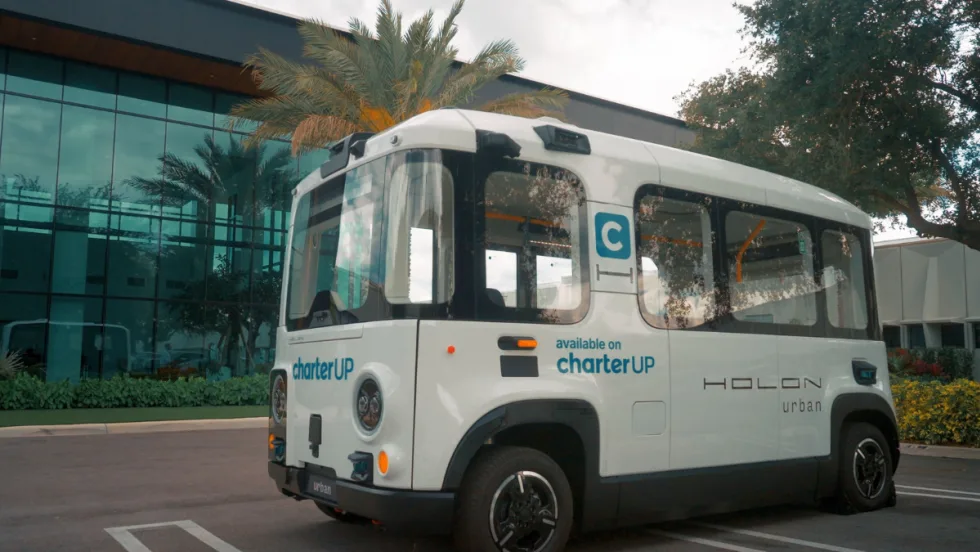
CharterUP’s Armir Harris on Technology, AI, and the Future of Group Mobility
In a recent episode of METROspectives, CharterUP Founder/CEO Armir Harris discussed the company’s evolution from an online charter bus marketplace into a technology platform supporting public- and private-sector mobility and much more.
Read More →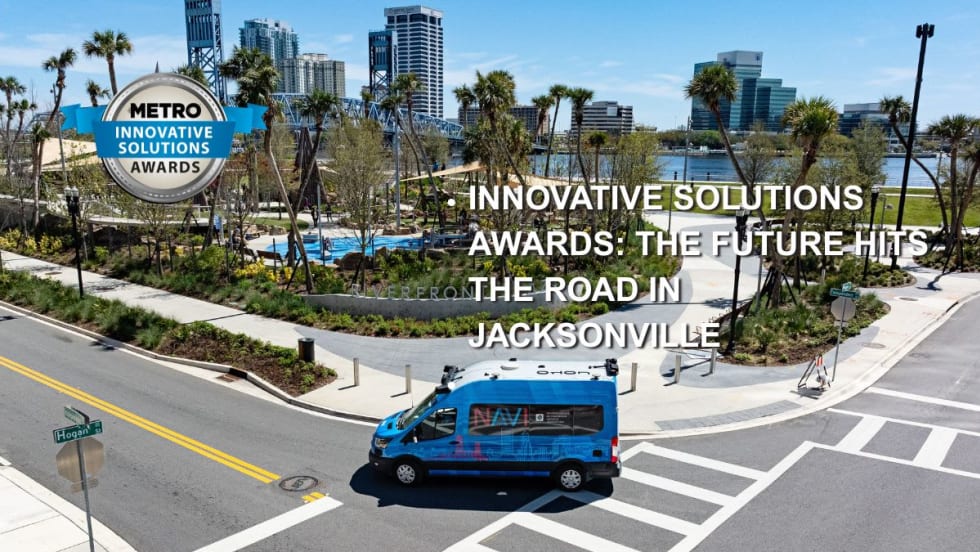
Jacksonville’s NAVI Project Charts a New Course for Autonomous Public Transportation
Through its NAVI program, JTA is showing how autonomous vehicles, intelligent infrastructure, and coordinated operations can work together to deliver everyday public transportation.
Read More →
Biz Briefs: Luminator Marks Milestone and More
From manufacturers and suppliers to transit agencies and motorcoach operators, these updates offer a snapshot of the projects, partnerships and business moves driving the industry forward.
Read More →
New Tricks for Old Bureaucracies: Joshua Schank on Making Transit Innovation Stick
Former LA Metro Chief Innovation Officer Joshua Schank discusses why good ideas aren't enough, how transit agencies can overcome resistance to change, and why today's challenges demand more innovation.
Read More →