



CATS, Lyft partner to provide first-, last-mile service at light rail stations
A trip must originate or terminate at either of those two station locations and end or start in the specified area around each of the two stations.


Partnering with companies like Lyft and Passport allows CATS to expend funds for trips only when demand is needed versus running a route all day with multiple buses when demand ebbs and flows in areas where service is limited.
CATS

Partnering with companies like Lyft and Passport allows CATS to expend funds for trips only when demand is needed versus running a route all day with multiple buses when demand ebbs and flows in areas where service is limited.
CATS
The Charlotte Area Transit System (CATS) announced a pilot program with Lyft and Passport, the developer of CATSPass app, which will provide greater connectivity to jobs and education by providing affordable and reliable transportation with Lyft on the first and last mile of a person's commute in areas where transit service may be too far away. The pilot program will be offered at two LYNX stations and the area surrounding the stations.
For passengers needing a Lyft ride to or from the JW Clay/UNC Charlotte station or the Parkwood Station, CATS will provide a $4 contribution toward the Lyft fare.
A trip must originate or terminate at either of those two station locations and end or start in the specified area around each station. These areas were selected to fill gaps in the existing transit network to provide better access to the region's extended rail system. Choosing the Parkwood Station as one of the two sites, allows for the opportunity to partner with the North End Smart District, and the residents, city leaders, and partners who are working together to create a great quality of life and achieve equitable outcomes through the use of technology, data, and collaboration.
"This pilot is a new, innovative and cost effective way to provide greater service and connectivity to our customers," said CATS Executive Director John Lewis. "It provides a good alternative in certain areas where it is not cost-effective to operate a route with multiple buses running all day."
Partnering with companies like Lyft and Passport allows CATS to expend funds for trips only when demand is needed versus running a route all day with multiple buses when demand ebbs and flows in areas where service is limited.
More New Mobility

ENC Unveils ZAVIR Medium-Duty Electric Shuttle
The new ZAVIR brand targets shuttle and paratransit operations with battery-electric and range-extended electric vehicle options.
Read More →
Public Transit Conference Returning to GFX in 2027, Call for Papers Now Open
The Call for Papers is now open, allowing transit agency professionals and industry experts to help shape the PTC educational program by submitting session ideas for consideration.
Read More →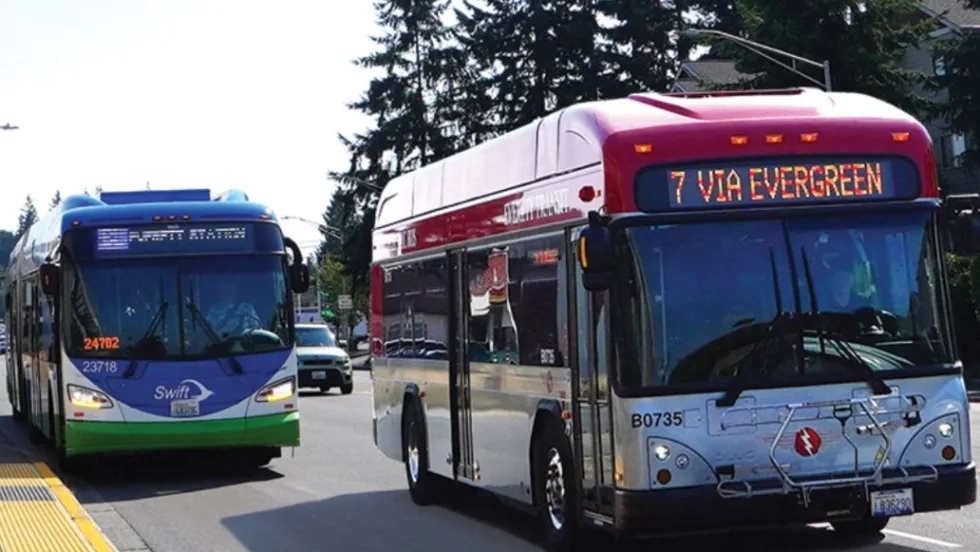
Everett Transit, Community Transit Outline Consolidation Agreement
The proposed agreement calls for a 50% increase in bus service in Everett, a new microtransit zone, continued paratransit service, and the transfer of Everett Transit operations to Community Transit.
Read More →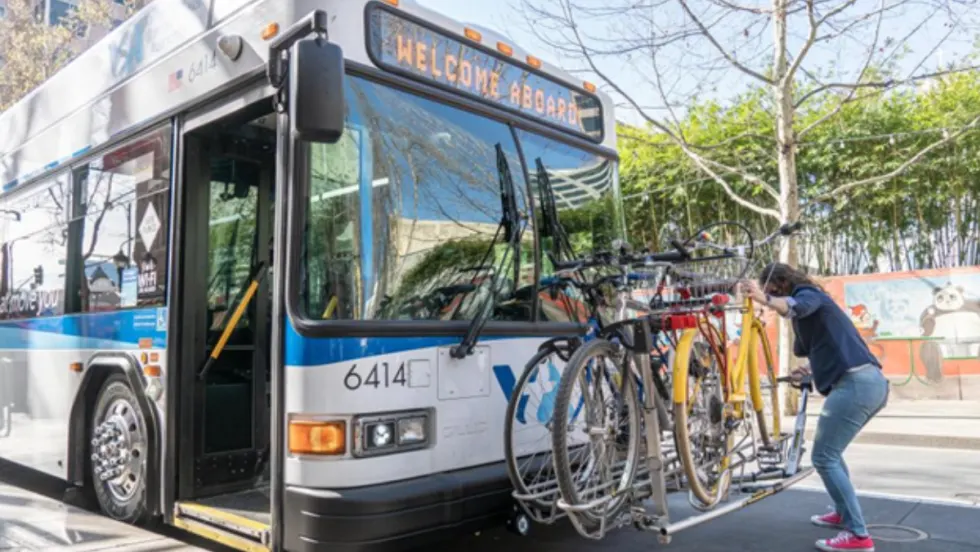
What Multimodal Data Can Tell Transit Agencies About Rider Demand
See how bike-on-bus data is giving transit agencies new insight into rider demand, capacity constraints, and gaps in first- and last-mile connections.
Read More →
From Hardware to Digital Partner: Luminator Charts Its Next Chapter
CEO Magnus Friberg discusses Luminator’s shift toward becoming a digital partner, the growing importance of software and interoperability, and how AI can help agencies improve operations and passenger experience.
Read More →
Biz Briefs: Alstom Lands Canadian Contract, LYT to Supply California TSP, and More
In METRO's latest installment, we take a look at recent news from Complete Coach Works, Beep, FlixBus, and more partnerships making headlines across the transportation sector.
Read More →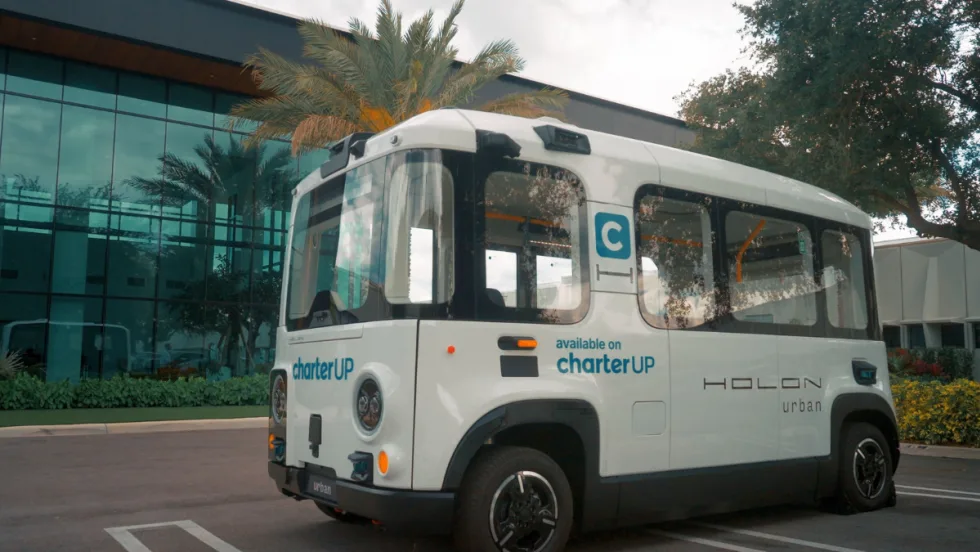
CharterUP’s Armir Harris on Technology, AI, and the Future of Group Mobility
In a recent episode of METROspectives, CharterUP Founder/CEO Armir Harris discussed the company’s evolution from an online charter bus marketplace into a technology platform supporting public- and private-sector mobility and much more.
Read More →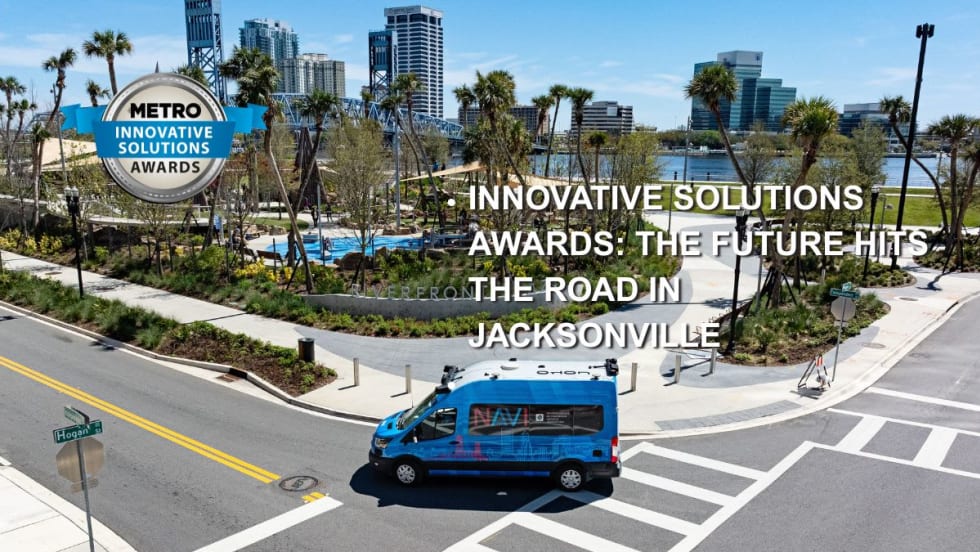
Jacksonville’s NAVI Project Charts a New Course for Autonomous Public Transportation
Through its NAVI program, JTA is showing how autonomous vehicles, intelligent infrastructure, and coordinated operations can work together to deliver everyday public transportation.
Read More →
Biz Briefs: Luminator Marks Milestone and More
From manufacturers and suppliers to transit agencies and motorcoach operators, these updates offer a snapshot of the projects, partnerships and business moves driving the industry forward.
Read More →
New Tricks for Old Bureaucracies: Joshua Schank on Making Transit Innovation Stick
Former LA Metro Chief Innovation Officer Joshua Schank discusses why good ideas aren't enough, how transit agencies can overcome resistance to change, and why today's challenges demand more innovation.
Read More →