




Related: CCW delivers converted electric bus to Calif. agency
CCW delivers ZEPS electric buses with WAVE tech. to Texas
WAVE technology transfers power through the air, from embedded charging pad placed in the pavement to the vehicle's undercarriage seven to eight inches above, minimizing the need for on-board power storage.
January 28, 2016
2 min to read
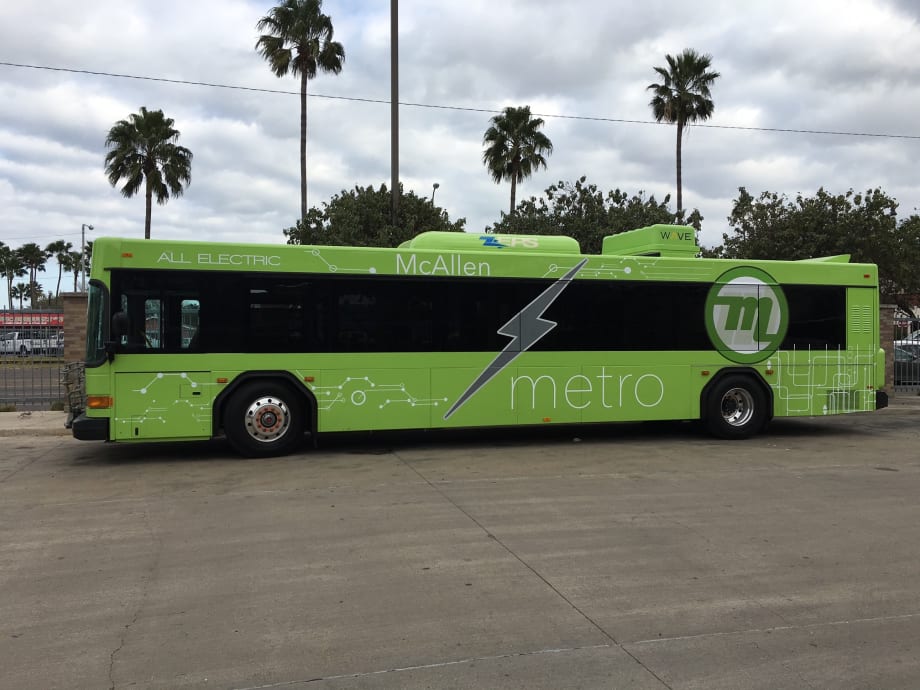
Complete Coach Works (CCW) delivered two Zero Emission Propulsion System (ZEPS) buses that include a wireless charging system provided by Wireless Advanced Vehicle Electrification (WAVE) to the City of McAllen, Texas’ Transit Department, Metro McAllen.
“We are excited about the project, it will be a great benefit to our community and it’s going to be a project that will potentially help advance ZEPS, a product that can revolutionize the industry,” shared Mario Delgado, transit director for McAllen.
The ZEPS powered buses create significant carbon savings by eliminating activities involved in manufacturing a new bus. The rehabbed buses cost a fraction of what a new all-electric bus would cost, helping minimize budget and environmental impact.
WAVE technology transfers power through the air, from embedded charging pad placed in the pavement to the vehicle's undercarriage seven to eight inches above, minimizing the need for on-board power storage.
An embedded charging pad has been placed in the asphalt at one of the McAllen stops so that the bus route will be unchanged. The embedded pads will measure about three feet square. The pads are flat and seamlessly blend with the asphalt causing no harm to anyone/anything that pass over it.
The two ZEPS buses will reduce the cost of maintenance and fuel and are also five feet longer than the current buses in the McAllen fleet, permitting a larger capacity limit.
More Technology
New York MTA Launches Historic $1.9B Signal, Track Modernization Project
Funded in part by congestion pricing revenue, the project will replace nearly century-old signals along the A and C lines in Brooklyn and Queens.
Read More →
Biz Briefs: New Electric Offering from Alexander Dennis/Volvo, Transdev in Boston, and More
In METRO's latest installment, we also take a look at recent news from STV, WSP, Prevost, and more partnerships making headlines across the transportation sector.
Read More →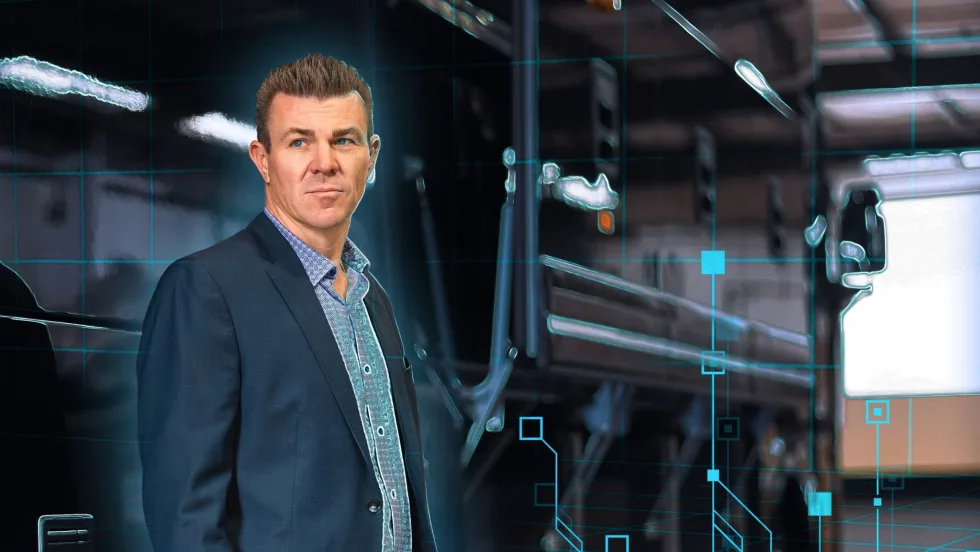
Roman Cornell on ABC Companies’ Evolution and the Future of Passenger Transportation
The company’s CEO discusses carrying forward a third-generation family legacy, ABC’s continued evolution in passenger transportation, support for increasingly complex fleets, and how technology and continued investment could help operators improve uptime.
Read More →
ETA CEO John Maglio on Transit Technology, Innovation, and Building Agency Trust
ETA founder and CEO John Maglio explores the evolution of transit technology, the importance of reliable systems, and how stronger partnerships can help agencies improve operations and the passenger experience.
Read More →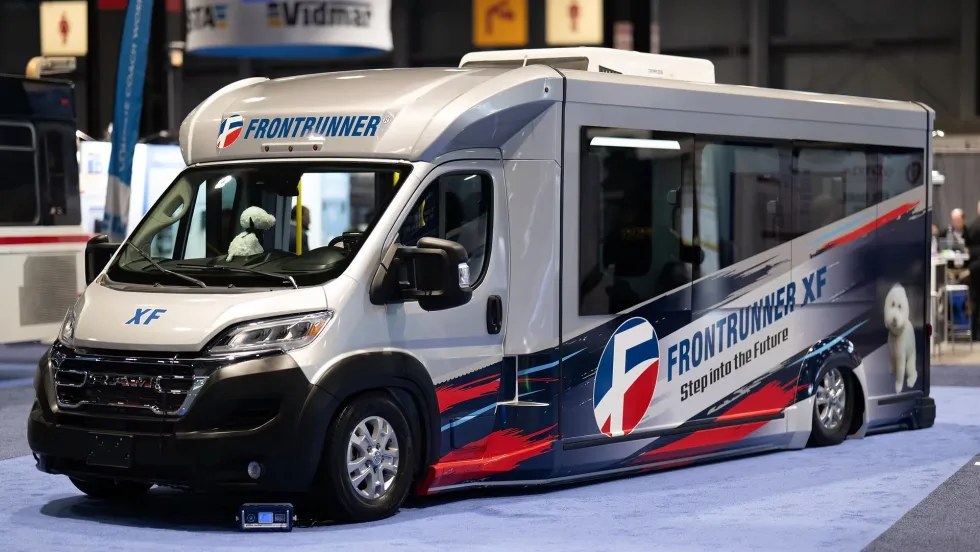
Frontrunner Bus Group Introduces XF Low-Floor Bus with Enhanced Accessibility
The new mid-sized bus features a full flat-floor design, eight-inch curbside step-in height, and zero-entry rear ramp to improve passenger access and operational flexibility.
Read More →
Building a Flexible Path to Transit Electrification with BAE's John Hroncich
John Hroncich discusses BAE Systems’ modular and scalable approach, lessons learned from decades of real-world operations, and how agencies can identify electrification strategies that fit their fleets.
Read More →
Scenes from APTA TRANSform & EXPO 2026
Transit leaders, manufacturers, and industry professionals gathered in Chicago to explore new technologies, share ideas, and discuss the future of public transportation.
Read More →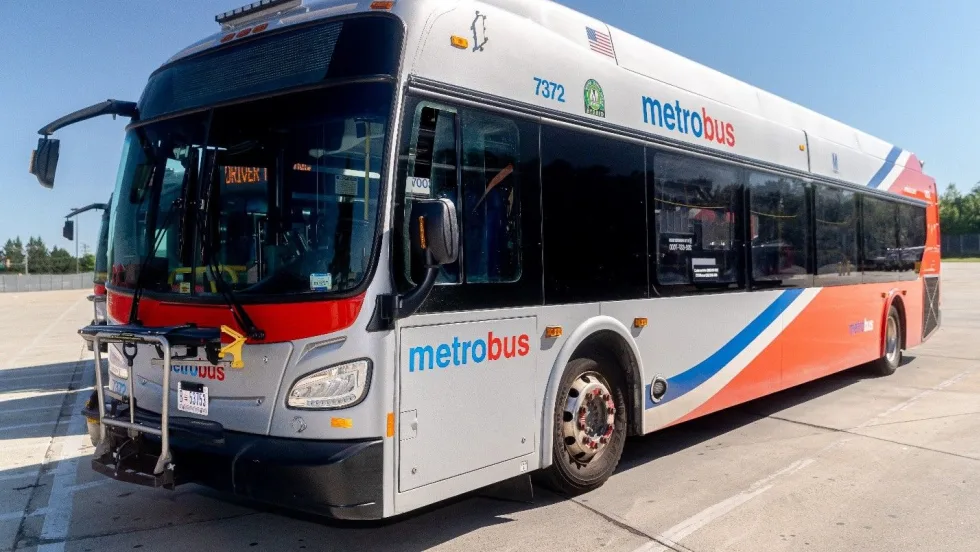
Biz Briefs: New Flyer Secures Additional 100-Bus Order from WMATA and More
In METRO's latest installment, we also take a look at recent news from Masabi, MCI, Samsara, and more partnerships making headlines across the transportation sector.
Read More →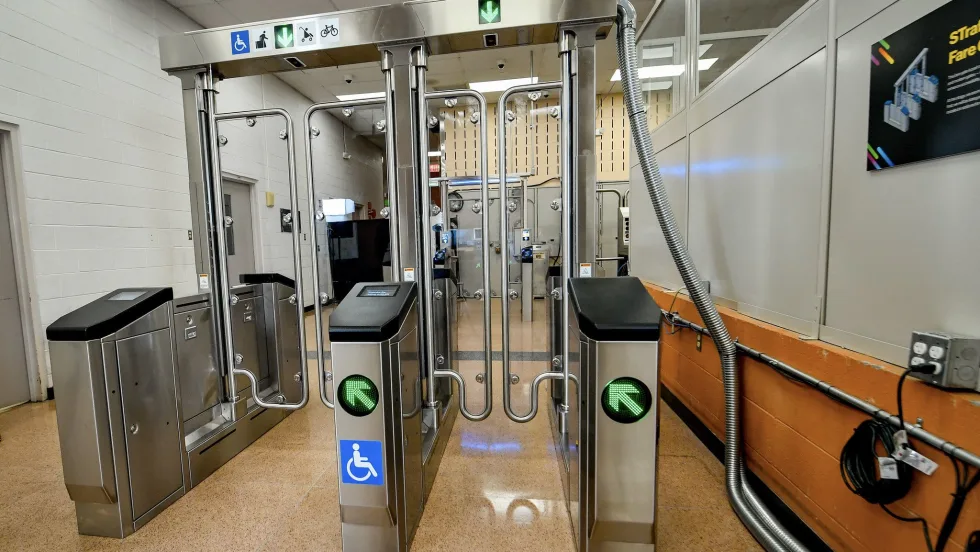
MTA Fare Gate Pilot Reduces Fare Evasion by 35%
Following a 20-station pilot, the agency plans to install new fare gates at 20 additional subway stations as part of a $1.1 billion modernization initiative.
Read More →
California Law Extends AC Transit’s Bus Lane Camera Enforcement
The new law allows AC Transit to continue using forward-facing bus cameras to enforce parking violations in bus-only lanes and at bus stops.
Read More →