Chicago Summit Focuses on Improving Transit Safety
The Summit gathered leaders and transit riders to explore solutions, including enhancing personal security and addressing perception of crime on transit and incorporating transit-specific strategies into social services initiatives.
Ways the transit agencies can have the greatest impact on perceptions of safety are by providing frequent and reliable service, cleanliness, and lighting, according to the panel survey results.
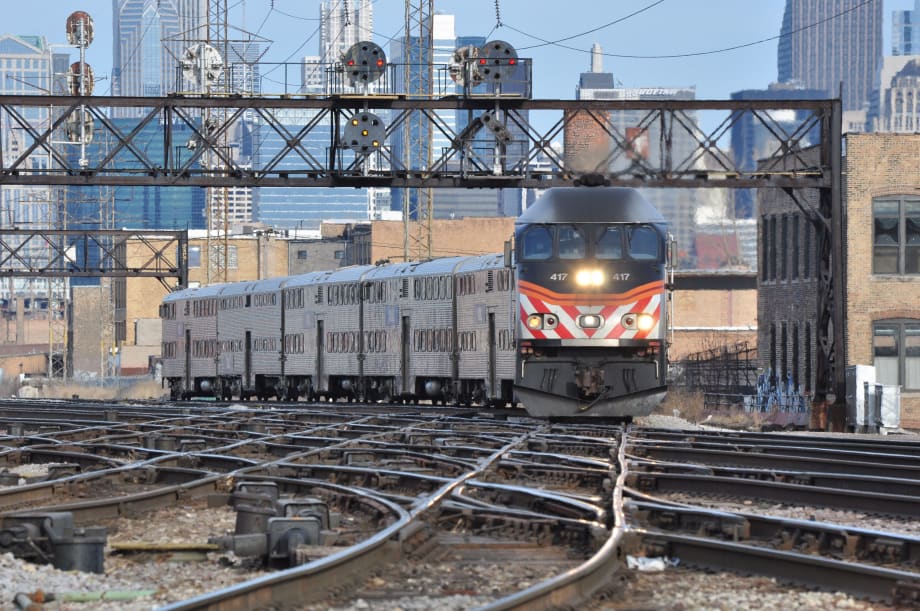
Photo: Metra
3 min to read
Chicago’s Regional Transportation Authority (RTA) joined with CTA, Metra, Pace, the City of Chicago, and other municipal and social service partners to host a cross-sector Public Transit Safety and Security Summit — a major implementation step of the regional transit strategic plan “Transit is the Answer” and a collaborative effort toward ensuring all riders and operators feel safe on transit.
The Safety and Security Summit gathered leaders along with transit riders to explore holistic solutions. Areas of focus included:
Ad Loading...
Enhancing personal security and addressing perception of crime on transit.
Incorporating transit-specific strategies into social services initiatives.
Creating safer, more welcoming environments in transit stations and stops.
The RTA Summit
The summit was a recommendation outlined in Mayor Brandon Johnson’s transition report, “A Blueprint for Creating a More Just and Vibrant City for All,” which sets a goal to “implement a holistic approach to improving safety on transit. Everyone should feel safe riding public transit in Chicago, particularly the city’s most vulnerable riders.”
Deputy Mayor Garian Gatewood, the city of Chicago’s first deputy mayor for community safety, and Illinois Sen. Ram Villivalam, chair of the Senate Transportation Committee, spoke at the event and emphasized their commitment holistic solutions to safety and security issues.
Enhancing Security, Perception of Transit
RTA Deputy Executive Director, Planning, Maulik Vaishnav presented results of a recent panel survey that asked riders how they perceive crime on transit. The study found riders are most concerned about dangerous behavior, substance use, and damaged and dirty facilities.
Ways the transit agencies can have the greatest impact on perceptions of safety are by providing frequent and reliable service, cleanliness, and lighting, according to the panel survey results.
Ad Loading...
“Chicago and our transit agencies clearly have a strong role to play in making sure every rider and operator feels and is safe riding,” said RTA Executive Director Leanne Redden. “But we cannot do it alone. Operators and riders who are most dependent on the system are most impacted by not just crime — but the feeling of being unsafe or by news coverage of a station or route in their community as being unsafe. And we must center their voices and experiences in this work.”
Each year the RTA hosts a call for projects for its Community Planning program, which provides funding and technical assistance to local governments to help foster the growth of sustainable, equitable, walkable, and transit-friendly communities.
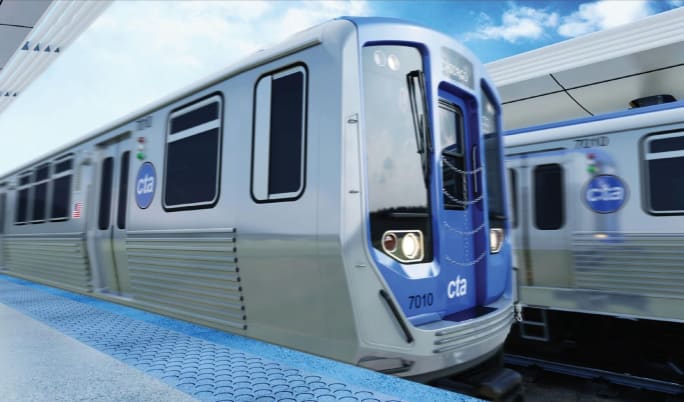
Photo: CTA
Incorporating Transit-Specific Strategies
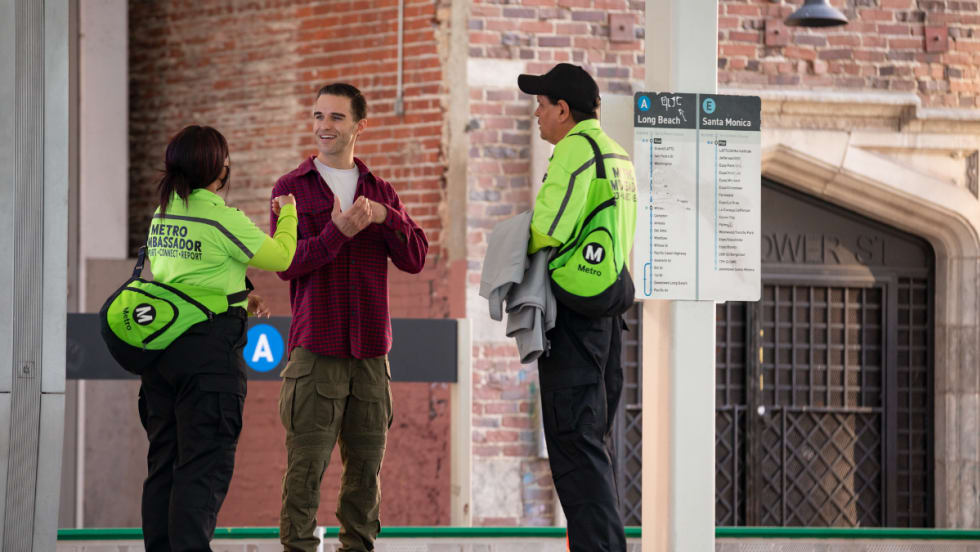
The half-day workshop included a panel discussion with representatives from peer agencies, including Stephen Tu, deputy executive officer, station experience, at LA Metro, and Lesley Kandaras, GM of Minneapolis Metro Transit.
Tu and Kandaras shared a national perspective on safety and specific interventions they have implemented in their regions from increased policing to forming multidisciplinary teams, including social workers and healthcare workers to support homeless people on transit to utilizing public art or classical music, along with better lighting and infrastructure investments, to make stations more inviting and safer for riders.
Creating Safer, More Welcoming Environments
Each year the RTA hosts a call for projects for its Community Planning program, which provides funding and technical assistance to local governments to help foster the growth of sustainable, equitable, walkable, and transit-friendly communities.
This year, the RTA is piloting a new category focused on safety and security — Transit Station Activation.
Ad Loading...
Under this category, funding will be made available to cover the costs related to rail station and bus stop activation projects and activities aimed at bringing a temporary, increased presence of people to transit stations and stops as a solution to real or perceived public safety concerns.
It is envisioned these projects and activities will be simple, short-term actions or events occurring for a few hours over the course of several days that will bring residents, transit riders, and visitors to the area to experience the activation project. Projects could include things like musical performers, pop up vendors, local artist showcases, beautification, community outreach, or safe walk programs.
Station activation projects are expected to cost between $5,000 and $20,000 and the RTA in coordination with the service boards will select a few pilot projects in this category in 2024.
The 90-day demonstration will deploy coordinated security teams at five light rail stations while testing controlled access and gathering data to guide future investments.
The app expands on RTD’s existing NextRide web application and allows customers to view real-time vehicle locations and service alerts, purchase and store digital fares, and access customer support.
The revamped program addresses 26 OSHA standards for maintenance facilities, with TAPTCO pointing to training, documentation, and everyday shop hazards as continuing challenges for transit operations.
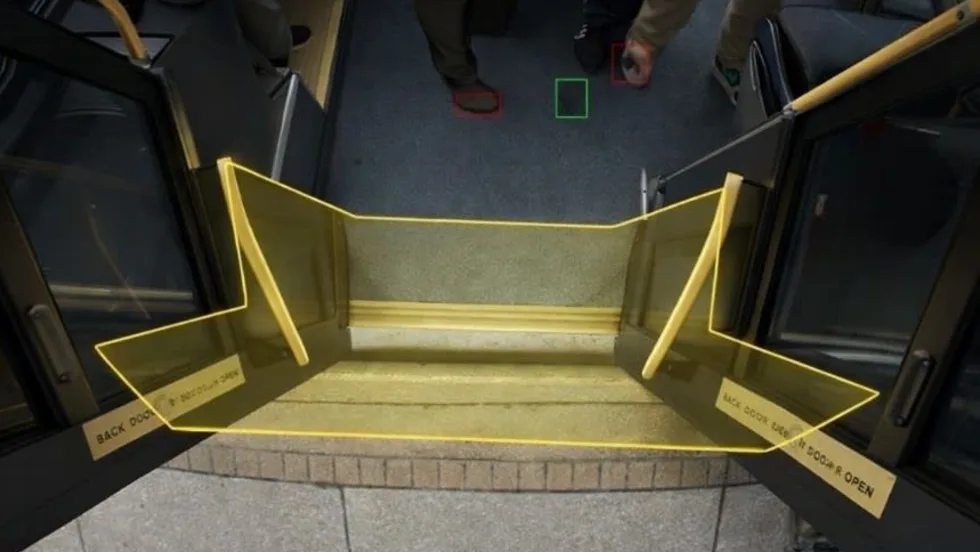
Wabtec engineers explain how the system improves doorway detection, strengthens diagnostics and gives transit agencies and OEMs greater operating flexibility.
The award-winning partnership combines AI-powered detection with human oversight to improve bus reliability, accessibility, and enforcement efficiency.
The agency's latest homelessness count offers new data on how care-based services and cross-sector partnerships can complement traditional transit security strategies.
The online dashboard transforms National Transit Database information into a public-facing resource that allows users to compare transit agencies on key operational and safety metrics.