



Chicago Transit Returning Rail Service to Pre-Pandemic Levels
The news delivers on CTA President Dorval R. Carter Jr.’s commitment to provide pre-pandemic levels of rail service by end of year. With this new schedule, CTA is adding over 1,200 weekly rail trips when compared to the Spring 2024 schedule.

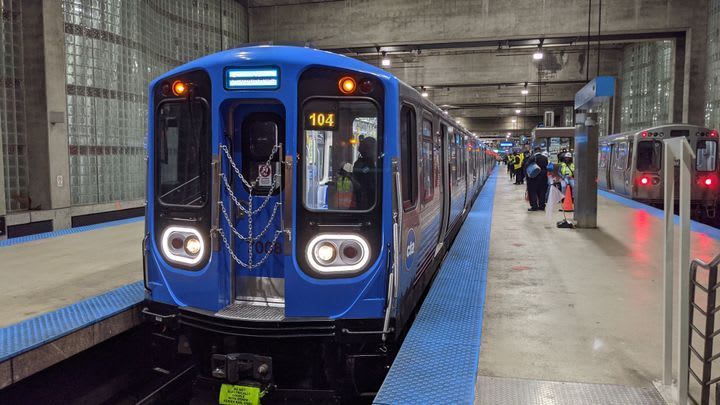
As part of CTA's proposed 2025 operating budget, additional bus and rail services are planned for the year ahead.
PHOTO: CTA
As part of its commitment to riders to improve service frequency, the Chicago Transit Authority (CTA) announced details of the fall rail service schedule, which will result in added services along all eight rail lines, across all days of the week — the equivalent of a 20% increase in scheduled weekly roundtrips.
The news delivers on CTA President Dorval R. Carter Jr.’s commitment to provide pre-pandemic levels of rail service by end of year. With this new schedule, CTA is adding over 1,200 weekly rail trips when compared to the Spring 2024 schedule.
“As a result of our efforts, I am pleased to share that as promised, CTA has returned to pre-pandemic scheduled levels across all rail lines before the end of the year,” Carter said. “Hundreds of dedicated personnel throughout our agency worked tirelessly over the last couple years to recruit, hire, and train the unprecedented number of employees needed to strengthen our workforce and get us where we are today. And I look forward to building on our success next year with more rail service improvements planned for 2025.”
Returning to Pre-Pandemic Levels
The rail schedule returns to pre-covid service levels with some strategic adjustments to better meet current ridership patterns.
Current ridership retention across all rail lines compared to 2019 is highest on Saturdays and Sundays. This schedule reduces some rush hour weekday service to allow CTA to deliver more weekend service, especially on Sundays.
CTA will continue to analyze ridership trends and mobility patterns to determine additional service adjustments that can better meet evolving ridership.
Bringing Back More Service
In 2024, CTA committed to training up to 200 new rail operators, double the amount from the previous year.
CTA has trained and qualified more than 150 rail operators who have since been added into service, with the remaining cohorts of employees currently in training and expected to begin qualifying for rail operator status before the end of the year.
CTA’s rail operator training courses allow for at least 20 participants per class, with up to three classes in training at a given time.
As part of the agency’s proposed 2025 operating budget, additional bus and rail services are planned for the year ahead. As such, the agency will continue with its rigorous training efforts to qualify more bus and rail personnel to meet these needs.
Bus Improvements As Well
On the bus side, CTA has made significant progress in its goal to deliver pre-pandemic levels by the end of the year.
Through August, service levels have been improved on 58 bus routes throughout the service region, bringing the bus system back to 98% of pre-pandemic scheduled service levels.
As part of the winter schedule, which is expected to roll out by the end of December, CTA will meet its goal of fully returning pre-pandemic scheduled bus service levels.
Impact on Ridership
Improving service frequency is helping to drive CTA’s ongoing ridership growth.
The CTA currently is second among peer transit agencies across the nation in year-over-year ridership growth.
Ridership on the 58 bus routes that received additional service in 2024 is up 13% year-over-year, outpacing other routes, which grew by 4% year-over-year.
More Rail
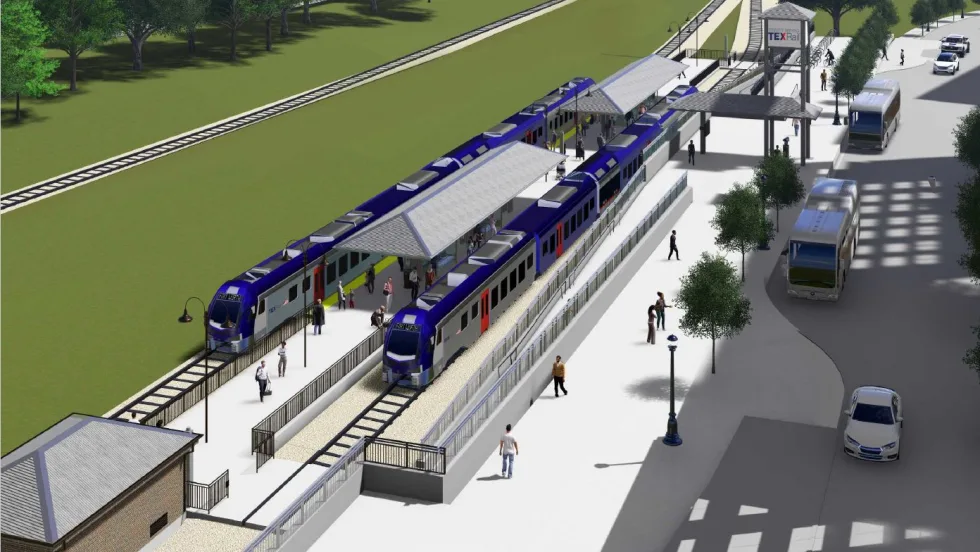
Trinity Metro Breaks Ground on $270M TEXRail Extension
The 2.1-mile extension will connect Fort Worth’s Medical District and Near Southside to downtown, surrounding communities, and Dallas-Fort Worth International Airport.
Read More →
Bringing Austin’s First Light Rail System to Life
Austin Transit Partnership CEO Greg Canally discusses the city's nearly 10-mile light rail project, its collaborative approach to project delivery, the importance of community engagement, and the milestones ahead as construction approaches in 2027.
Read More →
Metra Draft Plan Outlines Costs, Service Improvements for Regional Rail
The Systemwide Network Plan identifies infrastructure needs and potential investments to expand all-day, bidirectional rail service across the Chicago region.
Read More →
Amtrak Completes First Street Tunnel Upgrades, Restores Service
The nine-day construction project included replacing aging track infrastructure and modernizing switch systems near Washington Union Station.
Read More →
FRA Announces $2.3B for Passenger, Freight Rail Projects Nationwide
The CRISI Grant Program funding will support rail infrastructure improvements, safety upgrades, and projects aimed at improving freight and passenger rail service across 45 states and Washington, D.C.
Read More →
Caltrain’s Electrification Drives a New Era of Ridership Growth
The railroad’s shift to electric service has brought more frequent trains, stronger customer satisfaction, and increased ridership, earning it APTA’s Outstanding Public Transportation System award.
Read More →
FTA Advances $164M Broward County Commuter Rail Project
The proposed 10.5-mile commuter rail extension would connect Fort Lauderdale and Aventura, expanding passenger rail options in South Florida.
Read More →
New York MTA Launches Historic $1.9B Signal, Track Modernization Project
Funded in part by congestion pricing revenue, the project will replace nearly century-old signals along the A and C lines in Brooklyn and Queens.
Read More →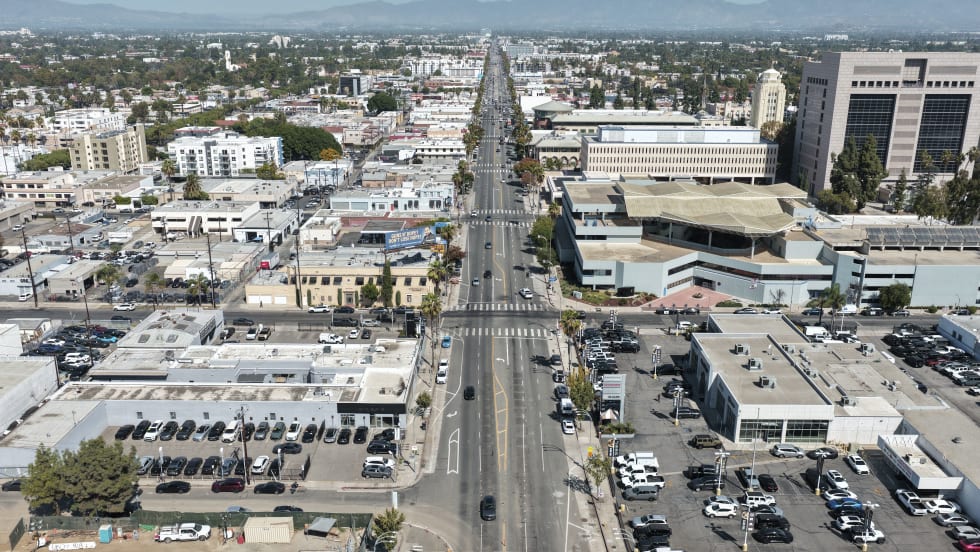
LA Metro Breaks Ground on East San Fernando Valley Light Rail Project
The 6.7-mile line will add 11 stations along Van Nuys Boulevard, expand access to jobs and regional transit connections, and support Metro’s broader efforts to improve mobility as rail ridership grows.
Read More →
CSA Group Releases Climate Resilience Standard for Transit, Passenger Rail
Developed with support from the Standards Council of Canada, CSA D700 guides assessing climate-related risks and planning adaptation measures for transit and passenger rail systems.
Read More →