



Cleveland RTA Partners for Initiative to Help the Homeless during COVID-19
The goal was not only to help relocate those in need, but to also assist them in accessing services to meet the needs of those with mental health concerns and the homeless during the pandemic.
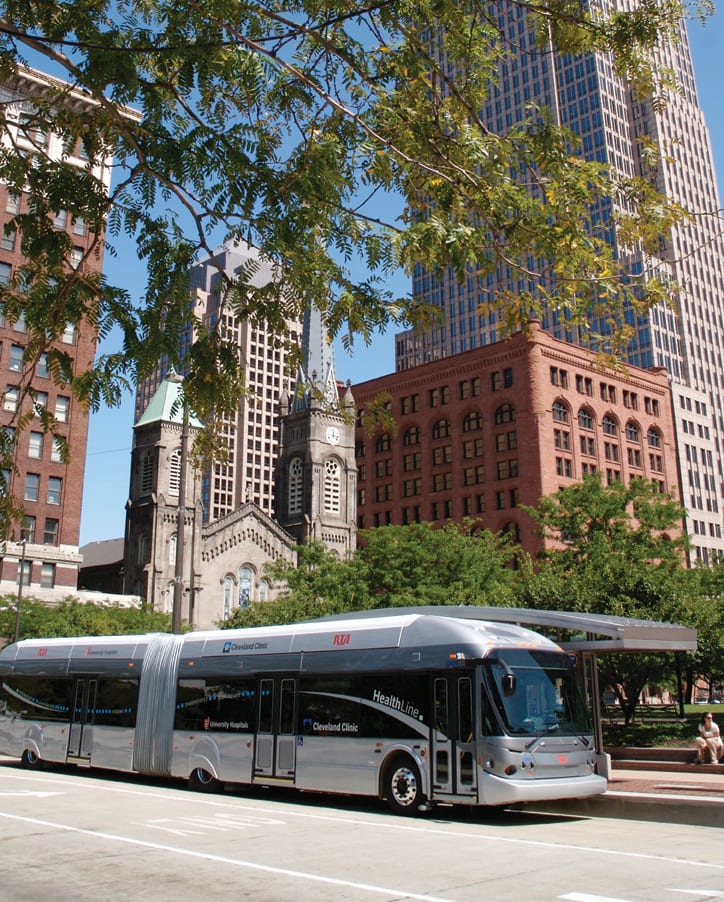
RTA’s operators and Transit Police working collaboratively with local social service agencies has proven to be effective not only in reducing risks associated with COVID-19, but also in helping the homeless to obtain assistance that in many cases has proven to be life-saving.
GCRTA
When COVID-19 hit in late March, many Greater Cleveland shelters, churches, and libraries that the homeless visit began closing, leaving the homeless with no place to go. As a result, many of the homeless began using Greater Cleveland Regional Transit Authority (RTA) buses, trains, and stations as their place of shelter. This created difficulties for RTA in its mandate to provide only essential trips and to do so in a manner that complies with state and federal guidelines, promoting and protecting the health of its riders and operators.
To address this problem, RTA formed a collaboration with social service agencies including FrontLine Service and the Northeast Ohio Coalition for the Homeless (NEOCH). The goal was not only to help relocate those in need, but to also assist them in accessing services to meet the needs of those with mental health concerns and the homeless during the pandemic. NEOCH is a non-profit coalition of service providers that works to find solutions for the homeless. FrontLine Service also provides a comprehensive continuum of care for the homeless.
“Such collaborative efforts are ensuring that the homeless are not just finding shelter, but they are being connected to the social services necessary for their physical and mental well-being,” said Dr. Floun’say Caver, COO of the RTA.
Within a two-week period, Transit Police, along with the help of bus and/or rail operators, identified the rapid transit stations, which were experiencing the highest volume of homeless and the approximate time of their presence on the system. This resulted in NEOCH sending outreach workers to those locations and successfully interacting with and providing services to address their needs and assist in relocating these individuals.
RTA’s operators and Transit Police working collaboratively with local social service agencies has proven to be effective not only in reducing risks associated with COVID-19, but also in helping the homeless to obtain assistance that in many cases has proven to be life-saving.
“I’m proud of the efforts of Transit Police and the social service agencies working together to create a solution during the pandemic. Importantly, it seems we’ve found a successful strategy that we can also implement in the months and years ahead,” Caver said.
More Security and Safety

Transit Agencies Highlight Safety Gains at National Summit
Leaders from 15 major transit systems shared crime-reduction results and safety initiatives while discussing the role of continued federal support.
Read More →
DART Launches Major Security, Fare Enforcement Initiative
The 90-day demonstration will deploy coordinated security teams at five light rail stations while testing controlled access and gathering data to guide future investments.
Read More →
RTD Launches NextRide App to Consolidate Trip Planning, Fares, Security Reporting
The app expands on RTD’s existing NextRide web application and allows customers to view real-time vehicle locations and service alerts, purchase and store digital fares, and access customer support.
Read More →
TAPTCO Updates OSHA Compliance Training for Transit Maintenance Operations
The revamped program addresses 26 OSHA standards for maintenance facilities, with TAPTCO pointing to training, documentation, and everyday shop hazards as continuing challenges for transit operations.
Read More →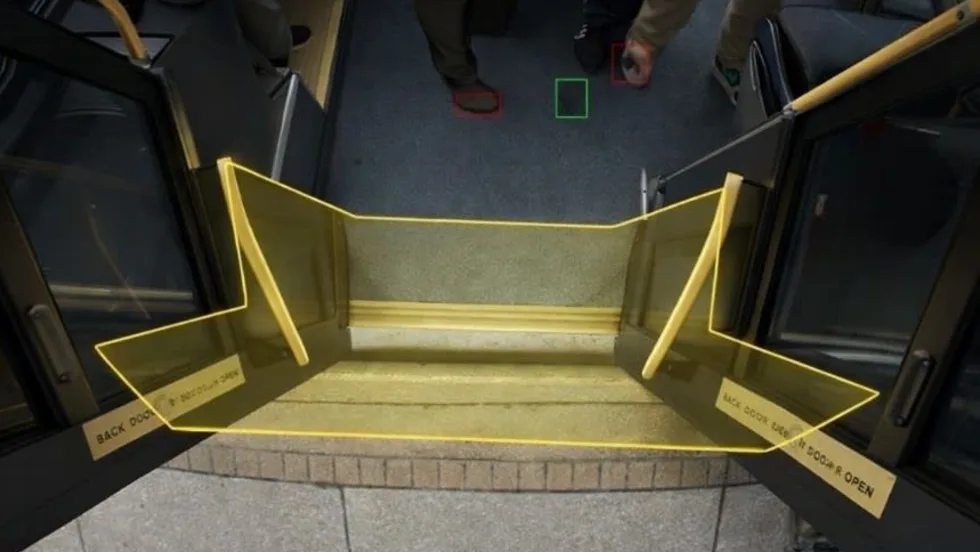
How VaporVision Adds Value to Transit Door Systems
Wabtec engineers explain how the system improves doorway detection, strengthens diagnostics and gives transit agencies and OEMs greater operating flexibility.
Read More →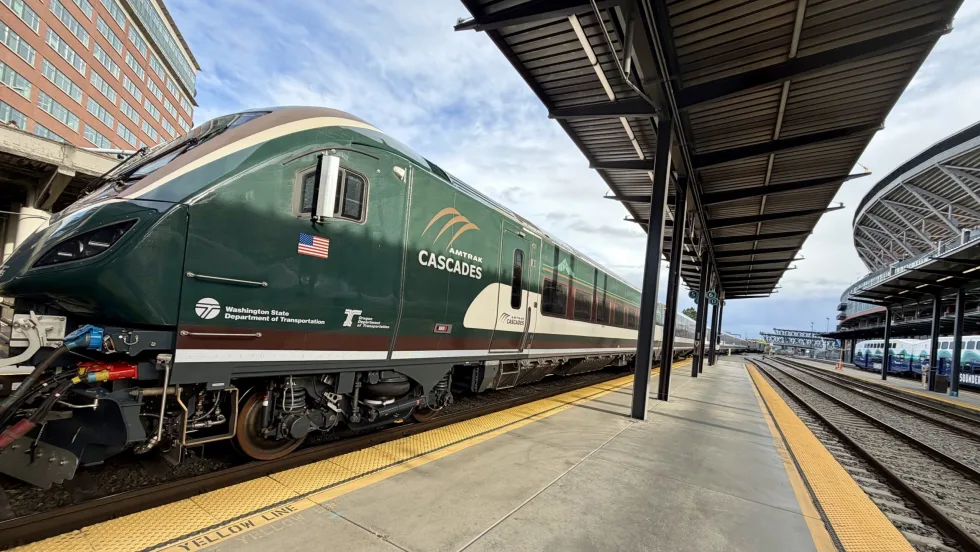
FRA Announces $5.3B in Rail Investments, Including $2B for Amtrak
Funding will support grade-crossing improvements, infrastructure upgrades, and new Amtrak equipment in 23 states.
Read More →
Chicago, Maryland Expand Non-Law-Enforcement Safety, Rider Support
The CTA and MTA are launching new programs aimed at de-escalation, crisis response, rider assistance, and greater transparency.
Read More →
LA Metro, City of West Hollywood, and Partners Advance Smarter Bus Lane Enforcement
The award-winning partnership combines AI-powered detection with human oversight to improve bus reliability, accessibility, and enforcement efficiency.
Read More →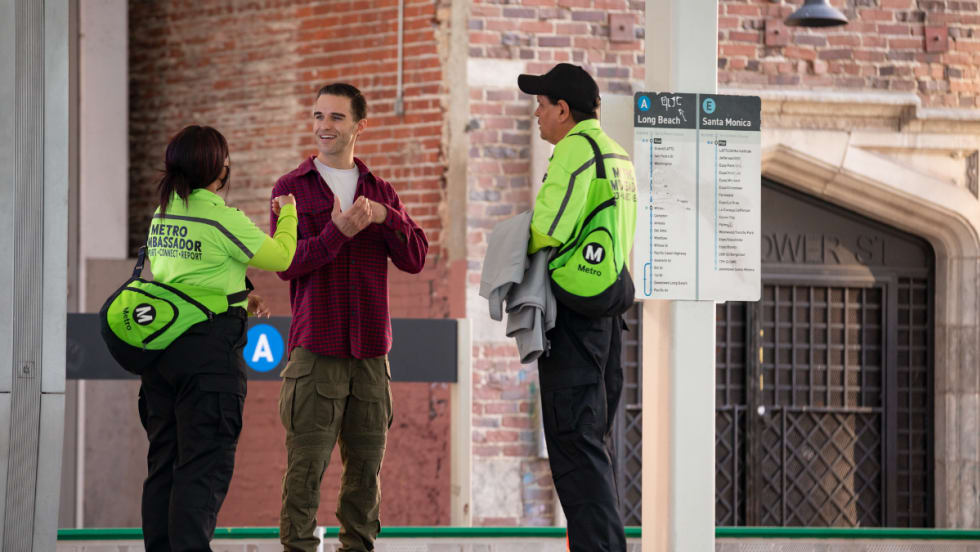
LA Metro Reports 57% Decline in Homelessness on Transit System Since 2024
The agency's latest homelessness count offers new data on how care-based services and cross-sector partnerships can complement traditional transit security strategies.
Read More →
FTA Launches 'Transit Moves America' Dashboard to Highlight Agency Safety and Performance
The online dashboard transforms National Transit Database information into a public-facing resource that allows users to compare transit agencies on key operational and safety metrics.
Read More →