



CTA Moves Ahead with TOD Plan as RPM Phase One Wraps
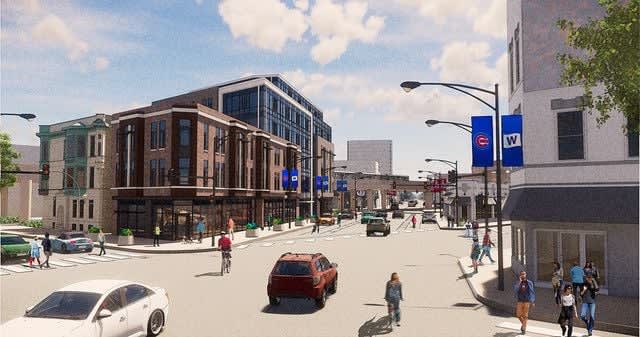
The redevelopment of these parcels is part of the Transit-Oriented Development Plan, created in 2018 by CTA in partnership with the community, following extensive meetings and engagement with residents and other community stakeholders.

CTA is completing Phase One of the multi-phase RPM Program, which is rebuilding the 9.6-mile stretch of Red and Purple Line track structure and stations on the North Side that were a century old.
Credit: Rendering via CTA
As part of the Chicago Transit Authority’s (CTA) commitment to invest in the transit and the communities it serves, the agency is accepting proposals for the sale of land in the Lakeview neighborhood as the Red and Purple Modernization (RPM) Phase One Project nears completion.
CTA has issued three Requests for Proposals to redevelop three parcels of land in the Lakeview neighborhood that the CTA acquired to build new track structures and stage construction during the RPM project.
The construction included a new rail bypass north of the Belmont station, replacing a crowded, 107-year-old rail junction where the Red, Purple, and Brown lines intersect. The project also rebuilt the elevated track structures on the Red and Purple lines between the Belmont and Addison stations, which were more than a century old.
Now that construction in this area is substantially complete, CTA is following through on its commitment to pursue development proposals for the land.
"After successfully delivering modern stations and improved service for CTA riders, we are honoring our promise to the Lakeview community to redevelop land used during construction," said CTA Acting President Nora Leerhsen. "We are excited to work with the community and serve as a catalyst for development that will enhance the vibrant Lakeview neighborhood."
CTA’s TOD Plan
The redevelopment of these parcels is part of the Transit-Oriented Development (TOD) Plan, created in 2018 by CTA in partnership with the community, following extensive meetings and engagement with residents and other community stakeholders.
The Plan established a shared vision and redevelopment strategies to bring lasting benefits to residents, businesses, and transit riders.
The guiding principles of the Plan, based on the community’s vision, include:
Promote cultural, generational, economic, and family composition diversity.
Seek commercial, retail, and civic uses that encourage vitality.
Capitalize on transit proximity.
Focus on the quality and scale of future neighborhood development.
Pursue environmentally sustainable and economically viable development.
Improve the public realm.
Seek to provide affordable housing options.
Proposals are due by Feb. 25, 2026.
CTA in 2018 also published a separate Transit Oriented Development Plan for parcels in the RPM Project’s Lawrence to Bryn Mawr Modernization area in the Uptown and Edgewater communities. CTA expects to issue RFPs for those parcels in 2026.
RPM Phase One
RPM Phase One included three major components:
Reconstruction of the Lawrence, Argyle, Berwyn, and Bryn Mawr Red Line stations into larger, fully accessible stations, and replacement of track structure totaling six track-miles.
Construction of a Red-Purple Bypass north of Belmont station and the reconstruction of Red and Purple Line track structure between Belmont and Newport/Cornelia.
Installation of a new signal system on 23 track miles between Howard and Belmont, similar to roadway traffic signals, to improve train flow and service reliability.
The Red Line and RPM
The CTA’s Red Line is the CTA’s busiest rail line, providing nearly 40 million rides in 2024.
CTA is completing Phase One of the multi-phase RPM Program, which is rebuilding the 9.6-mile stretch of Red and Purple Line track structure and stations on the North Side that were a century old.
RPM replaces aging infrastructure, increases CTA’s capacity to expand train service as needed, and improves customer service with more reliable, comfortable service.
More Rail

New York MTA Advances Final Contract for Second Avenue Subway Expansion
Contract Four is the largest in the Second Avenue Subway Phase 2 project and includes construction of station infrastructure, tracks, and signals for the subway expansion, MTA officials said. Work on Contract Four will begin in 2027.
Read More →
San Diego MTS Breaks Monthly Trolley Ridership Record
Agency officials said July’s ridership indicates MTS’s continued recovery from the pandemic.
Read More →
Report Examines NJ TRANSIT Reliability, Funding Challenges
The Garden State Initiative analysis examines the roles of Amtrak infrastructure, fleet management, and agency operations while recommending a more performance-based approach to improving reliability.
Read More →
Stadler, CapMetro Sign Long-Term Rail Fleet Support Agreement
Beginning in 2027, Stadler will provide on-site technical expertise, spare parts support, training, and obsolescence management to help extend the reliability and longevity of CapMetro’s GTW fleet.
Read More →
Biz Briefs: Alstom Lands Canadian Contract, LYT to Supply California TSP, and More
In METRO's latest installment, we take a look at recent news from Complete Coach Works, Beep, FlixBus, and more partnerships making headlines across the transportation sector.
Read More →
CATS Gold Line Marks 5 Years of Service, 2.8M Passenger Trips
With a six-mile expansion planned, the Charlotte streetcar is positioned to connect more neighborhoods and major transit hubs across the region.
Read More →
Why Simulating Pedestrian Movement Has Become Essential for Modern Rail Stations
Pedestrian microsimulation is helping rail planners identify bottlenecks, test station designs, and prepare complex transit hubs for growing passenger volumes.
Read More →
Amtrak Begins Major Construction at New York’s Sunnyside Yard
The new maintenance facility will support Amtrak’s Airo trainsets while improving maintenance efficiency and turnaround times in New York.
Read More →
Chicago Leaders Unveil Plans for O’Hare Airport Express Train
The privately developed project would offer a 15-minute trip between downtown and O’Hare’s Terminal 2, with trains operating every 15 minutes on a dedicated track. The service would use battery-electric trains and three existing freight rail rights-of-way.
Read More →
OCTA Maps Out 30-Year Strategy to Protect Coastal Rail Corridor
The draft feasibility report identifies strategies to protect the coastal rail line for decades as the agency continues near-term stabilization and sand placement efforts.
Read More →